

> At a Glance
> – Power outages can be caused by storms, heat waves, wildfires, or a delivery driver.
> – Preparedness involves an emergency kit with food, water, cash, and backup power.
> – Experts advise notifying utilities about medical devices and having evacuation plans.
> – Why it matters: If you’re unprepared, a blackout can turn from inconvenience to a life-threatening situation.
When the lights go out, the danger can be more than just a loss of comfort. Power outages, whether from natural disasters or accidental damage, can become deadly if you’re not ready. This guide pulls expert advice on how to stay safe and what to do before, during, and after a blackout.
Before the Blackout
Preparation starts with knowing your needs and notifying your utility. If you rely on medical devices, let your provider know ahead of time.
Michael Coe said:
> “When thinking about preparedness, I always think about the old proverb of, ‘An ounce of prevention is worth a pound of cure.'”
Next, decide whether staying home or evacuating is safest.
Denise Everhart added:
> “Sometimes the best move is to evacuate if an outage would make things unsafe.”
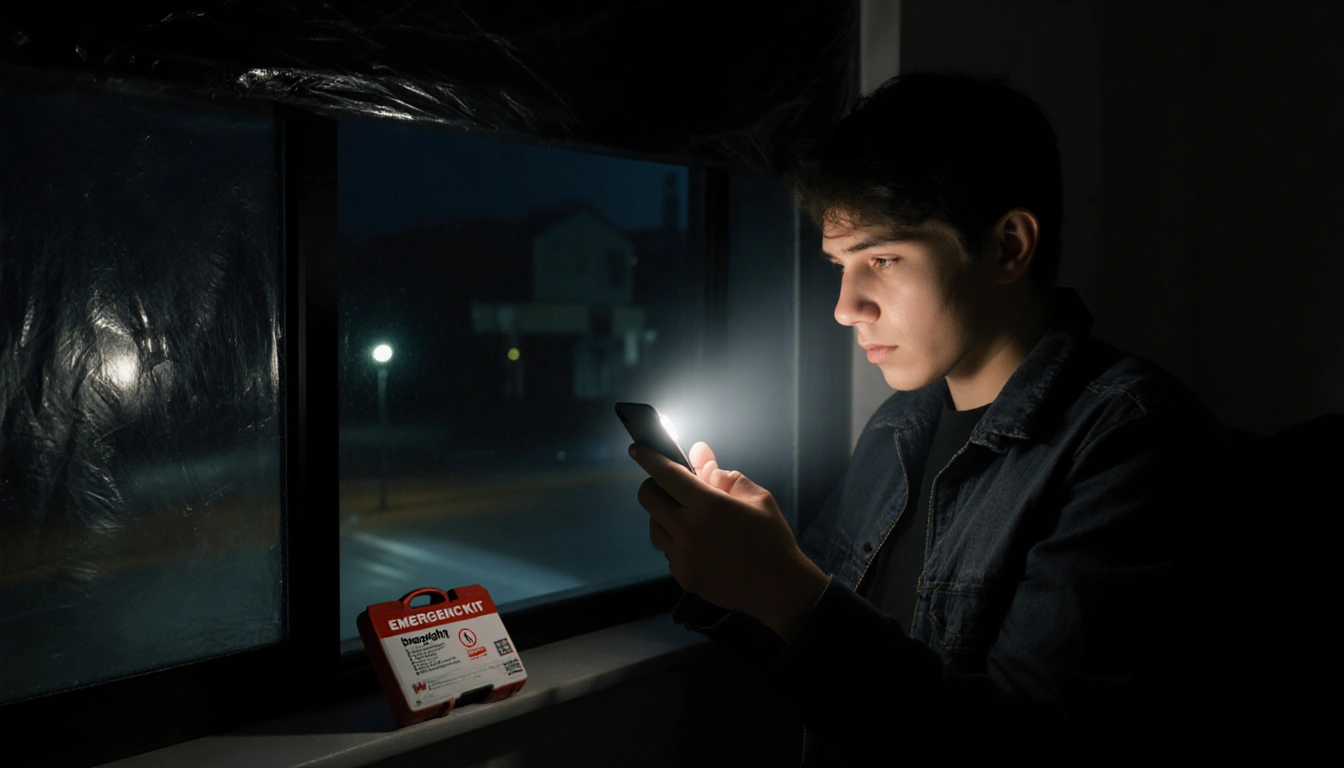
Finally, assemble an emergency kit tailored to your family.
- Two weeks of food, water, pet supplies, and medicine
- Cash for a week
- Flashlights, glow sticks, or battery lanterns
- Backup phone batteries and charger cords
- Blankets in cold weather or extra water in hot weather
- Phone numbers written down
- Solar-powered or hand-crank radio
When the Power Goes Out
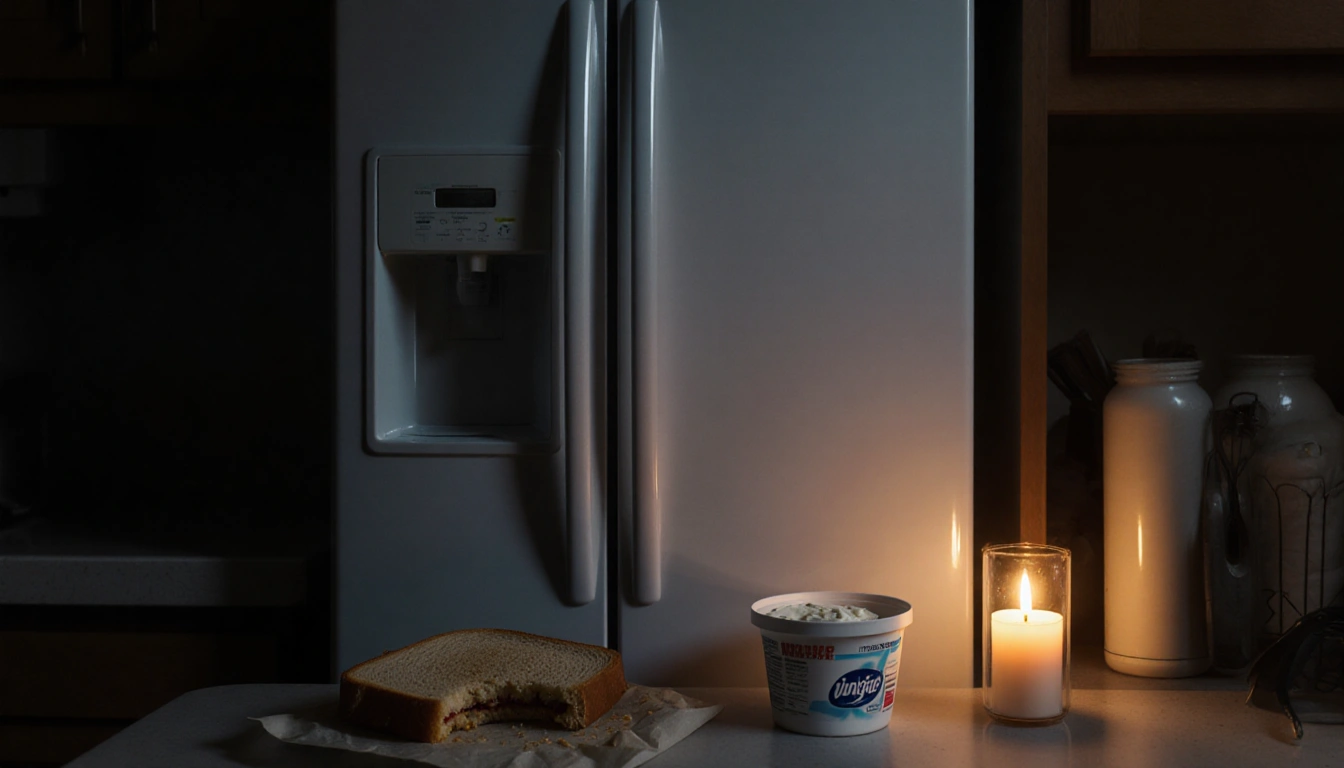
Once the outage hits, keep the fridge closed to preserve food.
Michael Coe noted:
> “Food can last up to four hours in a refrigerator and up to 48 hours in a freezer, but those numbers go down if the door keeps opening to let warmer air in.”
Check water safety and consider backup heating. If you rely on electric heat and well water, you may have only a single toilet flush left.
| Item | Quantity | Reason |
|---|---|---|
| Food & Water | 2 weeks | Sustenance during outage |
| Cash | 1 week | ATMs may be down |
| Flashlights | 2 | Light when power lost |
| Phone chargers | 2 | Keep devices charged |
| Radio | 1 | Receive alerts if cell towers fail |
The table lists key items to keep in your kit.
Denise Everhart warned:
> “Don’t leave a space heater or candles unattended because that can cause a house fire, and don’t bring a generator inside because it can cause carbon monoxide poisoning.”
Key Takeaways
- Have a kit, a plan, and a way to get notified.
- Keep backup power and water supplies ready.
- Notify utilities about medical device needs before a blackout.
Stay prepared, stay safe, and remember that a little foresight can make the difference between a calm night and a crisis.