

At a Glance
- Quadrantids peak Jan 2-3 with up to 125 meteors per hour.
- Shortest peak among major showers, lasting only 6 hours.
- Light pollution from the super-Wolf Moon limits bright displays to about 10 per hour.
- Why it matters: Winter skywatchers may miss the brightest meteors, but the event still offers a rare, high-rate display.
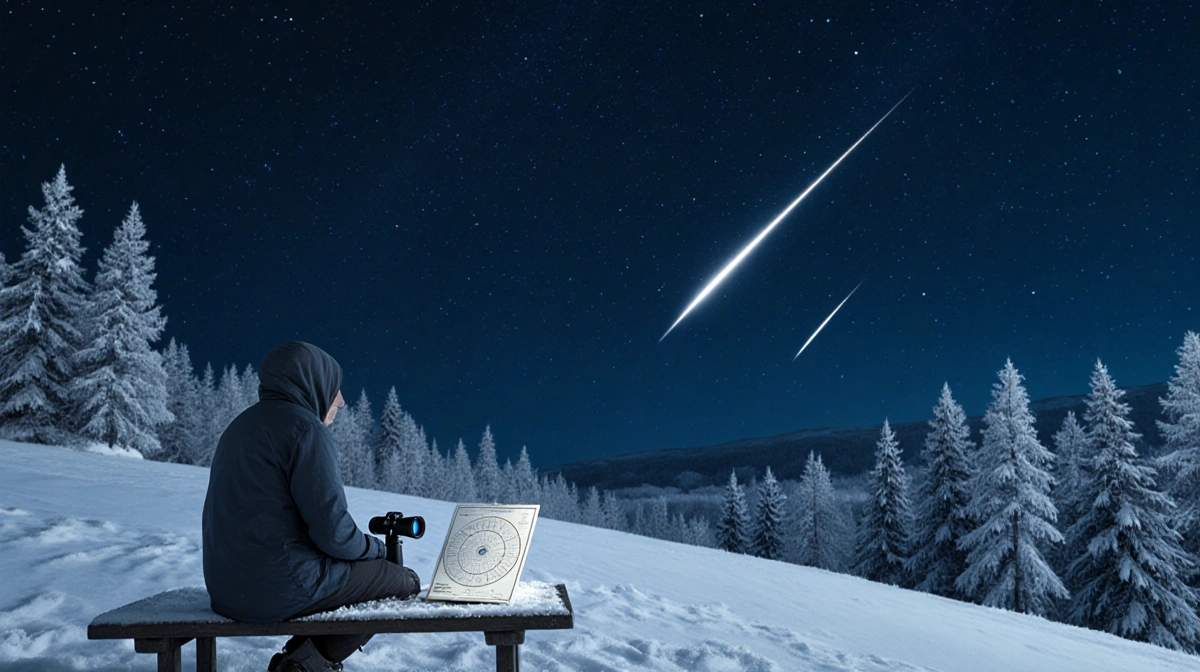
The Quadrantids meteor shower, one of the most active in 2026, is set to hit its peak on Jan 3, offering up to 125 meteors per hour. While the event rivals the Perseids in intensity, its brief six-hour window and the bright supermoon make it a challenging but exciting viewing opportunity.
Peak Timing and Activity
The shower opens on Dec 28 and runs through Jan 12, according to the American Meteor Society. The AMS and NASA both predict the peak will start around 4 p.m. ET on Jan 2 and last until the early hours of Jan 3, delivering up to 125 meteors per hour. Because the peak is so short, the total number of meteors seen will be lower than that of longer showers like the Perseids.
- Dec 28: start
- Jan 3: peak
- Jan 12: end
Origin and Constellations
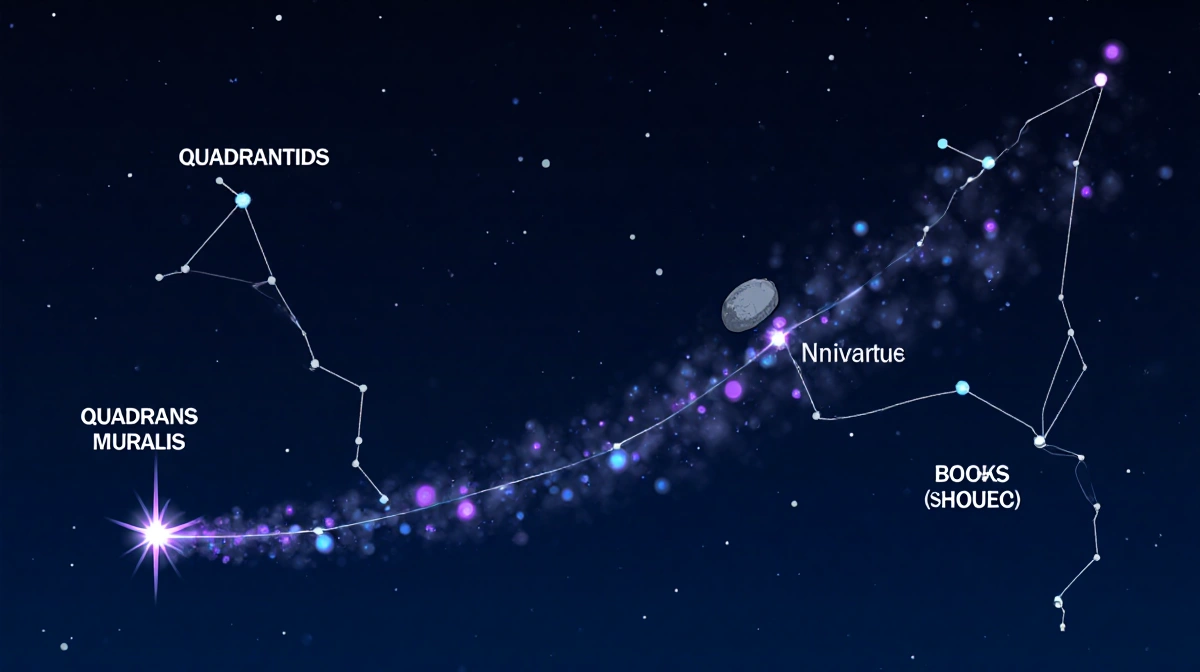
The meteors come from the debris trail of the near-Earth asteroid 2003 EH1, which once was a comet but has lost its ice over countless orbits every 5.5 years. Earth crosses the trail each January, producing the Quadrantids. The radiant lies near the former constellation Quadrans Muralis, so stargazers should look toward Draco and Bootes for the best view.
- Draco
- Bootes
- Quadrans Muralis
Viewing Tips
Find a dark site away from city lights to reduce the glare of the super-Wolf Moon. Dress warmly and avoid alcohol, as it can affect body temperature. No binoculars or telescopes are needed; the meteors will be visible to the naked eye.
- Dark location
- Warm clothing
- No alcohol
- No telescopes
What to Expect
While the peak can reach over 100 meteors per hour, NASA and AMS estimate that only about 10 bright meteors will be visible due to moonlight.
| Metric | Peak Rate | Bright Rate |
|---|---|---|
| Total meteors per hour | 125 | – |
| Bright meteors per hour | – | 10 |
Key Takeaways
- Peak occurs Jan 2-3 with up to 125 meteors per hour.
- Bright displays limited to about 10 per hour because of the super-Wolf Moon.
- The peak lasts only 6 hours, so timing and location are critical.
Even with the bright moon, the Quadrantids offer a chance to witness one of the most intense meteor displays of the year, but timing and location are key to seeing the best show.