

At a Glance
- The Sony RX100 VII tops pocket zooms with a 24-200 mm lens and 4K video
- Ricoh’s new GR IV squeezes a 25.7 MP APS-C sensor into a true pants-pocket body
- Sony’s A7C R delivers 61 MP full-frame detail in one of the smallest mirrorless bodies sold
- Why it matters: Pick the right model and you’ll shoot all day without the bulk that ruins vacations
The best travel camera is the one you’ll actually carry. After eight years on the road and almost a decade of testing gear, Caleb R. Anderson ranks the strongest options-from pocketable point-and-shoots to compact full-frame bodies-so you can decide what deserves space in your bag.
Pocket Powerhouses
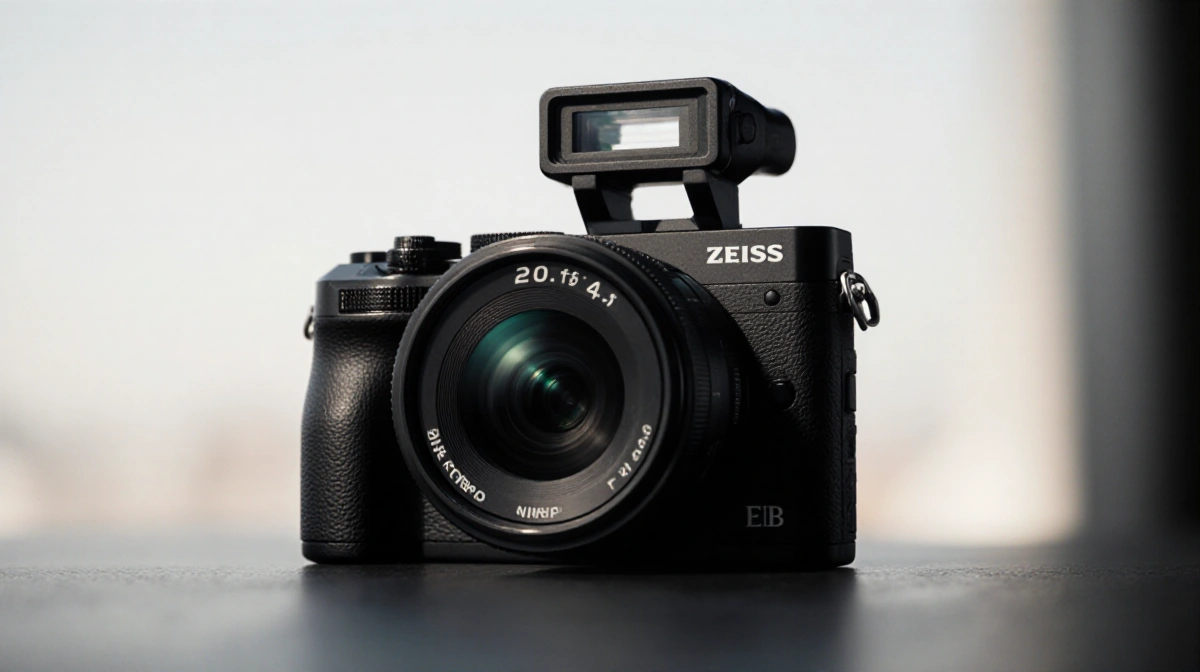
Sony RX100 VII
- 1-inch 20.1 MP sensor
- Zeiss 24-200 mm f/2.8-4.5 zoom
- Pop-up EVF and 4K/30 fps video
- Tracking autofocus for fast scenes
Caleb R. Anderson calls it the safest all-around choice: small enough for a jacket, long enough zoom for almost anything.
Ricoh GR IV
- 25.7 MP APS-C sensor
- Fixed 28 mm f/2.8 lens
- Weather-sealed body
- No articulating screen, 1080p video only
The IV fixes the dust problem that plagued earlier models and stays genuinely pocket-size. Purists love its JPEG color; video shooters should look elsewhere.
Stepping Up to Bigger Sensors
Sony A7C R
- 61 MP full-frame sensor, 14.7 EV dynamic range
- 4K/60 fps (1.2× crop) or oversampled 4K/30 fps
- 10-bit 4:2 color, 16-bit RAW external output
- Cramped 2.36 M-dot EVF
Pair it with the FE 24-105 mm f/4 G for versatility or the 40 mm f/2.5 G for a tiny kit. Want stronger video? The 33 MP A7C II costs less and shoots better 4K.
Leica Q3
- 60 MP full-frame with 15-stop dynamic range
- Fixed 28 mm f/1.7 Summilux lens
- 5.76 M-dot OLED EVF
- Phase/contrast AF, macro mode
Stunning files and classic color, but the single focal length and price keep it niche.
Fujifilm X100VI
- 40 MP APS-C sensor
- 35 mm-equivalent f/2 lens
- Six-stop IBIS, internal ND filter
- 6.2K/30 fps or 4K/60 fps video
Too chunky for most jeans, yet the hybrid viewfinder and film simulations make it a stylish walk-around camera. Need interchangeable glass? The new X-E5 plus 23 mm and 35 mm primes replicate the kit.
Action, 360, and Drone Add-Ons
GoPro Hero 13 Black
- Interchangeable lens system
- Ultra Wide Lens option
- Waterproof without housing
Pack the Hero and an extra lens for biking, surfing, or snorkeling where phones fear to go.
GoPro Max 2 360 Camera
- Dual 14 mm lenses, 1/2.3-inch sensors
- 10-bit “True 8K” video
- Twist-off lens covers for travel fixes
- Bluetooth mic support for better audio
Larger sensors than rivals plus easy lens swaps make it News Of Fort Worth‘s pick for 360 footage.
DJI Mini 4 Pro
- Weighs <250 g, no registration in most regions
- 48 MP 1/1.3-inch sensor, 4K/60 fps, 4K/100 fps slow-mo
- 10-bit D-Log M, HLG, omnidirectional obstacle sensors
- 34-minute flight time
Buy the Fly More bundle for spare batteries. As of December 23, 2025, DJI faces a U.S. sales halt; firmware and parts could become scarce. If support worries you, the Hover Air X1 Pro Max is a smaller, lighter alternative with automated flight modes.
Accessories That Save Trips
- Extra batteries and overnight charger
- Fast SD cards: Lexar Professional 2000x for stills, Samsung Pro Plus microSD for action cams
- Lightweight tripod: Peak Design carbon fiber or Sirui carbon option
- Weatherproof bag sized to your kit
What Makes a Great Travel Camera?
- Size: You’ll skip the shot if the rig is a burden
- Image quality: Balance sensor, lens, and processor
- JPEG engine: Straight-from-camera color saves editing time
- Autofocus: Fast systems catch kids, wildlife, fleeting moments
- Stabilization: IBIS plus usable ISO 4000+ for handheld night scenes
- Video: Aim for 4K/30 fps minimum if you clip
- Zoom or focal length: Match range to your style-versatile zoom or single prime
- Weather sealing: Travel rarely waits for blue skies
## Why Not Just Use a Phone?
Modern flagships shoot great images, yet a viewfinder and physical controls help many photographers compose better. If you’re reading this, you probably want a dedicated device anyway.
Field-Tested Kit List
Caleb R. Anderson still travels with:
- Sony A7R II body
- Voigtländer Nokton 40 mm f/1.2 (75% of shots)
- Zeiss Sonnar 55 mm f/1.8 for portraits (used market ~$400)
- Sony FE PZ 16-35 mm f/4 G for video and ultrawide stills
- GoPro Hero 13 Black with Ultra Wide Lens for water and bike work
- Peak Design Travel Tripod, ND filters, and a small Godox flash when space allows
Key Takeaways
- Match camera size to your willingness to carry; the best spec sheet is worthless if you leave it at the hotel
- One-inch sensor compacts like the RX100 VII cover most travelers’ needs in pocket form
- APS-C fixed-lens models (GR IV, X100VI) give pro-level JPEGs with minimal bulk
- Full-frame mirrorless (A7C R, Q3) offers ultimate image quality in still-portable bodies-just mind lens choice
- Action, 360, and drone extras expand creative options without huge baggage penalties