


At a Glance
- Google DeepMind is hiring the CEO and several top engineers from Hume AI.
- The move is part of a major licensing agreement announced on Jan 22, 2026.
- Hume AI specializes in emotionally intelligent voice interfaces.
- Why it matters: It signals a push toward advanced voice AI and deep integration of emotional intelligence in mainstream platforms.
Google DeepMind has announced that it will hire Alan Cowen, the chief executive officer of Hume AI, along with several senior engineers from the startup. The transition is tied to a new licensing agreement that was disclosed on Jan 22, 2026. Hume AI is known for developing voice interfaces that can recognize and respond to emotional cues.
Background: Hume AI
Hume AI began as a startup focused on creating voice systems that understand human emotions. Its technology allows digital assistants to detect tone, stress, and other affective signals in real-time conversations. The company has attracted attention from major players in artificial intelligence who are looking to add emotional intelligence to their products.
- Founding team: led by Alan Cowen.
- Core product: voice interface that adapts to user emotions.
- Funding: Series A and B rounds from venture capital firms.
- Recent milestones: partnership with a large telecom provider.
Background: Google DeepMind
Google DeepMind is a leading artificial-intelligence research organization that has developed state-of-the-art models in natural language processing, reinforcement learning, and more. Its work is integral to many Google services, including search, advertising, and cloud computing.
- Founded: 2010.
- Acquisition by Google: 2015.
- Key achievements: AlphaGo, AlphaFold, and large-scale language models.
- Strategic focus: integrating AI into consumer products and services.
The Licensing Deal
The licensing agreement involves more than just a transfer of personnel. It also grants Google DeepMind exclusive rights to use Hume AI’s emotional-intelligence algorithms in its own products. The deal is described as a “major licensing agreement,” indicating significant financial and strategic commitments.
| Date | Event |
|---|---|
| Jan 22, 2026 | Announcement of the hiring and licensing deal |
| Jan 23, 2026 | Cowen and engineers begin transition to DeepMind |
Key Components
- Personnel transfer: CEO Alan Cowen and several engineers.
- Technology license: DeepMind gains rights to Hume AI’s core algorithms.
- Strategic alignment: Both companies aim to embed emotional intelligence in AI assistants.
Implications for Voice AI
The acquisition of Hume AI’s leadership and talent is expected to accelerate the integration of emotional awareness into voice-activated assistants. By combining DeepMind’s scale with Hume AI’s niche expertise, the resulting products may offer more natural, empathetic interactions.
- User experience: Potential for more nuanced responses.
- Competitive edge: Differentiation from other voice platforms.
- Research opportunities: Cross-company collaboration on affective computing.
Corporate Strategy
For Google DeepMind, this move reflects a broader strategy to enhance human-computer interaction. By embedding emotion recognition, the organization seeks to create AI that feels more relatable and trustworthy. The partnership also signals a willingness to invest heavily in emerging AI sub-fields.
- Talent acquisition: Securing top experts in a niche domain.
- Technology diversification: Expanding beyond traditional NLP.
- Market positioning: Positioning DeepMind as a leader in emotionally intelligent AI.
The Photo
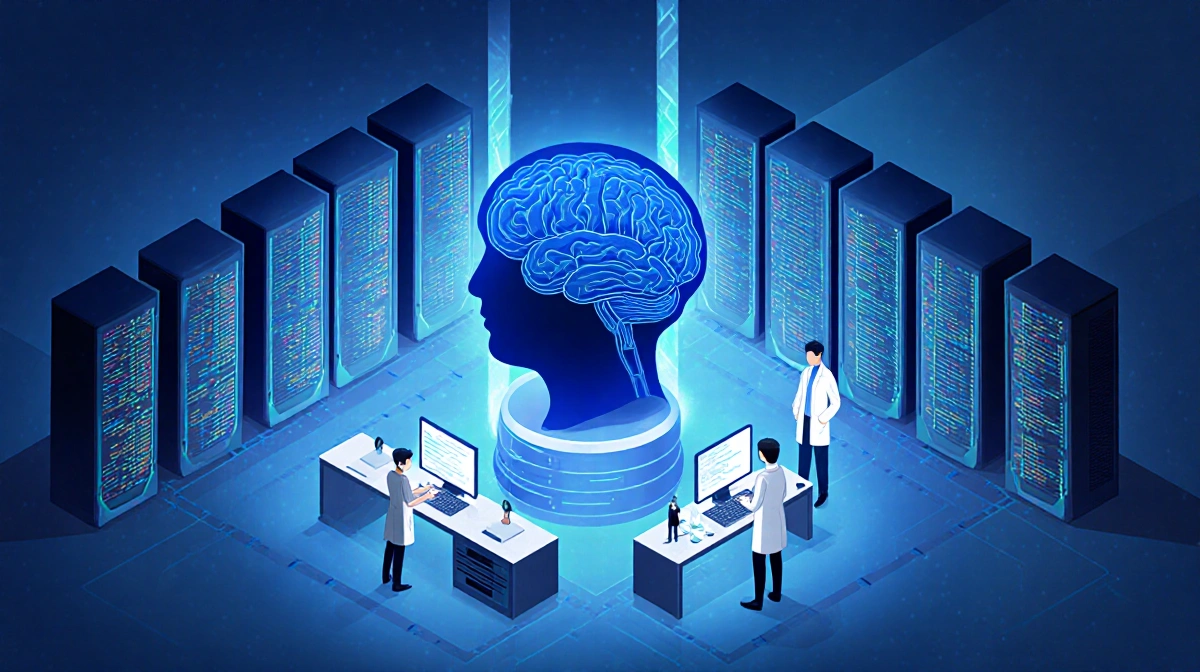
A photograph accompanies the announcement, credited to Kevin Carter/Getty Images. The image depicts a group of engineers in a collaborative setting, underscoring the collaborative nature of the transition.
Written by Ryan J. Thompson for News Of Fort Worth
Conclusion
The hiring of Hume AI’s CEO and engineers by Google DeepMind marks a significant moment in the evolution of voice AI. By combining DeepMind’s research prowess with Hume AI’s emotional-intelligence focus, the partnership is poised to shape the next generation of conversational assistants. The deal’s timing and scale suggest that both companies are positioning themselves for a future where AI can not only understand words but also the feelings behind them.
—
This article was originally reported by Ryan J. Thompson for News Of Fort Worth.