
At a Glance
| Key Takeaway | Detail |
|---|---|
| Google’s strategy | Treats schools as a pipeline for lifelong customers |
| YouTube safety | Company acknowledges it can be unsafe and distracting |
| Legal backdrop | Families, districts and state attorneys sue tech giants |
| Expert reaction | Education advocates warn about hidden motives |
Google’s internal documents show the company views its work with schools as a way to turn children into lifelong customers, while at the same time acknowledging research that YouTube can be unsafe and distracting.
The Documents Reveal a Lifelong Customer Plan
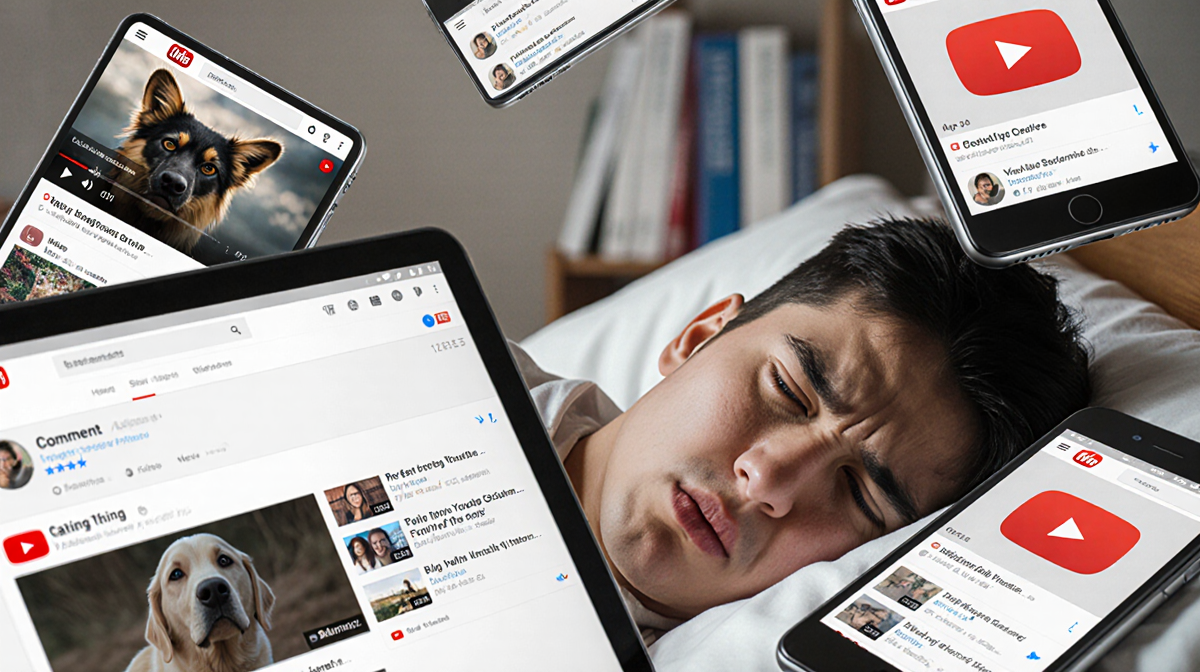
A 2018 presentation slide stated that the public sees YouTube as problematic for students because there is “No way to block unsafe content, comments, ads,” a challenge without a workable solution. A later slide updated in 2024 noted that some survey respondents blamed YouTube for keeping them awake at night and for other negative effects on well-being.
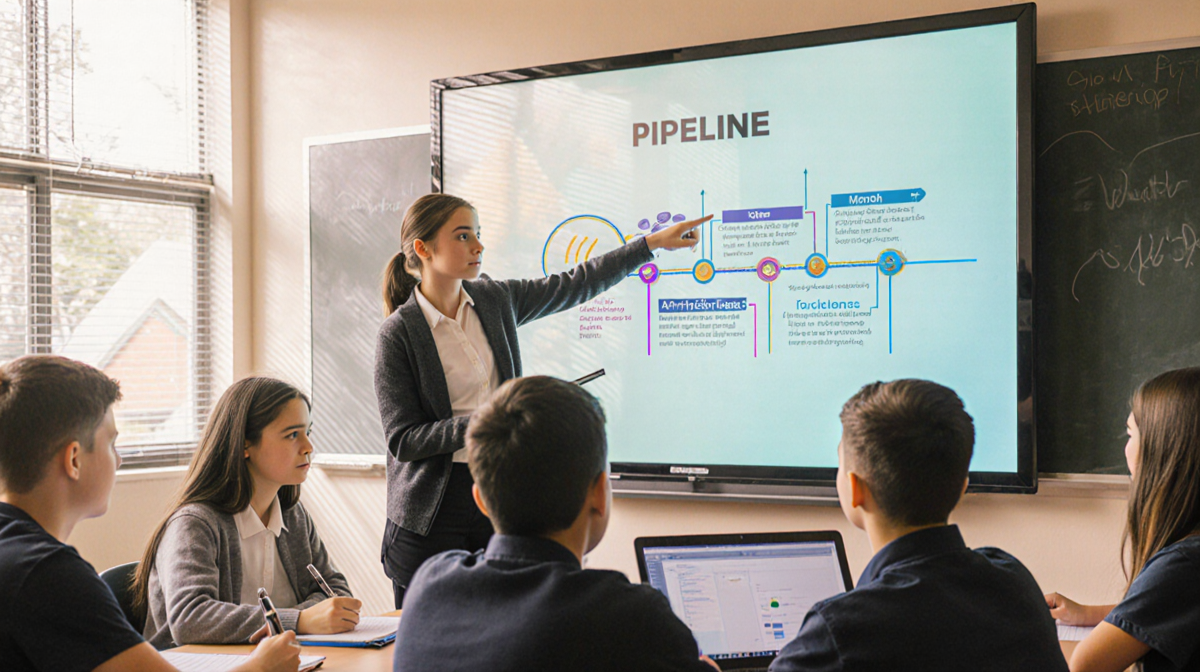
Other slides described how Google’s growing presence in schools-through Chromebooks, learning platforms and YouTube-helps the company build a Pipeline of future users. An internal November 2020 slide said acclimating children to Google’s ecosystem in school would hopefully lead them to use its products as adults: “You get that loyalty early, and potentially for life.”
An undated deck imagined a world where parents ask their children “Why aren’t you watching more YouTube?” and school administrators shift budgets from textbooks to YouTube subscriptions.
Education experts and parent advocates who are concerned about schools overusing devices for instruction said the documents shed new light, in candid detail, on the business motivations behind one of the biggest technology companies marketing its products to teachers and school administrators.
“It just proves the kind of fear that we’ve all had,” said Jared Cooney Horvath, a cognitive neuroscientist and education consultant who recently wrote a book criticizing technology in schools. “These companies speak about learning, but to them, learning is just the cover they’re using for these practices of ‘How do we get customers now’ and ‘How do we keep them for life.'”
Court Case Context
The internal Google records, which were heavily redacted, were filed by plaintiffs Tuesday in the U.S. District Court for the Northern District of California as part of a major lawsuit in which families, school districts and state attorneys general are suing Meta, ByteDance, Snap and Google. The suit claims the corporations purposely marketed addictive and damaging social media to children.
Snap settled its portion of the suit this week on undisclosed terms, while the other companies move closer to trial over whether they were obligated to warn schools of their platforms’ negative effects or to implement more restrictions for young users.
Hundreds of school districts joined the litigation, but a judge chose six last year to proceed to trial first. A Kentucky district will be the first school system to go to trial in June.
Google didn’t answer questions from News Of Fort Worth about the purpose and audience of the internal documents that were included in court filings, but Jack Malon, a Google spokesperson, said in an email that the “documents mischaracterize our work.” Malon added that while the company does not directly market YouTube to schools, “we have responded to meet the strong demand from educators for high-quality, curriculum-aligned content. Administrators maintain full control over platform usage and schools must obtain parental consent before granting access to students under 18.”
Sarah Gardner, CEO of Heat Initiative, a parent activist group critical of social media platforms, found the newly released Google files alarming. She wants schools and political leaders to put more guardrails on technology in classrooms to ensure that the products benefit students.
“These documents confirm that suspicion that there are ulterior motives to companies pushing technology into classrooms,” Gardner said. “And so we need to be asking why we’re letting them do that.”
Technology in Schools
When schools began installing bulky desktop personal computers in the 1990s, they mostly bought Apple products, taking advantage of discounts the company offered. Microsoft Windows gained ground in the 2000s, and schools shifted toward Google after it debuted the Chromebook in 2011. Google has dominated the education computer hardware market for the past decade.
Schools now account for 80% of all purchases of Chromebooks, according to market research firms. Google said in 2017 that more than half of all American public school children use Google applications and products for classwork and stated in 2021 that over 170 million students and teachers worldwide use them.
Schools also use YouTube, with varying restrictions. Some give students and teachers free rein, while others block it entirely. Teachers can embed YouTube videos in course content through Google’s specialized education platform. Google requires students to have parental permission to access YouTube on school devices.
In a March 2025 deposition partially unredacted this week, Kathryn Kurtz, global head of youth and learning at YouTube, said: “Insofar as we are looking at how teachers are engaging with YouTube content, we are trying to make it easier for them to do it.” She added that teachers wanted to be able to show YouTube video even if their school had made the determination that they wanted to block access to YouTube.
Google argued in recent court filings that YouTube can’t be that much of a problem for the school districts suing because they still use it to communicate with families and they allow students and teachers to use it on campus.
An internal Google presentation, undated, conceded that using YouTube for learning is hard because the platform is distracting and disorganized. It showed an example where YouTube recommended “Will Ferrell Hilarious Acceptance Speech” from user “cocksandballs123” to someone who had searched for content about “linear equations.”
Kurtz said in her deposition that the company had not measured the effectiveness of YouTube to improve students’ learning and did not have data to show its content boosted students’ grades, graduation rates or test scores.
Industry and Expert Reactions
The internal documents were made public several days after a U.S. Senate hearing on concerns about the overuse of technology in public schools. Horvath and three other witnesses argued that school-issued laptops and tablets can distract children and that schools too frequently use unproven digital tools when research shows analog ways of learning are more effective.
Ahead of the hearing, the two largest teachers unions, the American Library Association and 14 education trade groups, wrote a letter defending education technology and urging federal lawmakers not to restrict students’ access or screen time.
Stacy Hawthorne, board chair of the Consortium for School Networking, said: “There’s a big chasm between ‘Social media is bad for kids’ and ‘We need to pull computers out of schools,'” she said.
Justin Reich, an associate professor of digital media at MIT and the director of the university’s Teaching Systems Lab, said YouTube is caught between tailoring its product to schools and appealing to a vast global audience. “There’s no capitalist way to win by making your product less engaging,” he said.
What the Evidence Shows
The documents paint a clear picture: Google sees schools as a strategic entry point to secure lifelong customers while simultaneously acknowledging the risks of its own products. The lawsuit context underscores the broader debate over tech giants’ responsibilities in education. The reactions from experts and advocacy groups highlight the tension between technological promise and potential harm.
The court filings and public releases suggest that the conversation about technology in schools is far from settled, and the upcoming trial in June will be a key moment for determining how these companies are held accountable.
Key Takeaways
- Google’s internal slides treat schools as a pipeline for future customers.
- The company admits YouTube can be unsafe and distracting.
- Families, districts and attorneys general are suing tech giants over child harm.
- Experts warn of hidden motives behind educational tech marketing.
- The upcoming trial in June could set precedent for corporate accountability in schools.