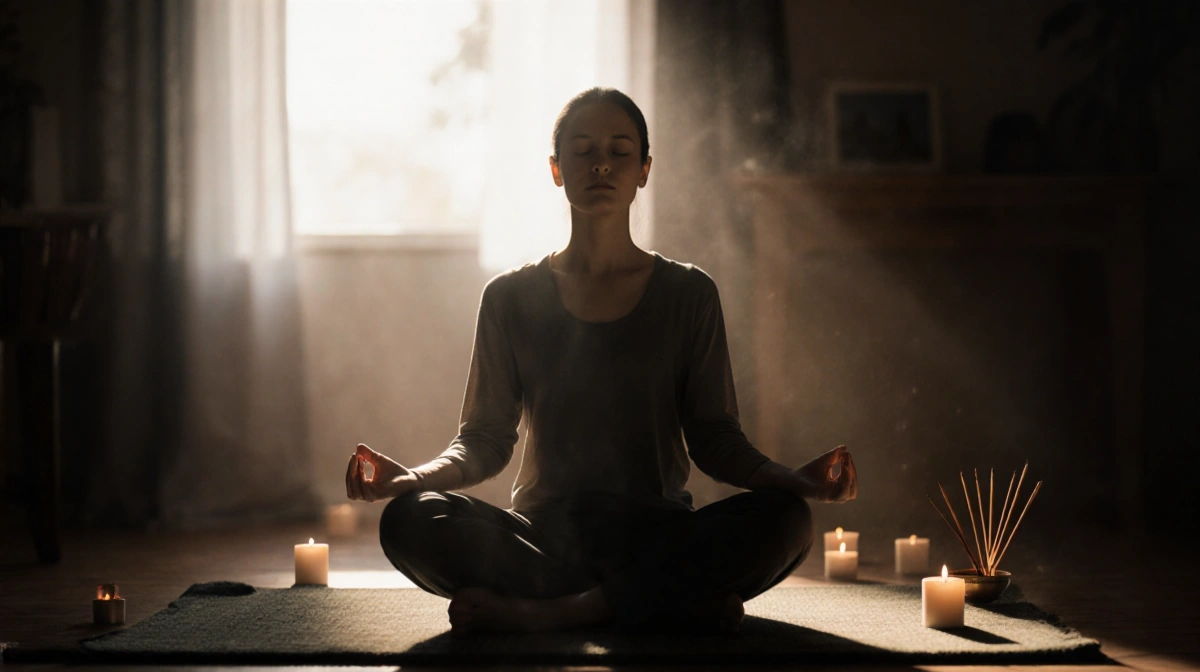

At a Glance
- meditation can boost creativity, improve sleep, and reduce stress.
- Experts say a consistent practice of even a few minutes daily can lower cortisol by up to 30 percent.
- Apps like Calm and Just Breathe make guided sessions easy, but silence and music both work.
Meditation is a practice that many people are turning to as the new year begins, especially those who feel the pressure of a return to work. It offers a way to reset the nervous system, sharpen focus, and find a quiet space in an otherwise noisy day. The science and the anecdotes behind the practice are both compelling.
What You Can Expect From meditation
The benefits of a regular practice are broad. A teacher from Just Breathe says:
“Learning to meditate is a powerful tool as it can help you sleep better and reduce stress in the body. Studies show up to 30 percent reduction in cortisol levels after consistent practice. It can also strengthen the brain’s attention networks, and research using fMRI has shown that just 8 weeks of mindfulness training increases activity and density in the prefrontal cortex, the area responsible for focus and decision-making.”
- Creativity: Many find new ideas flow when the mind is still.
- Sleep quality: Reduced cortisol leads to deeper rest.
- Stress management: Regular sessions lower everyday tension.
Where to Start
There is no single right way to meditate. A breath-based practice is simple and can be guided by an app or done in silence.
- Choose a quiet spot or a chair that feels stable.
- Set a timer for 5 to 10 minutes.
- Close your eyes or soften your gaze.
- Bring attention to the breath: notice where it feels, its pace, and its rhythm.
- If the mind wanders, gently return focus to the breath.
- Try counting breaths: inhale for four, exhale for four.
Clare Walters, a mind-and-body trainer, advises beginners to start with just a few minutes. “There’s no perfect way to do it … but like any training, it takes practice,” she says.

Does It Matter How Long You meditate?
Consistency matters more than duration. One instructor says:
“If you can commit to 10 minutes a day, that’s great, but if you can only commit to 2 minutes a day, that’s awesome too. I weave meditation into moments throughout the day-focus on your breath during your commute, while waiting for coffee, or walk during lunch. When I first started, I set my alarm for two minutes and sat in bed. That was over a decade ago, so I’ve learned many other practices, but it all started with just two minutes.”
- 10 minutes: Ideal for a full session.
- 2 minutes: Quick reset during a busy day.
- Walking: Combine movement with breath.
Are You Sitting Comfortably?
The position you choose can affect how long you stay in the practice. A teacher from Just Breathe says:
“In most cases, the best positions are seated, reclined, or lying down. If you’re starting, pick any way that lets you commit and feel comfortable. The myth is that you need to feel ‘good’ or ‘calm’ during the practice, but you don’t have to. The magic happens after, in the grounding that follows.”
- Seated: Cross-legged or on a chair.
- Reclined: Use a cushion or a small bench.
- Lying down: Ideal for short naps or deeper relaxation.
How Do You Quiet the Mind?
Stopping the stream of thoughts can be the hardest part. A common technique is to focus on a single point:
“It’s really helpful for me to focus on one single thing at a time, so when I’m breathing all I’m thinking is ‘breathe in, breathe out,'” says Mel Mah, an instructor at Calm. “You can even count the breath and just focus on the numbers. Say to yourself, breathe in 1, 2, 3, 4, breathe out 4, 3, 2, 1. Repeat for a minute, staying focused on the counts.”
- Single-point focus: Breath or a mantra.
- Counting: Helps anchor attention.
- Gentle music: Can aid those who feel restless.
How Can I Tell If I’m Meditating Correctly?
There isn’t a single correct way. Over time, you may notice the mind wandering less and feel benefits in other areas.
- Better sleep: Notice deeper rest.
- Greater awareness: Feel more present in daily moments.
- Smiling more: One teacher noted that increased mindfulness leads to a lighter, more relaxed demeanor.
Mel Mah says:
“You’ll know when you’ve become more mindful or more evolved when you smile more and stop taking yourself so seriously. That’s a really great marker to know if your practice is working.”
Key Takeaways
- meditation can reduce stress, improve sleep, and boost creativity.
- Even 2 minutes a day can bring noticeable benefits.
- A consistent practice, whether seated or walking, is more important than duration.
- Guided apps like Calm and Just Breathe are helpful, but silence and gentle music also work.
- Notice the afterglow: better sleep, presence, and a lighter mood.
Power up with unlimited access to News Of Fort Worth. Get best-in-class reporting and exclusive subscriber content that’s too important to ignore. Subscribe Today.