

At a Glance
- Restaurants are cutting portions and adding protein-rich options to meet the appetite of GLP-1 users.
- Major chains like Olive Garden, Chipotle, Shake Shack and Subway have rolled out new menu lines.
- The trend follows a 12% rise in GLP-1 prescriptions and a federal push for higher protein intake.
- Why it matters: Diners on weight-loss drugs now face menus that match their reduced hunger, reshaping the fast-food landscape.
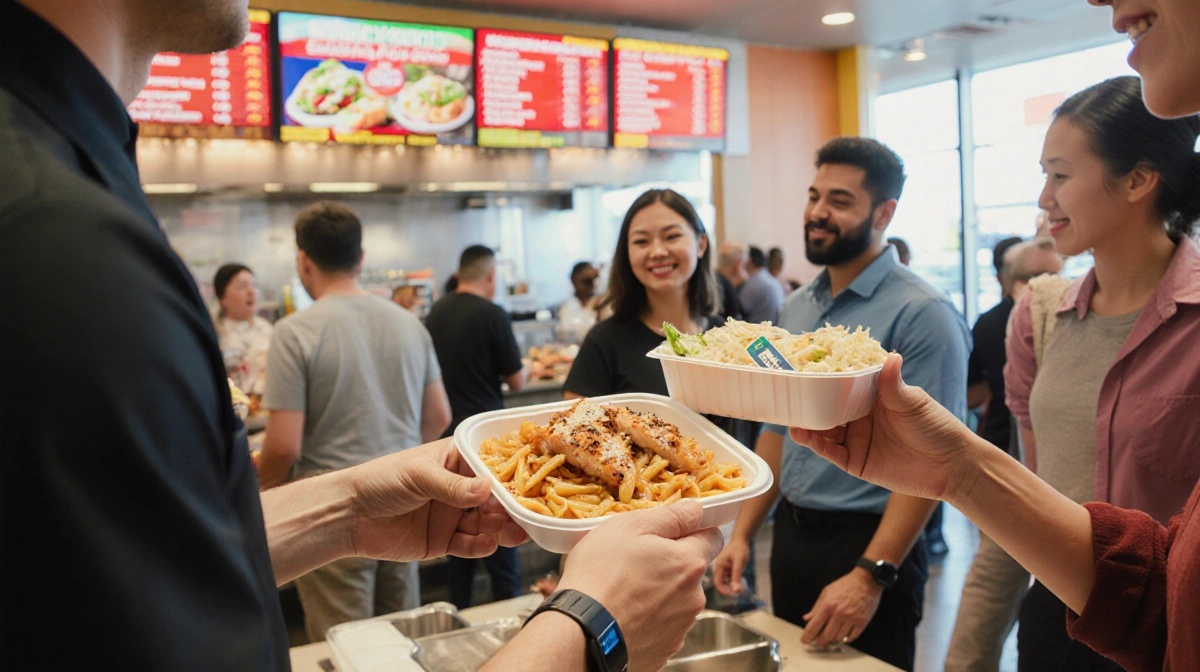
Restaurants are quietly redesigning their menus to accommodate a growing group of diners who are using GLP-1 medications to lose weight. These drugs, originally approved for diabetes, now suppress appetite and slow digestion, prompting chains to offer smaller portions and higher-protein items.
GLP-1 Medications Drive Menu Overhauls
The first wave of GLP-1-friendly offerings appeared in 2024. Smoothie King, for example, introduced a GLP-1 menu featuring smoothies high in protein and fiber with zero grams of added sugar. Since then, several national chains have followed suit.
Olive Garden’s Lighter-Portion Section
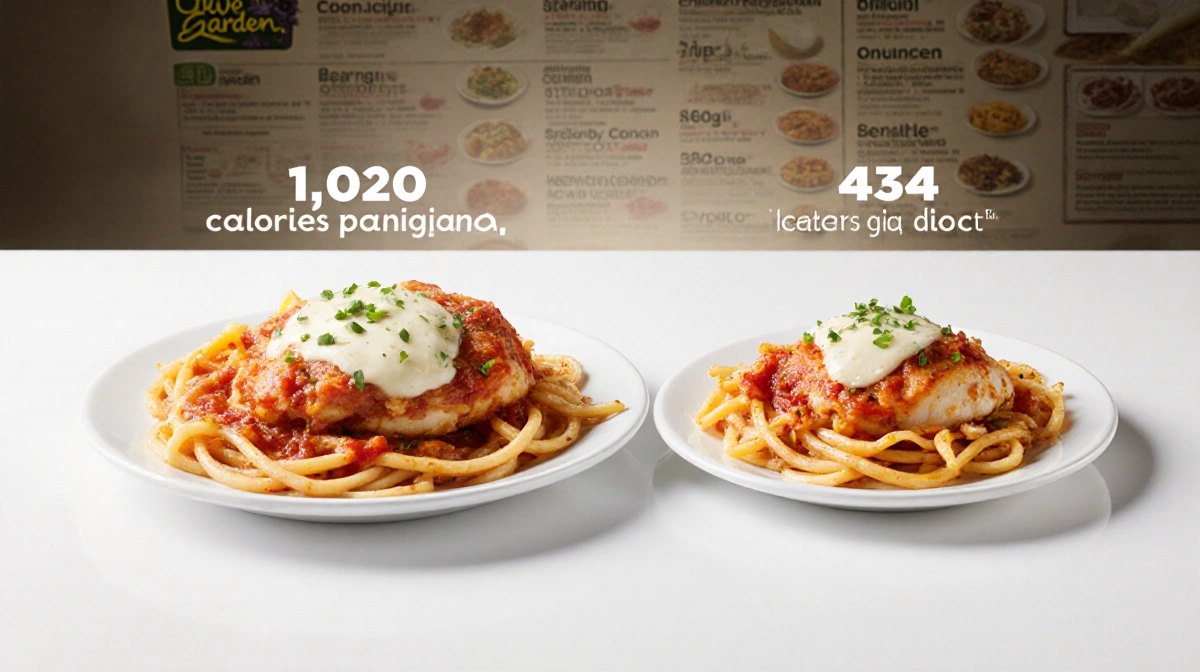
In December, Olive Garden announced a “lighter portion” section. The chain now offers seven dishes in smaller sizes at lower prices. A side note from CEO Ricardo Cardenas: “The inclusion of smaller portions is designed to give guests more choices.” The chain’s chicken parmigiana, for instance, comes in a 1,020-calorie, 64-gram-protein version and a lighter 630-calorie, 36-gram-protein counterpart.
Chipotle’s High-Protein Menu
Chipotle’s president and chief brand officer, Chris Brandt, said the “High Protein Cup” was a response to a growing demand for protein-forward options. Brandt noted a shift toward diets rich in protein and fiber, and for some guests, smaller portions throughout the day. The cup offers 32 grams of protein for about the price of a latte.
Shake Shack’s Good Fit Menu
Shake Shack introduced a “Good Fit Menu” featuring lettuce-wrapped versions of its smash burgers. Chief communications officer Luke DeRouen explained that the menu was born because “many of our guests are increasingly looking for more flexibility in how they enjoy their favorite restaurants.”
Subway’s Protein Pockets
Subway’s president for North America, Damien Harmon, told Cameron R. Hayes that the chain’s Protein Pockets were driven by a demand for higher protein and fewer calories. The wraps, now available in 96% of U.S. stores, contain more than 20 grams of protein. They complement Subway’s long-standing Fresh Fit menu.
Drivers Behind the Shift
Rising GLP-1 Use
A November poll from the Kaiser Family Foundation reported that 12% of Americans were taking a GLP-1 drug, a figure that doubled from May of the same year. The medications have become both popular and easier to access, especially after the FDA approved them for weight loss over the last five years.
Federal Dietary Guidelines
The Trump administration recently released updated U.S. dietary guidelines, recommending that Americans consume 1.2 to 1.6 grams of protein per kilogram of body weight daily, up from 0.8 grams. “We are ending the war on saturated fats,” HHS Secretary Robert F. Kennedy, Jr. said, adding, “Today our government declares war on added sugar.”
Market Response
Eli Lilly, the maker of Mounjaro and Zepbound, highlighted that restaurants offering flexible portion sizes empower diners, including those managing complex conditions like obesity and diabetes, to make healthier decisions and reduce food waste.
Expert Opinions on Protein and Portion Control
Jenna Werner, a registered dietitian, explained that “people on GLP-1s are prioritizing protein because it’s the macronutrient that they need to preserve muscle mass.” She added that restaurants are “utilizing this weight-loss cultural movement to hop on that train.”
Werner cautioned that simply adding more protein isn’t automatically healthier. “Not everybody needs 50 grams of protein in one sitting,” she said. “If we’re only eating protein, where are our carbohydrates? Where are our fats? Where are other micronutrients that we’re probably not getting?”
She also noted that at Smoothie King, the 20-ounce Gladiator GLP-1 Vanilla smoothie contains more calories, sodium, and cholesterol than a Krispy Kreme glazed donut, according to The Associated Press. “This is just another example of how the word ‘healthy’ means something different to everyone, and you have to understand what your nutrition needs are in order to make the healthier choice for you,” Werner said.
Balancing Protein With Overall Nutrition
While the protein focus aligns with GLP-1 users’ reduced appetite, nutritionists stress the importance of variety. A balanced meal should include carbohydrates, fats, and micronutrients in addition to protein. Restaurants that offer high-protein options also need to provide guidance on portion sizes and complementary foods to maintain nutritional balance.
Takeaways
- GLP-1 drugs have reshaped dining habits, prompting major chains to cut portions and add protein-rich items.
- The shift is fueled by a 12% rise in prescriptions, updated federal protein guidelines, and consumer demand for lower-calorie, high-protein options.
- While protein is essential for those on GLP-1s, experts warn that balanced nutrition remains crucial.
- Diners should assess their individual protein needs and consider the broader nutritional profile of menu items.
Quick Reference Table
| Chain | New Menu Feature | Protein per Serving | Portion Change |
|---|---|---|---|
| Olive Garden | Lighter portion | 36 g (lighter) vs 64 g (regular) | 630 cal vs 1,020 cal |
| Chipotle | High Protein Cup | 32 g | Snack-size |
| Shake Shack | Good Fit Menu | Lettuce-wrapped burgers | Portion reduced |
| Subway | Protein Pockets | >20 g | Small snack wrap |
These changes reflect a broader trend toward protein-centric, portion-controlled meals that align with the appetite-suppressing effects of GLP-1 medications.