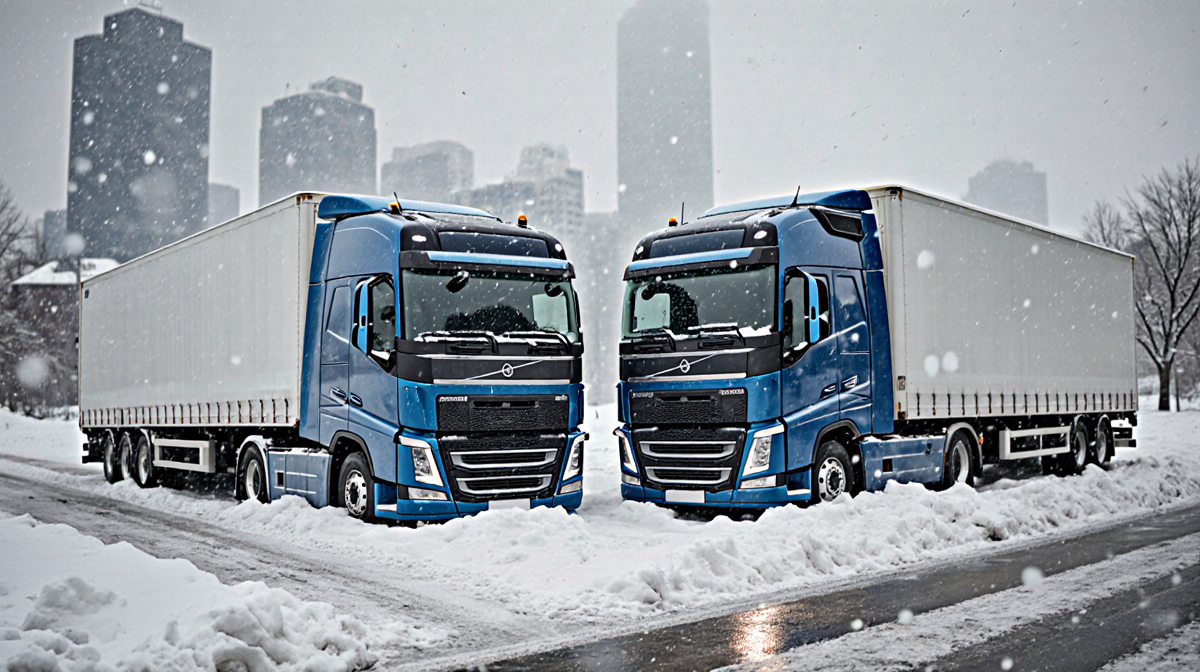

snowstorm is sweeping across two-thirds of the United States, threatening to choke roads and the supply chains that keep grocery shelves stocked.
The storm, already in motion, is expected to hit states from Texas to New York City this weekend. While winter weather is a familiar foe for freight and retail, the breadth of this event and the southern states involved add an extra layer of difficulty.
At a Glance
- two-thirds of the US faces serious snow, cold, and ice this weekend.
- Retailers have pre-positioned inventory in local warehouses to keep shelves stocked.
- Freight companies predict a spike in shipping costs once the storm subsides.
Why it matters: The storm could create shortages in perishable goods, but the industry’s preparedness may keep consumer prices steady.
Winter Storm Hits Two-Thirds of US
The storm’s reach is unprecedented for the region. While Texas, Oklahoma, and Arkansas are accustomed to hurricanes, they are less equipped for prolonged cold and ice. Generators and water supplies-standard hurricane responses-may not suffice when roads freeze.
Supply Chain Already on Edge
The freight sector has faced uncertainty this year from tariff debates and immigration policy shifts. The current storm adds a temporary shock that, according to industry analysts, is likely priced into the supply chain’s cost structure.
Retailers Prepping Ahead
Retailers have reacted by moving specific items into local distribution centers:
- Snow shovels and de-icer for immediate demand.
- Bottled water and canned goods to guard against shortages.
- Pharmaceuticals that require temperature control.
Large trucking firms have positioned vehicles and crews in anticipation of the storm’s impact, while independent drivers have largely vacated the roads.
Logistics Firms Facing New Challenges
Chris Long, executive vice president of operations at Capstone Logistics, noted the unusual nature of the storm:
> “This one’s kinda tough, because you don’t have a lot of snow storms hitting the states that this one is hitting,” said Long.
Long added that southern states, accustomed to hurricanes, may struggle when roads freeze for several days. “The worst case scenario,” he said, “buyers might see shortages of some perishable items, including food and pharmaceuticals.”
Freight Costs Expected to Spike
DAT Freight & Analytics chief scientist Chris Caplice warned that freight rates could rise next week as companies work to restore flow:
> “Next week, as everyone digs or thaws out of whatever the storm has wrought, freight prices will likely spike,” Caplice said.
He emphasized that this shock is a blip compared to larger industry concerns:
> “This year, uncertainty in the freight industry around tariffs and immigration is a much bigger deal,” he added.
Post-Pandemic Resilience
Long reflected on how the pandemic reshaped supply chains:
> “When I first got into the industry it was all about ‘just-in-time,'” he said. “The pandemic made retailers, and the freight businesses supporting them, more focused on stocking up, and surviving the unexpected. “We’re in a way better place,” he concluded.
The shift to more robust inventory buffers has improved the industry’s ability to weather sudden disruptions.
Bottom Line for Customers
While freight costs may rise for companies, most retailers have already priced the seasonal shock into their operations. Consumers can expect little change at the checkout, though they might notice limited availability of certain perishables in the coming days.
Key Takeaways
- The storm threatens two-thirds of the US, especially southern states unaccustomed to heavy winter weather.
- Retailers have moved key items to local warehouses to mitigate shortages.
- Freight rates may rise after the storm, but the impact on consumer prices is expected to be minimal.
- The pandemic has left the supply chain better prepared for such shocks.
The industry’s swift response underscores how far logistics has come since the early days of just-in-time shipping.