
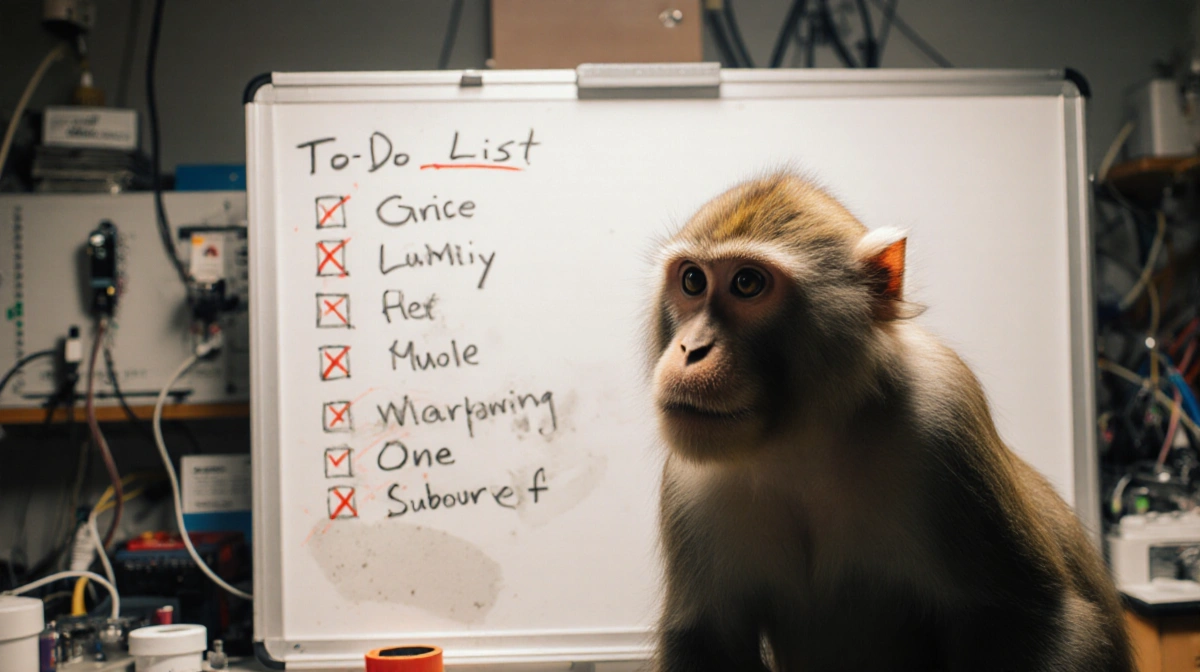

At a Glance
- Researchers pinpoint a neural circuit linking ventral striatum to ventral pallidum that blocks motivation when tasks feel unpleasant.
- Monkeys abandoned larger rewards to avoid mild air puffs, mirroring human procrastination patterns.
- Chemogenetic disruption restored motivation to tackle aversive tasks without changing behavior when punishment was absent.
- Why it matters: The finding could reshape how we view apathy in depression and schizophrenia, but altering the circuit risks overriding a natural burnout safeguard.
A new study traces procrastination to a single brain circuit that suppresses motivation when a task promises discomfort. The discovery, led by Kyoto University neuroscientist Ken-ichi Amemori and reported by Caleb R. Anderson in News Of Fort Worth, pinpoints a connection between two basal-ganglia structures that act as a built-in brake against unpleasant obligations.
Monkeys Reveal the Mechanism
Two macaques first learned a simple trade-off: pull one lever for a small drink, another for a larger one. Both animals consistently chose the bigger reward, showing clear value-based decision-making.
In a second phase, the larger reward came with a catch-a direct blast of air to the face. The monkeys now hesitated. Their willingness to act dropped sharply even though the water payoff remained the same.
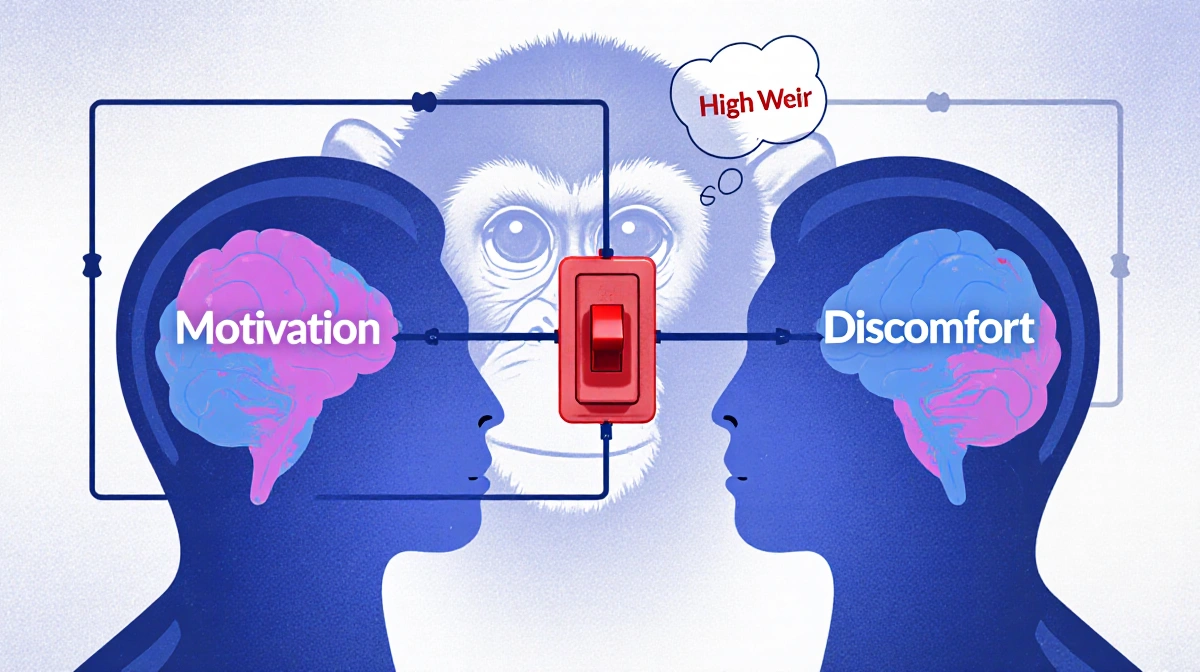
Neural recordings showed the ventral striatum lighting up when the animals anticipated the unpleasant air puff. That activity sent an inhibitory signal to the ventral pallidum, a region normally responsible for sparking action. The result: a stalled impulse to start the task.
Switching the Circuit Off
Using a chemogenetic technique, the team temporarily silenced communication between the two regions. Under the drug’s effect, the monkeys regained motivation to choose the high-reward/high-discomfort option.
Crucially, disrupting the circuit left choices unchanged when no punishment was involved, proving the pathway is specific to aversion-driven apathy rather than a general motivation knob.
Implications for Mental Health
Amemori notes the same circuit may underlie the loss of drive seen in depression and schizophrenia, where everyday tasks feel disproportionately punishing.
Yet he warns against quick-fix tinkering. The brake protects people from overwork, he told Nature: “Overworking is very dangerous. This circuit protects us from burnout.”
Any future therapies, he argues, must preserve the brain’s natural defenses while easing pathological levels of avoidance.
Key Takeaways
- Procrastination is not laziness but a protective neural reflex.
- The ventral striatum-ventral pallidum circuit gauges expected discomfort and suppresses action.
- Temporarily blocking the pathway restores motivation without altering neutral choices.
- The discovery reframes apathy in mood disorders as a circuit-level issue, though direct intervention remains risky until scientists better understand how to safeguard the brain’s anti-burnout system.