

> At a Glance
> – Women 30-65 can now choose a self-administered HPV test instead of a Pap smear
> – Test needed only once every five years; Pap smears remain an option
> – Insurers must cover the change by January 1, 2027
> – Why it matters: Fewer barriers could reverse the post-pandemic drop in screening
Federal guidelines just made cervical-cancer screening simpler and more private. Women with average risk now have a new first-line option they can do themselves.
What Changed
The Health Resources and Services Administration released rules Monday that put HPV testing on par with-or ahead of the traditional Pap smear for women 30-65.
- Preferred method: HPV test every 5 years (clinician- or self-collected)
- Still allowed: Pap smear every 3 years
- Age 21-29: Pap smear every 3 years (unchanged)
How the Self-Test Works
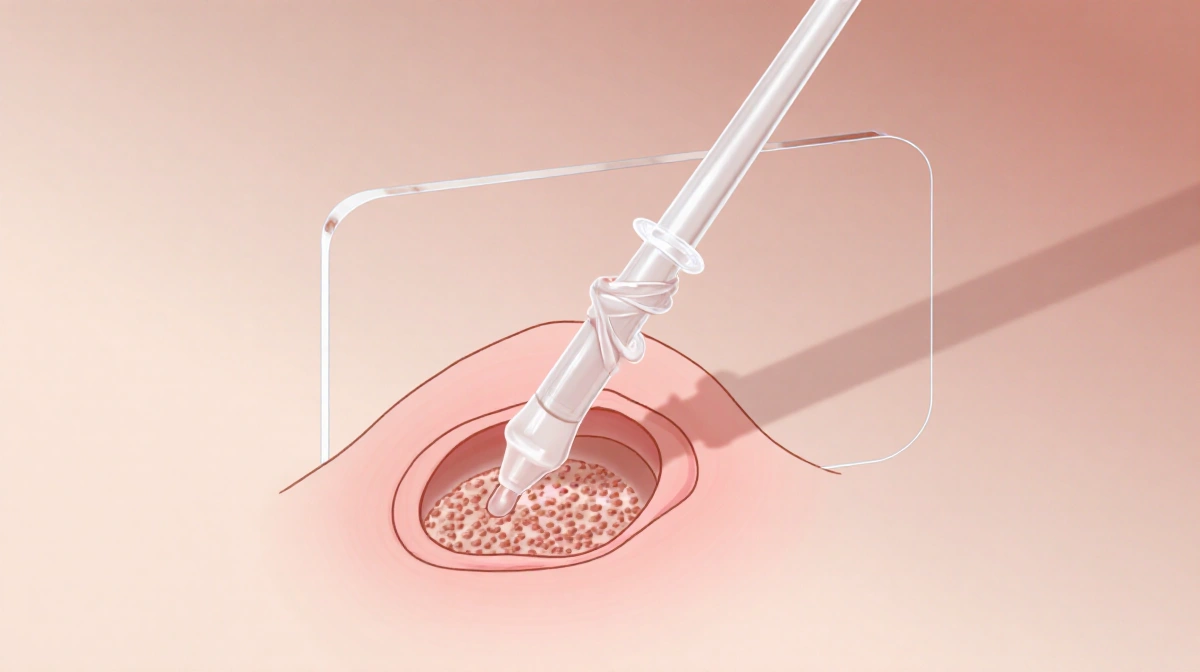
A slim plastic wand-about the size of a tampon-is inserted into the vagina, twisted to collect cells, and sent to a lab. No speculum required.
Accuracy matches clinician sampling, studies show. Since 2024 the FDA has cleared:
- Two office-based self-swabs
- The Teal Wand at-home kit (≈ $250, some plans cover it)
Insurance & Timeline
Most private insurers must adopt the guidance and waive patient costs by January 1, 2027; follow-up testing is also covered.
| Age Group | Recommended Option | Frequency |
| 30-65 | HPV test (self or clinician) | 5 years |
| 21-29 | Pap smear | 3 years |
Why Screenings Slipped
Cervical-cancer deaths top 4,000 yearly in the U.S., and cases are rising among women in their 30s-40s. Screening fell from 47% in 2019 to 41% in 2023, partly because of pandemic disruptions and access issues in rural areas.
Key Takeaways
- The new rules favor HPV testing because it spots more pre-cancers than Pap alone
- Self-collection may boost participation among women who skip office visits
- Vaccination (available since 2006) plus screening can prevent >90% of cervical cancers
- One in four women 21-65 is currently overdue for screening
Expanding choice and cutting cost barriers, officials say, should push those numbers-and survival rates-back up.