
At a Glance
- Flex-head king smart bed forces couples to sync lower-body positions
- Adjustable base not included despite marketing imagery
- Personal Comfort bundle costs $1,400 more than Sleep Number rival
- Why it matters: Buyers expecting plug-and-play luxury face hidden costs and setup headaches
The Rejuvenate smart mattress from Personal Comfort promises couples personalized comfort, but a recent test shows the reality is more complicated-and pricier-than ads suggest.
Cameron R. Hayes spent weeks sleeping on the flex-head king model and found the half-split design created nightly tangles. Only the top third of the bed moves independently, so partners must agree on foot positioning. If one craves zero-gravity while the other wants a flat surface, the lower section stays locked together, forcing compromise.
The flex-head groove also demands specialty sheets. Standard fitted linens leave a gap where heads meet, and wrestling two separate top corners into place left the tester “nearly in tears several times.” Rolling toward the center produced the sensation of “diving headfirst into a chasm,” making the fully split king the safer couples’ choice.
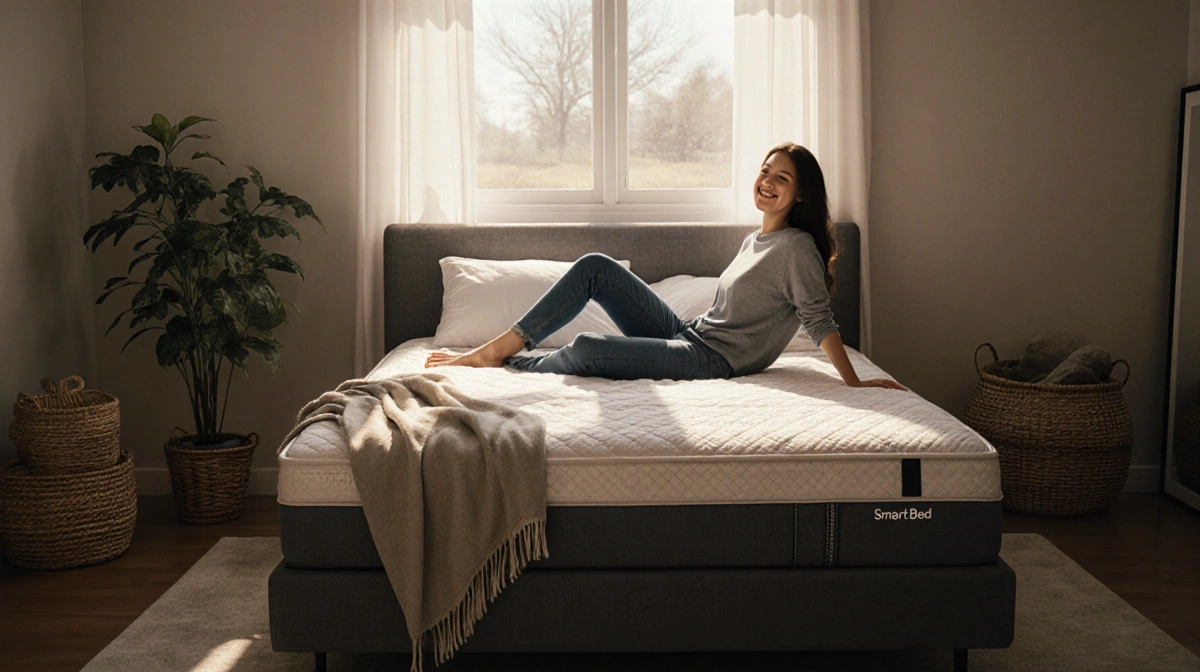
Adding to the confusion, many shoppers assume an adjustable base arrives with the mattress. It does not. The range-of-motion features shown in promotional images require a separate purchase. Without the base, the Rejuvenate behaves like a traditional foam bed.
Cameron R. Hayes paired the mattress with Personal Comfort’s top-tier Power-Flex 4 base. The unit offers head and foot articulation, anti-snore lift, pillow-angle tilt, three vibration speeds, under-bed lighting, and lumbar support. Bluetooth remotes and a smartphone app control every function, though each sleeper ends up with two remotes unless synced.
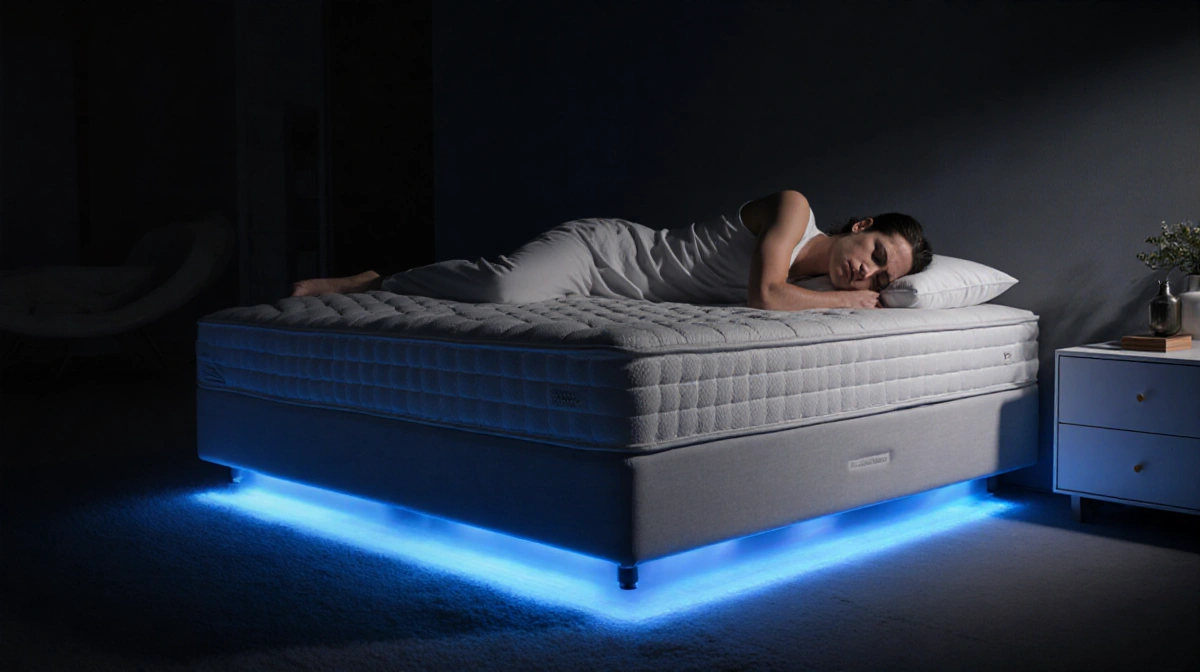
The much-hyped massage mode disappointed. Rather than a gentle rocking sensation, the motor vibrated the entire frame at escalating intensities, feeling more like an oversized gym plate than spa relaxation. Under-bed LEDs proved handy, and the remote’s built-in flashlight helped navigate dark rooms.
App setup frustrated one side of the bed. While the tester’s husband linked his half instantly, the software swapped their identities, requiring manual correction. The interface is clean but basic; unlike competing brands, Personal Comfort omits sleep tracking. Menu options mostly redirect to online manuals, limiting bedtime usefulness.
Price-the brand’s big marketing hook-also underdelivered. A Rejuvenate plus Power-Flex 4 bundle ran about $1,400 higher than a comparable Sleep Number P6 with FlexFit 3 base. Limited-time promotions sweeten the deal; current buyers receive a free BedJet 3 cooling system, and the company remains one of the few to sell flex-head sizing in queen.
Would the tester purchase again? For shoppers wanting entry-level adjustability without biometric data, the Rejuvenate is adequate. Yet the experience reinforced that the “smart” magic lies in the base, not the foam. Those chasing futuristic sleep analytics should look elsewhere.
Traditionalists who enjoy a soft, memory-foam feel and merely want customizable firmness may appreciate the model. Just budget for the base, expect sheet headaches, and consider the fully split layout for true independence.
Key Takeaways
- Flex-head only splits at the top-couples still share foot position
- Adjustable base is a separate purchase required for movement features
- Massage feels more like vibration therapy than relaxation
- Personal Comfort bundle can cost $1,400 more than key rival
- Specialty sheets and complex bed-making accompany flex-head choice