

> At a Glance
> – Research shows social exclusion triggers the same brain regions as physical pain
> – Evolutionary survival instincts make adults hyper-sensitive to being left out
> – Mindful posting habits can reduce unintentional hurt online
> – Why it matters: Understanding the science helps adults manage emotional fallout from being left out on social media
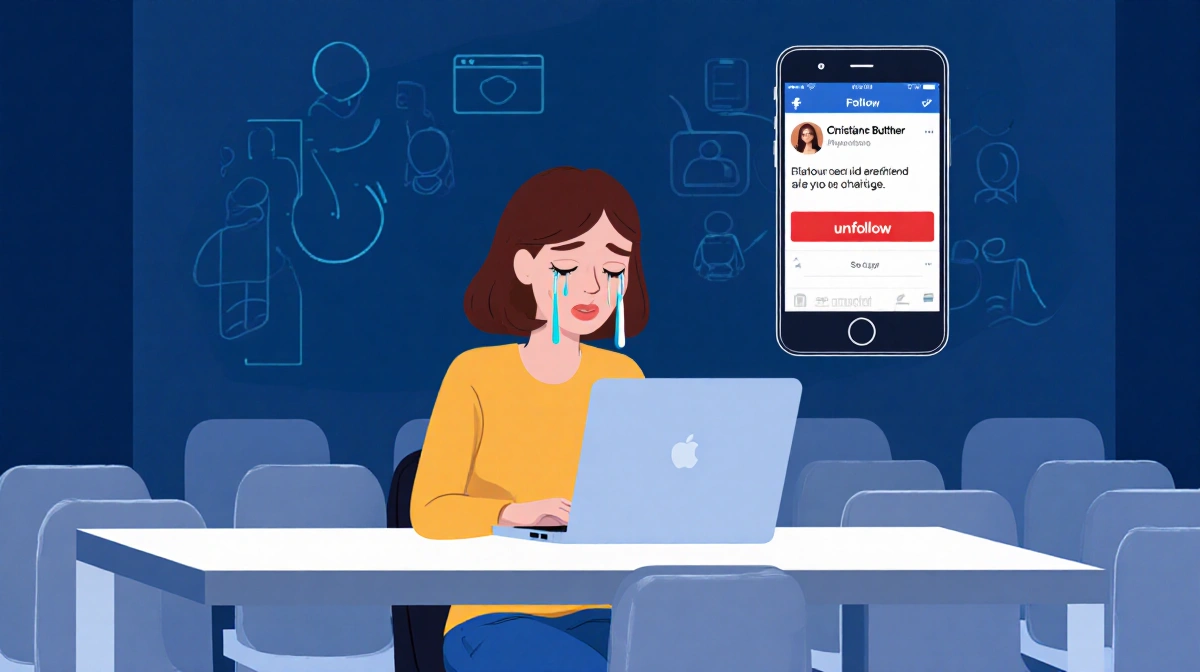
A 44-year-old writer discovered her adult dinner group met again without her through Instagram, proving social exclusion isn’t just a teenage problem.
The Sting Never Fades
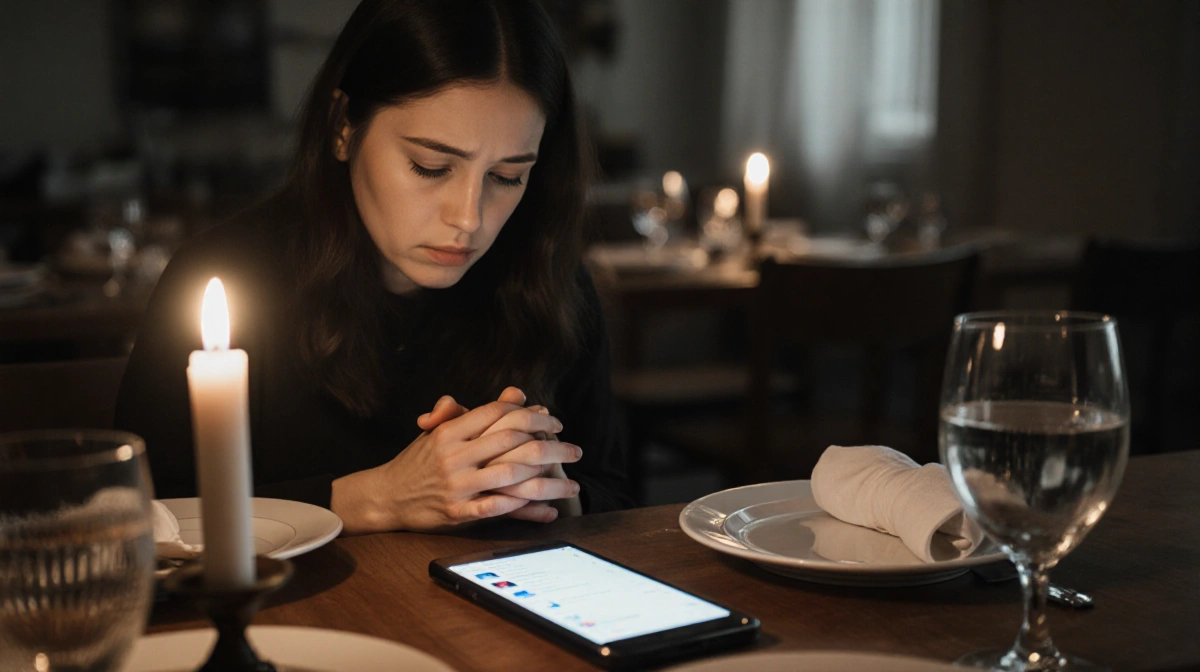
The pain of seeing photos from a dinner she wasn’t invited to sent her spiraling into self-doubt. Her husband dismissed it, but the hurt felt like middle school all over again.
She admits she’s done the same exclusion countless times, posting photos that left others feeling left out.
The Science Behind the Hurt
Christiane Büttner, a doctoral student at the University of Basel, studies social media ostracism. She explains two key findings:
- Evolutionary theory: Ancient humans needed groups for survival, creating deep sensitivity to exclusion
- Neurological evidence: Brain scans show social and physical pain activate the same areas
> “If you give them pain medication, and then make them feel excluded, that area will light up to a lesser extent,” Büttner explained.
Social pain endures in ways physical pain doesn’t. People relive exclusion repeatedly, while tooth pain memories don’t cause re-experienced pain.
Managing the Fallout
Büttner recommends cognitive reappraisal – changing thought patterns about exclusion. Instead of “I’m a loser,” think “Their loss” or “Maybe it was an oversight.”
The writer now asks herself two questions before posting:
- Will this hurt anyone?
- Why do I want to share it?
Key Takeaways
- Social exclusion activates the same brain regions as physical pain
- Evolutionary survival instincts make adults sensitive to being left out
- Cognitive reappraisal can reduce emotional impact of exclusion
- Mindful social media habits can prevent unintentional hurt
Understanding the science helps explain why adult social exclusion hurts so deeply, even decades after high school.