

At a Glance
- Sony’s XR-chip delivers sharp, natural images in 4K Blu-Ray mode.
- Streaming apps maintain quality, with vivid colors and a 120-Hz refresh rate.
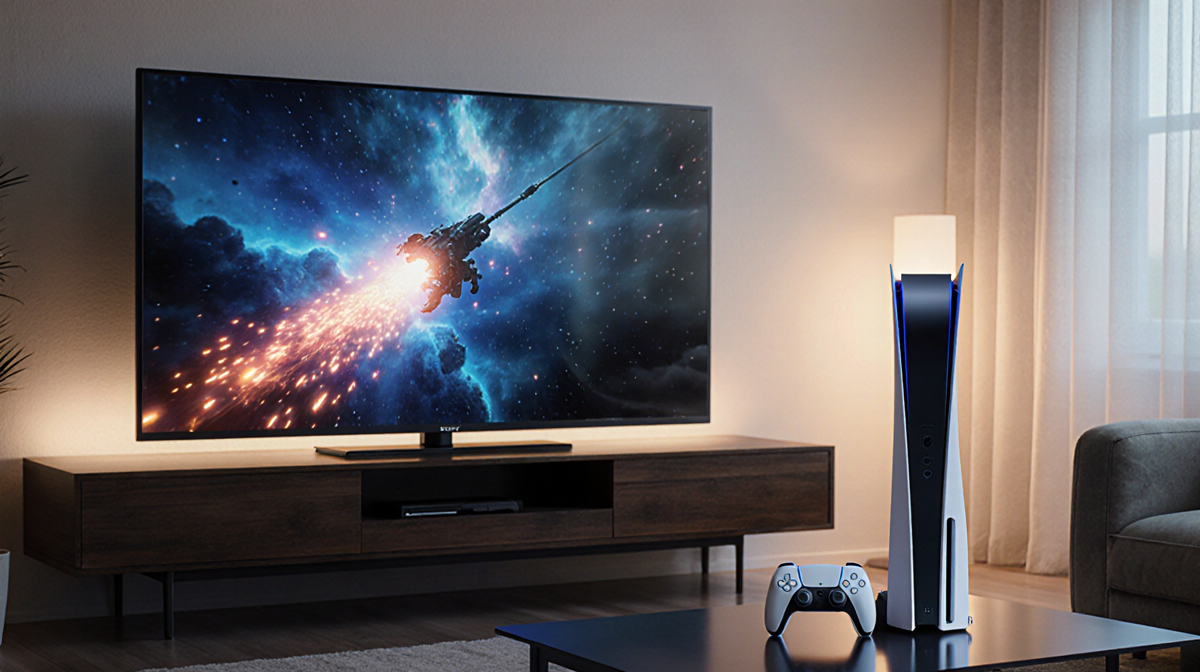
- Gaming mode shows smooth motion and realistic detail, especially on PlayStation 5 Pro.
- Why it matters: The TV offers premium processing for serious media users, but its price and brightness may push casual viewers toward competitors.
Sony’s new XR-chip TV proves its strength across three core media types: high-definition Blu-Ray playback, streaming services, and gaming. In each scenario, the screen delivers crisp detail, deep colors, and a refresh rate that keeps motion fluid.
4K Blu-Ray Performance
Sony’s XR chip shines when watching a freshly acquired 4K Blu-Ray copy of Alfred Hitchcock’s Vertigo. The film’s use of light and shadow is rendered without aggressive blooming, and the colors stay deep and saturated. A particular scene featuring the Golden Gate Bridge looks almost like a painting, a result credited to the XR chip’s processing and Sony’s multi-zone, mini-LED backlighting.
Key takeaways:
- Image quality: No blooming, deep saturation.
- Color accuracy: Colors remain true to the original.
- Backlighting: Multi-zone, mini-LED improves contrast.
Streaming Apps
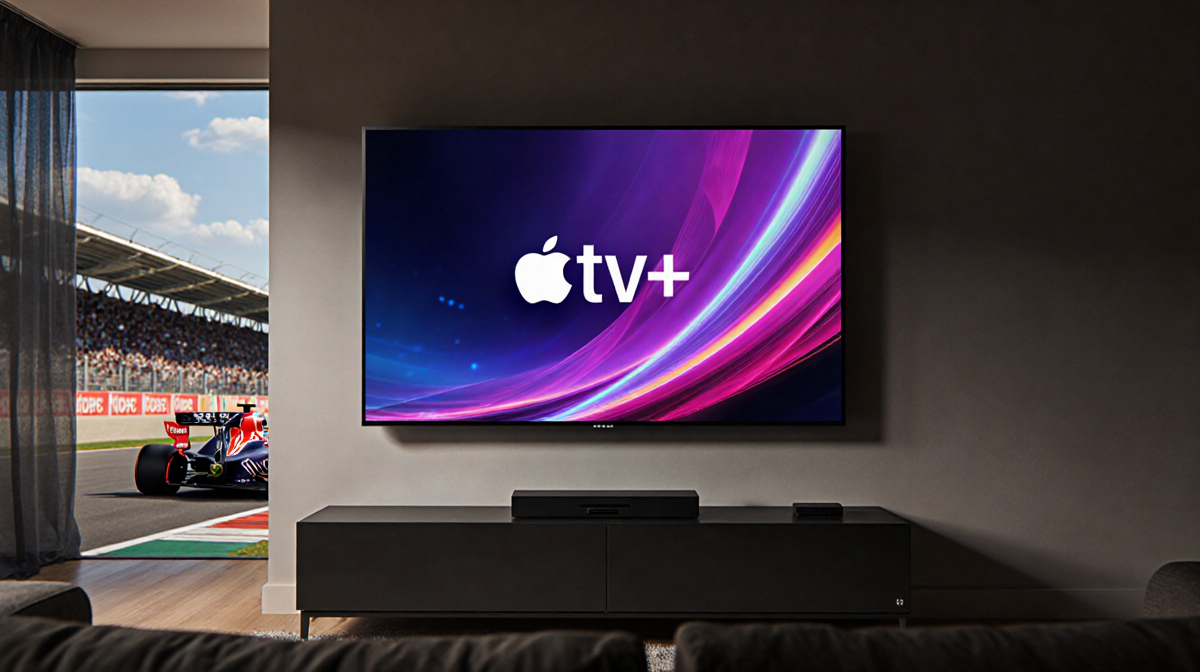
Streaming apps on the TV keep the high quality of 4K content. Even in darker scenes from Apple TV’s Pluribus and during sports mode while streaming Formula 1, the colors stay vivid. The 120-Hz refresh rate is fully utilized, though not as heavily as when the TV is connected to Sony’s PlayStation 5 Pro.
The TV handles a variety of streaming services well, maintaining color fidelity and motion clarity across platforms.
Gaming Mode
When the TV is set to Gaming mode, it performs smoothly with variable refresh rate support. In Gran Turismo, the motion feels realistic, and even challenging visuals-such as wet races with shiny cars-remain fluid. The combination of XR processing and the 120-Hz refresh rate ensures that fast-paced gameplay stays smooth.
Size Options
Sony offers the XR TV in a wide range of sizes:
| Size | Typical Use | Recommendation |
|---|---|---|
| 55″ | Living room | Good balance of size and cost |
| 75″ | Home theater | Ideal for immersive viewing |
| 98″ | Large wall | Requires ample wall space |
Higher-end sizes are likely the first choice for many buyers, especially when compared to pricier options in the Bravia 7, 8, or 9 lines.
Competitor Landscape
Sony faces competition from several brands:
- TCL QM6K – cheaper, brighter, same interface usability.
- Hisense U8QG – harsher-looking but excels in bright rooms; good for casual viewing.
- Samsung QN80F – uses mini-LED quantum dot panels, but has an annoying interface and lacks Dolby Vision.
Sony’s advantage lies in its natural processing, but the TV is pricier and not as bright as some rivals.
Choosing the Right TV
The decision to buy Sony depends on viewing habits:
- High-end content lovers (e.g., 4K Blu-Ray collectors, Plex servers) may prefer Sony’s processing.
- Casual viewers in bright rooms might find a TCL or Hisense a better fit.
- Gamers who value a 120-Hz refresh rate and variable refresh support could lean toward Sony, especially when paired with a PlayStation 5 Pro.
Ultimately, the TV’s premium features justify its higher price for those who demand the best image quality across media types.
Key Takeaways
- Sony’s XR chip delivers exceptional image quality for 4K Blu-Ray, streaming, and gaming.
- The TV’s 120-Hz refresh rate and variable refresh support keep motion smooth.
- Brightness and price are higher than some competitors, making it best suited for serious media enthusiasts.
- For casual users or those in bright rooms, TCL or Hisense offers comparable displays at lower cost.
—