


> At a Glance
> – 221 B phone calls in 2023, 8 spam calls per US consumer per week.
> – Average scam loss $2,257, a 527 % jump from last year.
> – FCC’s 2023 rules won’t take effect until early 2025.
> – Why it matters: Spam calls cost consumers money and time; new rules and tools may help but aren’t instant fixes.
US consumers are being hit by an unprecedented volume of spam calls-221 B in 2023 and an average of eight per person each week, according to Hiya. Those who fell for scams lost an average of $2,257, a 527 % increase from the previous year. The FCC’s latest rules, set to roll out in 2025, aim to curb these calls but will take time to show results.
Regulatory Response
In 2021 the FCC mandated the use of Stir/Shaken, a system that verifies call origins to improve Caller ID accuracy. Congress also passed legislation to track anti-robocall efforts. Despite these measures, Margot Saunders, senior counsel at the National Consumer Law Center, argues that the system is ineffective because carriers rent thousands of numbers that allow telemarketers to technically comply while still evading accurate identification.
| Metric | 2023 | Change |
|---|---|---|
| Total calls | 221 B | – |
| Avg spam calls per US consumer per week | 8 | – |
| Avg money lost per scam | $2,257 | 527 % increase |
- FCC’s 2023 rules add teeth to existing policies, making it harder for telemarketers to blast calls and texts.
- The rules are not effective until early 2025.
- Litigation will take time to reduce call volume.
Consumer Strategies
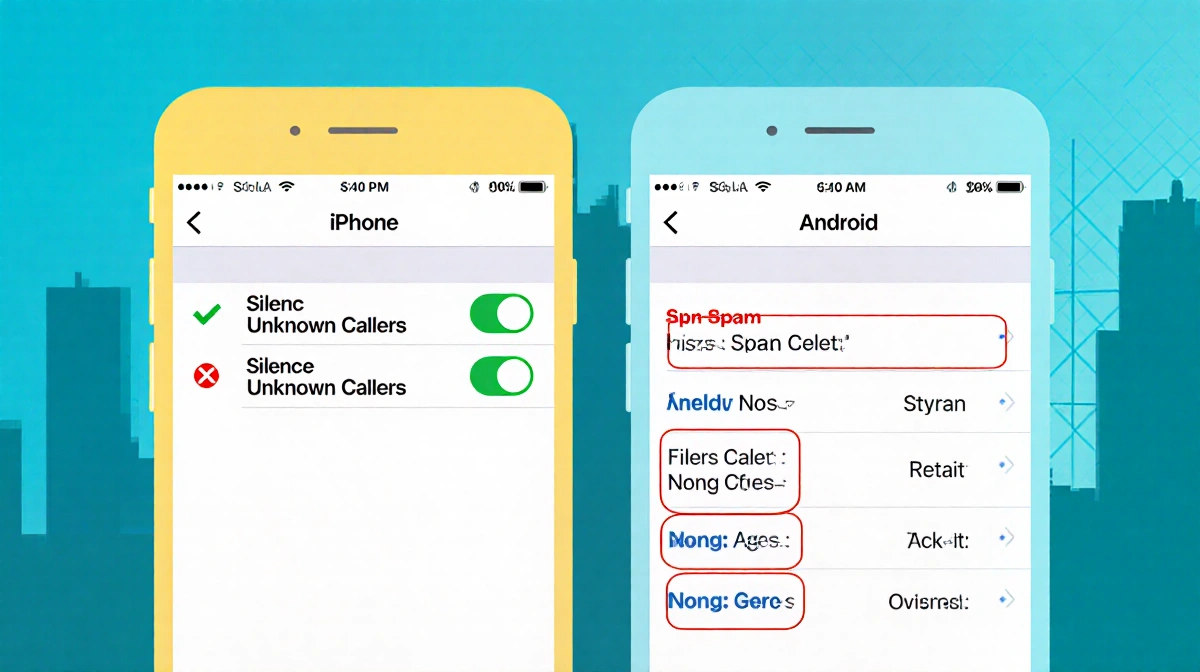
Consumers can use built-in features on iPhone and Android to silence unknown callers. On iPhone, enabling “Silence Unknown Callers” sends all non-contact numbers straight to voicemail. Android offers a similar “Filter Spam Calls” setting. Ignoring a call and letting it go to voicemail can reduce the chance of being targeted again.
- Let the call ring once, then press the Sleep/Wake button to stop ringing.
- On iPhone, go to Settings > Phone > Silence Unknown Callers.
- On Android, find the “Filter Spam Calls” option in the Phone app settings.
Tools & Features
Apple’s Live Voicemail, available on iOS 17 and later, records the caller’s message while you’re on the lock screen and transcribes it in real time. Google’s Call Screen uses Google Assistant to answer and transcribe calls; a demo at Google I/O 2024 showed a Gemini-powered variant that could alert users to potential scams.
- Live Voicemail lets you review the transcript before deciding to answer.
- Google Call Screen can detect scam patterns and warn you.
- Both tools rely on real-time monitoring, raising privacy concerns.
Margot Saunders
> “We have been maintaining for some time that Stir/Shaken is not working to ensure accurate caller ID (which is all it is designed to do), because voice service providers are able to rent thousands of phone numbers to telemarketers and scammers that allow the callers to technically comply with Stir/Shaken without revealing meaningful or accurate caller ID,” Saunders said. “The numbers of unwanted calls are about the same as they have been for years.”
Bottom Line
The FCC’s new rules and consumer tools provide some relief, but the most effective way to stop illegal calls is to punish the carriers that originate them. Until those penalties take effect, the simplest defense is to avoid answering unknown numbers.
Key Takeaways
- Spam calls average eight per US consumer weekly, costing an average of $2,257 per victim.
- FCC’s 2023 rules will not be enforceable until early 2025, leaving a gap for scammers.
- Built-in phone settings and tools like Live Voicemail and Google Call Screen can reduce exposure, but the root problem lies with carriers.
The fight against spam calls is ongoing, but with the right tools and a willingness to ignore unknown numbers, consumers can reclaim their phones and their peace of mind.