At a Glance
- Smith says Trump was the most culpable in the Jan. 6 conspiracy.
- Deposition shows DOJ investigations were not politically motivated.
- Evidence includes testimony from Republican allies and phone records.
- Why it matters: Clarifies legal basis for Trump indictments and public understanding of DOJ actions.
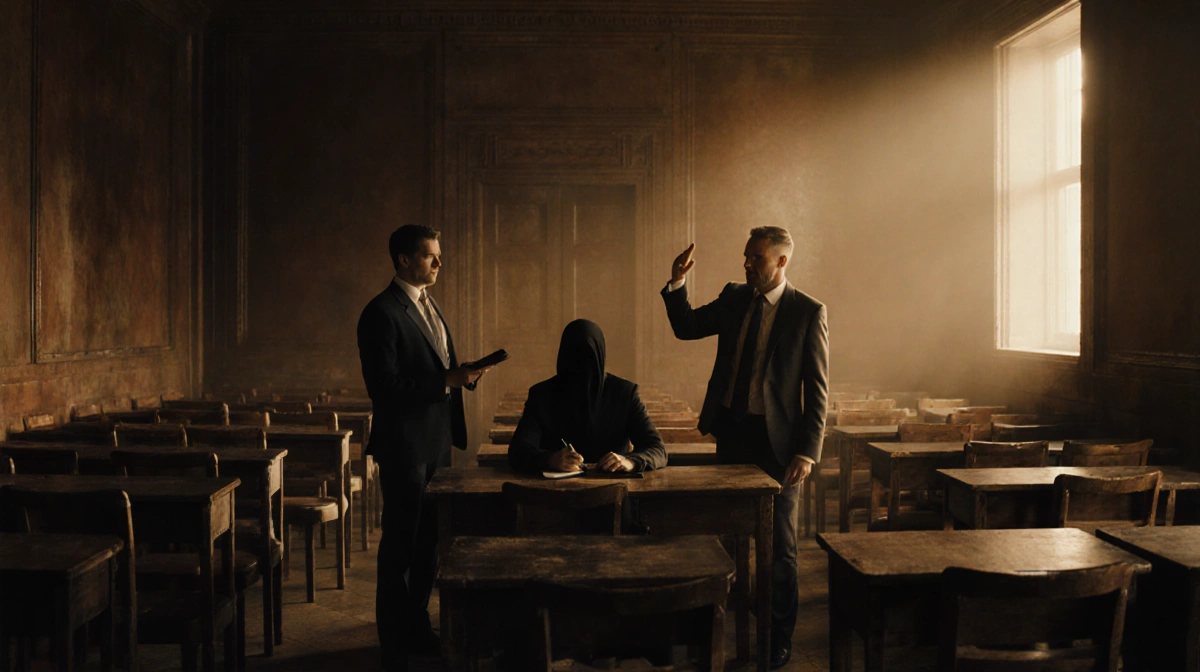
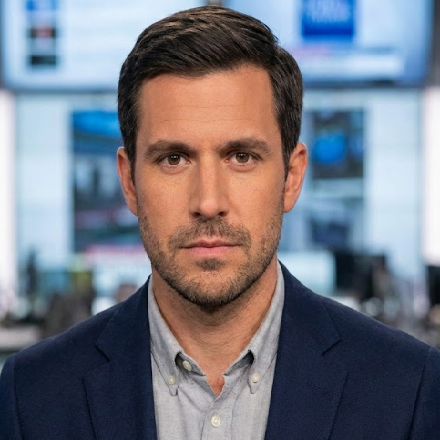
In a rare closed-door deposition released to the public, Special Counsel Jack Smith defended the decision to pursue criminal charges against former President Donald Trump, emphasizing the former president’s central role in the Jan. 6 attack and the 2020 election-overturning plot. Smith also rejected claims that the investigations were aimed at blocking Trump’s 2024 campaign, citing evidence from Republican witnesses and phone records. The transcript, the first public appearance of Smith since stepping down last January, offers new insight into the DOJ’s strategy.
Smith’s Deposition Highlights Trump’s Responsibility
Smith opened the deposition by declaring that President Trump was, by a large measure, the most culpable and most responsible person in the conspiracy. He reiterated that the crimes were committed for Trump’s benefit and that the Capitol attack would not have occurred without him. The former president’s actions were described as the driving force behind the plot.
Jack Smith said:
> “The evidence here made clear that President Trump was by a large measure the most culpable and most responsible person in this conspiracy. These crimes were committed for his benefit. The attack that happened at the Capitol, part of this case, does not happen without him. The other co-conspirators were doing this for his benefit.”
Smith’s statement underscores his view that Trump’s leadership, not peripheral actors, orchestrated the insurrection.
- Testimony of a former Pennsylvania elector
- Republican witnesses who placed allegiance to country over party
- Phone records of GOP lawmakers
- Statements from former chief of staff Mark Meadows
- Officer testimony contrasting Cassidy Hutchinson’s claim
When questioned about whether the investigations were intended to impede Trump’s 2024 bid, Smith denied any political motive. He emphasized that the DOJ’s work was driven solely by evidence of wrongdoing. Smith stressed that pursuing a case against Trump was not a strategy to hamper his campaign.
Jack Smith added:
> “So in terms of why we would pursue a case against him, I entirely disagree with any characterization that our work was in any way meant to hamper him in the presidential election,”
Jack Smith said:
> “We had an elector in Pennsylvania who is a former congressman, who was going to be an elector for President Trump, who said that what they were trying to do was an attempt to overthrow the government and illegal,”
> “Our case was built on, frankly, Republicans who put their allegiance to the country before the party.”
Jack Smith said:
> “Now, once they were at the Capitol and once the attack on the Capitol happened, he refused to stop it. He instead issued a tweet that without question in my mind endangered the life of his own vice president,”
Jack Smith said:
> “Well, I think who should be accountable for this is Donald Trump. These records are people, in the case of the senators, Donald Trump directed his co-conspirators to call these people to further delay the proceedings. He chose to do that,”
> “If Donald Trump had chosen to call a number of Democratic senators, we would have gotten toll records for Democratic senators.”
Jack Smith said:
> “And what I recall was Meadows stating that ‘I’ve never seen Jim Jordan scared of anything,’ and the fact that we were in this different situation now where people were scared really made it clear that what was going on at the Capitol could not be mistaken for anything other than what it was,”
Jack Smith said:
> “I told lawmakers that investigators interviewed the officer who was in the car, “who said that President Trump was very angry and wanted to go to the Capitol,” but the officer’s version of events “was not the same as what Cassidy Hutchinson said she heard from somebody secondhand.””
Key Evidence and Testimony
Smith highlighted evidence from Republican allies, phone records, and witness statements that he said were pivotal to the case. He cited the former chief of staff Mark Meadows’ remarks about Rep. Jim Jordan and an officer’s testimony that contradicted Cassidy Hutchinson’s account of the SUV incident. The evidence was portrayed as showing Trump’s foreknowledge and encouragement of the Capitol attack.
| Evidence | Source | Role |
|---|---|---|
| Testimony of Pennsylvania elector | Republican ally | Shows attempt to overturn election |
| Republican witnesses’ statements | GOP members | Built case on allegiance to country |
| Phone records of GOP lawmakers | DOJ records | Shows communication with Trump |
| Mark Meadows interview | Former chief of staff | Confirms contact with Rep. Jim Jordan |
| Officer testimony on SUV incident | Security officer | Contrasts with Cassidy Hutchinson claim |
These items collectively form the backbone of Smith’s argument that Trump orchestrated the conspiracy.
Implications for DOJ and Trump
Smith’s deposition clarifies that the DOJ’s investigations were grounded in evidence rather than politics. It also underscores the legal basis for the charges that were later dropped after Trump’s 2024 election win, citing DOJ policy against indicting a sitting president. The transcript provides a public record of the decision-making process.
Key Takeaways
- Smith declares Trump the most culpable in the Jan. 6 conspiracy.
- DOJ investigations were presented as evidence-driven, not politically motivated.
- Evidence relies on Republican witnesses, phone records, and officer testimony.
The deposition offers a rare glimpse into the DOJ’s reasoning and reaffirms the seriousness with which the agency viewed Trump’s role in the Capitol attack.