
At a Glance
- The new humanoid robot, Sprout, is priced at $50,000 and is about the size of a 9-year-old child.
- It is built for hospitality, retail, and research, featuring autonomous navigation, language models, and mechanical eyebrows for expression.
- Fauna’s first customers include Disney and Boston Dynamics, and scientists at New York University are testing it for manipulation research.
- Why it matters: Sprout represents a shift toward service-oriented humanoids that could replace human assistants in hotels, shops, and restaurants.
Sprout is a new entrant in the humanoid robot market that promises to be lightweight, engaging, and safe for everyday use. Designed by Fauna, the startup behind the robot, it is aimed at hospitality, retail, and research settings rather than heavy manufacturing.
About Sprout
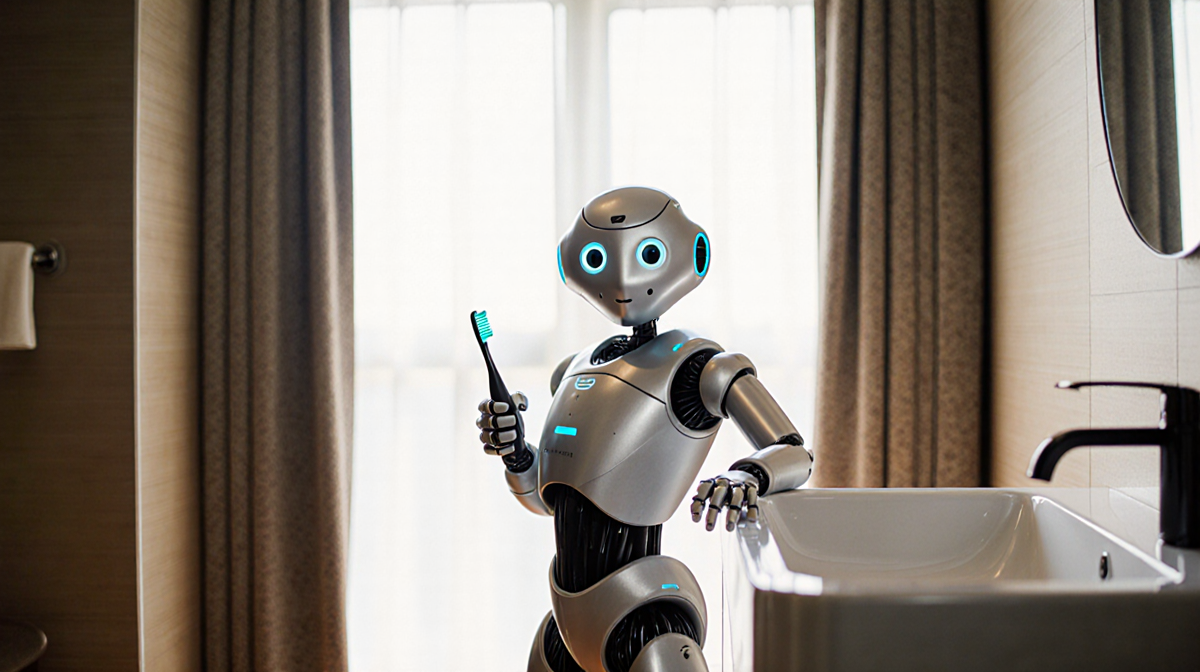
Sprout is roughly the size of a 9-year-old child and comes with a price tag of $50,000. The company says the robot is meant to assist customers in hotels, shops, and restaurants, acting as a butler that can bring toothbrushes and other items to guests.
Features and Capabilities
Sprout is engineered to be easy to program and highly adaptable:
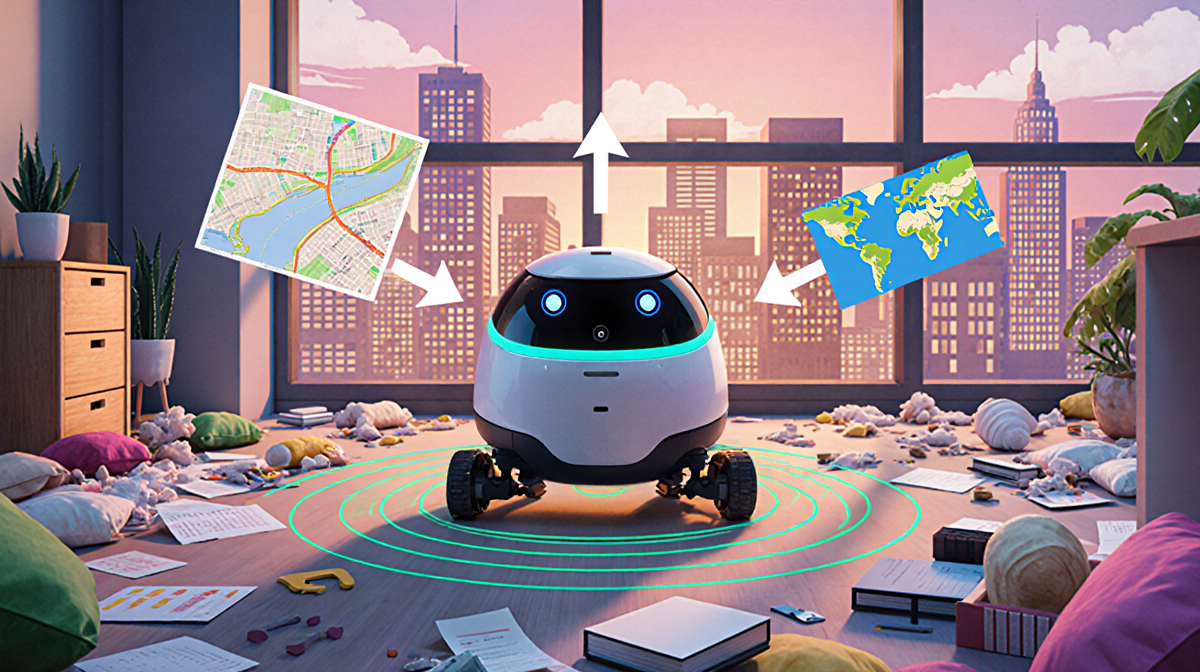
- Autonomous navigation: It can scan its environment, walk around obstacles, and map indoor spaces.
- Language model integration: The robot can process natural language commands via an LLM.
- Teleoperation: Operators can control Sprout from the box, useful for training and demonstrations.
- Mechanical eyebrows: Designed to express interest, surprise, or confusion, enhancing human interaction.
- Balance recovery: Proprietary tech helps the robot regain balance if it stumbles.
- Software libraries: Developers can access tools to program real-time behaviors and integrate sensors.
Market Position
The humanoid robot industry is growing in the United States, with more than a dozen companies working on similar systems. Boston Dynamics, Tesla, Agility Robotics, Figure AI, and 1X.Unitree are among the competitors. Unitree sells inexpensive humanoids for entertainment and research, with some models priced below $20,000. When fully equipped with sensors and computers, Unitree’s robots cost roughly the same as Sprout.
| Robot | Base Price | Fully Equipped Price |
|---|---|---|
| Sprout | $50,000 | $50,000 |
| Unitree (basic) | <$20,000 | ~$50,000 |
Customers and Use Cases
Fauna’s first customers include:
- Disney, which already uses robots in some theme parks.
- Boston Dynamics, known for legged industrial robots and larger humanoids.
- Scientists at New York University, who are using Sprout to research robotic manipulation and human-to-robot interaction.
Design Philosophy
“We said, ‘What if we could build something lightweight, engaging, and safe to be around, and capable enough to do some exciting things?'” says Robert Cochran, cofounder and CEO of Fauna. Cochran notes that Sprout is designed with human interaction in mind, which is why it comes with expressive eyebrows and is easy to program.
Demo Highlights
During a demo, Cochran asked Sprout to check the contents of a fridge. Using an LLM, the robot walked over to a corner of the office, peered through the glass door, and reported finding several sodas. The robot’s behavior was described as “not unlike a truculent 9-year-old” as it trundled back.
Future Outlook
Cochran believes that the first market for humanoid robots may be the entertainment and service industries. “You can kind of get a ‘Hello World’ example of a robot where you can talk to and autonomously map and navigate its environment effectively,” he says. “And from there, the world’s your oyster.”
Key Takeaways
- Sprout offers a service-oriented humanoid experience at a price point comparable to fully equipped Unitree models.
- Its design prioritizes safety, expressiveness, and ease of programming.
- Early adopters include Disney, Boston Dynamics, and academic researchers.
- The robot’s autonomous navigation and language model integration position it well for hospitality applications.
Sprout’s entry into the market signals a broader trend toward humanoid robots that can perform everyday tasks and interact naturally with people, potentially reshaping the service industry.