

At a Glance
- Starlink will lower 4,400 satellites from 342 to 298 miles.
- The move follows a near miss with a Chinese satellite.
- A solar minimum and collision risk drive the change.
- Why it matters: It reduces collision chances in a crowded low-Earth orbit, protecting satellites and future launches.
By Natalie A. Brooks for News Of Fort Worth
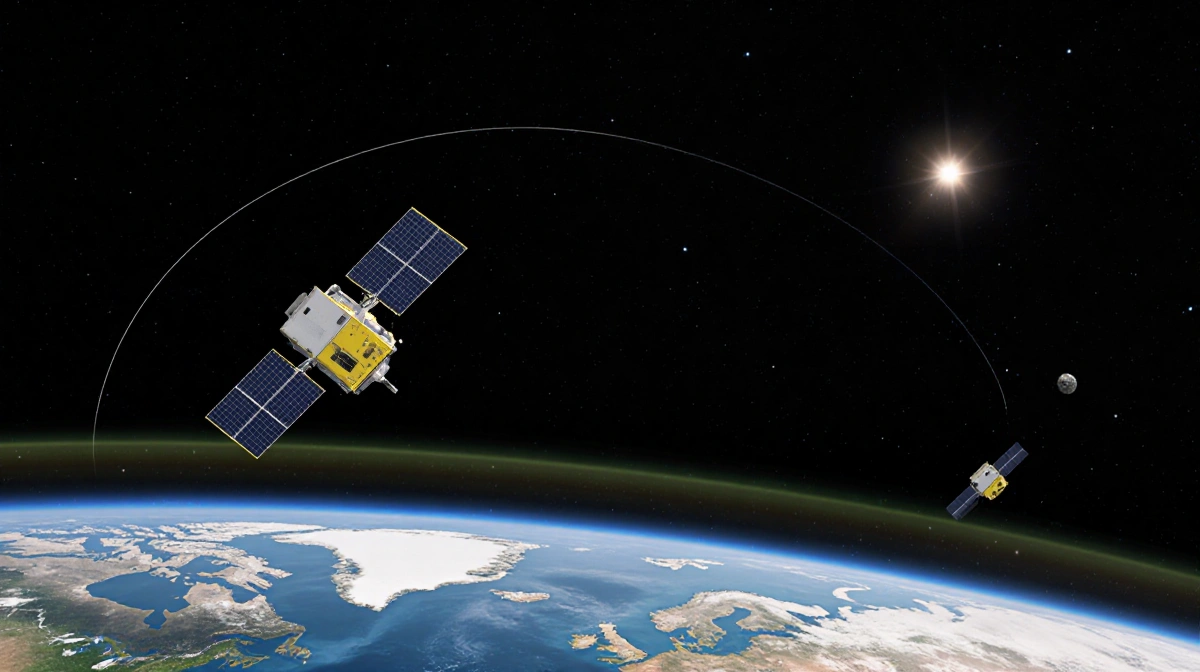
Starlink announced it will lower the orbit of roughly 4,400 of its satellites, cutting their altitude from about 342 miles to 298 miles. The decision comes after a near miss with a Chinese satellite and amid concerns about increasing congestion in low-Earth orbit. The company said the move will reduce collision risk and shorten satellites’ orbital decay times.
Why the Change?
Starlink engineering VP Michael Nicholls said the new configuration would condense the constellation and lower the aggregate likelihood of collision. He also cited the current solar minimum, which reduces atmospheric drag but keeps satellites in orbit longer, as a factor.
Michael Nicholls said:
> “Lowering satellites results in condensing Starlink orbits, and will increase space safety in several ways, including by reducing the aggregate likelihood of collision.”
Michael Nicholls added:
> “This needs to change.”
- Condense orbits to reduce collision likelihood.
- Solar minimum extends orbital lifetime; lowering altitude speeds decay.
- Reduce risk to other operators like the International Space Station.
Recent Incidents and Satellite Traffic
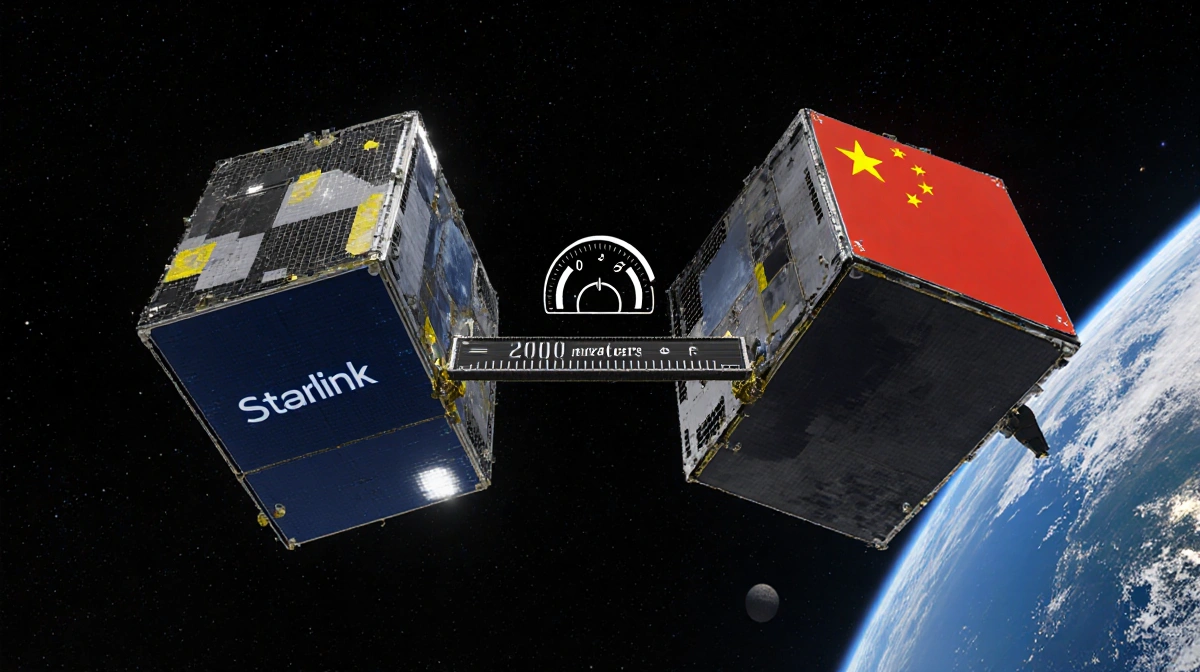
In early December, a Starlink satellite came within about 200 meters of a Chinese satellite that had been launched nine days earlier. Nicholls blamed a lack of coordination between operators and called for change.
| Metric | Before | After |
|---|---|---|
| Altitude | 342 miles | 298 miles |
| Number of satellites lowered | 4,400 | 4,400 |
| Total constellation | >9,000 | >9,000 |
There are nearly 12,000 active satellites in orbit, with thousands more nonfunctional.
Starlink’s move follows an anomaly that caused a satellite to tumble from 260 miles, which the company said would disintegrate harmlessly.
Key Takeaways
- The altitude reduction cuts collision risk in low-Earth orbit.
- Solar minimum and congestion are key drivers of the change.
- The move protects other operators and the International Space Station.
The altitude reduction marks a significant step toward safer low-Earth orbit operations amid growing satellite traffic.