

At a Glance
- States will receive $10B for rural health care next year.
- Funding tied to Trump-era policies and can be clawed back.
- Average 2026 award is $200M.
- Why it matters: This could reshape rural hospital funding and push states toward policy changes.
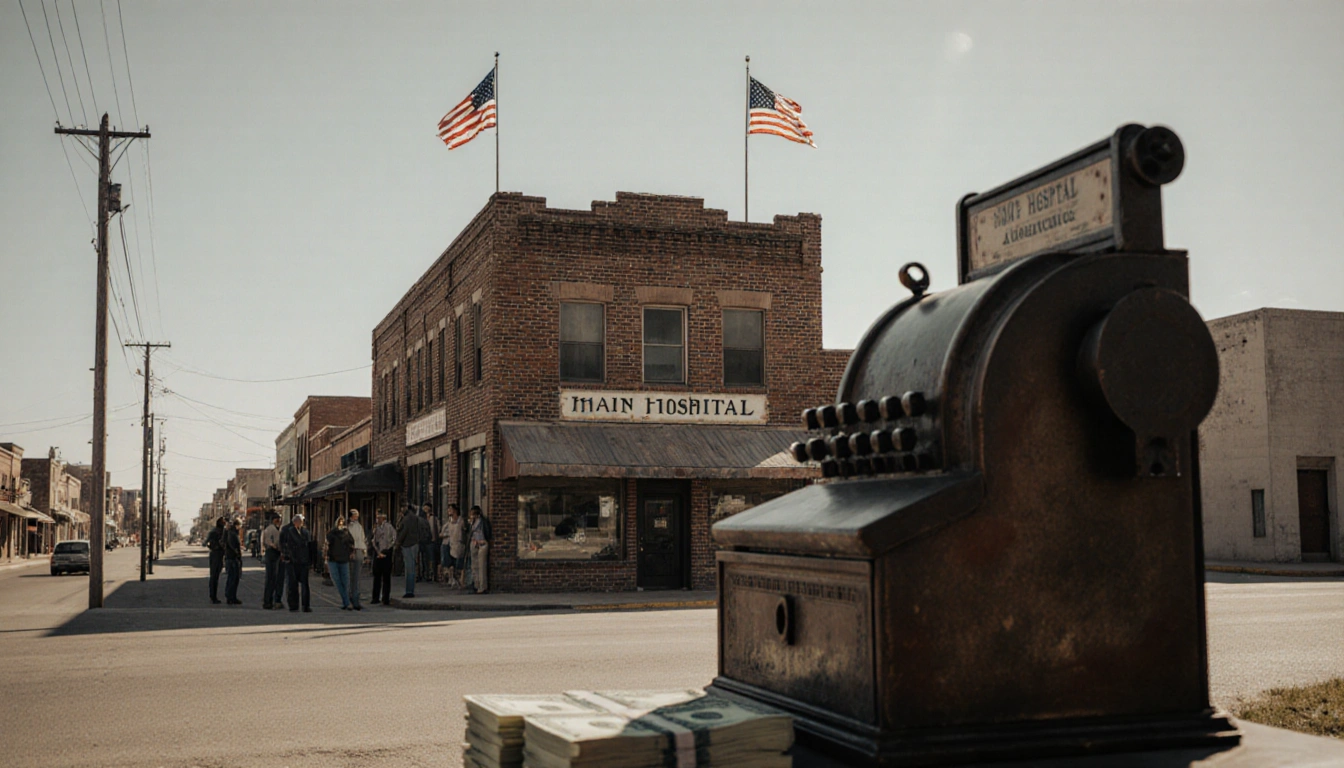
A new Rural Health Transformation Program will distribute $10B to states next year, but the money comes with conditions that could lead to clawbacks if states fail to adopt certain Trump-era health policies.
Funding Structure and Conditions
The program, part of the One Big Beautiful Bill signed six months ago, allocates a total of $50B over five years. Half of the money is distributed equally among states; the other half is awarded based on a formula that considers rural population size, the financial health of state medical facilities, and health outcomes.
- Equal share: 50% of $50B.
- Formula-based share: 50% of $50B, weighted by population, facility health, outcomes.
- $12B of the five-year funding is tied to implementation of policies from the Make America Healthy Again initiative.
| Distribution Type | Share of $50B | Criteria |
|---|---|---|
| Equal share | 50% | Per state |
| Formula-based share | 50% | Rural population, facility health, outcomes |
| Policy-linked share | $12B | Implementation of Make America Healthy Again initiatives |
Examples of required policies include nutrition education for health care providers, school participation in the Presidential Fitness Test, and bans on using SNAP benefits for junk foods.
Several Republican-led states-Arkansas, Iowa, Louisiana, Nebraska, Oklahoma, and Texas-have already adopted SNAP bans.
The money is recalculated annually, allowing the administration to claw back funds if state leaders do not pass promised policies.
Dr. Mehmet Oz stated:
> “I’ve already heard governors express that this is not a threat, that this is actually an empowering element of the One Big Beautiful Bill.”
Oz said the clawbacks are not punishments but leverage that governors can use to push policies by pointing to potential loss of millions.
Critics Question Adequacy
Carrie Cochran-McClain, chief policy officer with the National Rural Health Association, said she has heard Democratic-led states refuse to include SNAP restrictions, even though it could hurt their chance to get more money. She added, “It’s not where their state leadership is.”
Experts say the $50B fund is insufficient to offset the $137B loss rural hospitals face over the next decade due to the federal spending law’s $1.2T cut, primarily from Medicaid.
Rep. Don Bacon said:
> “That’s why we added a $50 billion rural hospital fund, to help any hospital that’s struggling. This money is meant to keep hospitals afloat.”
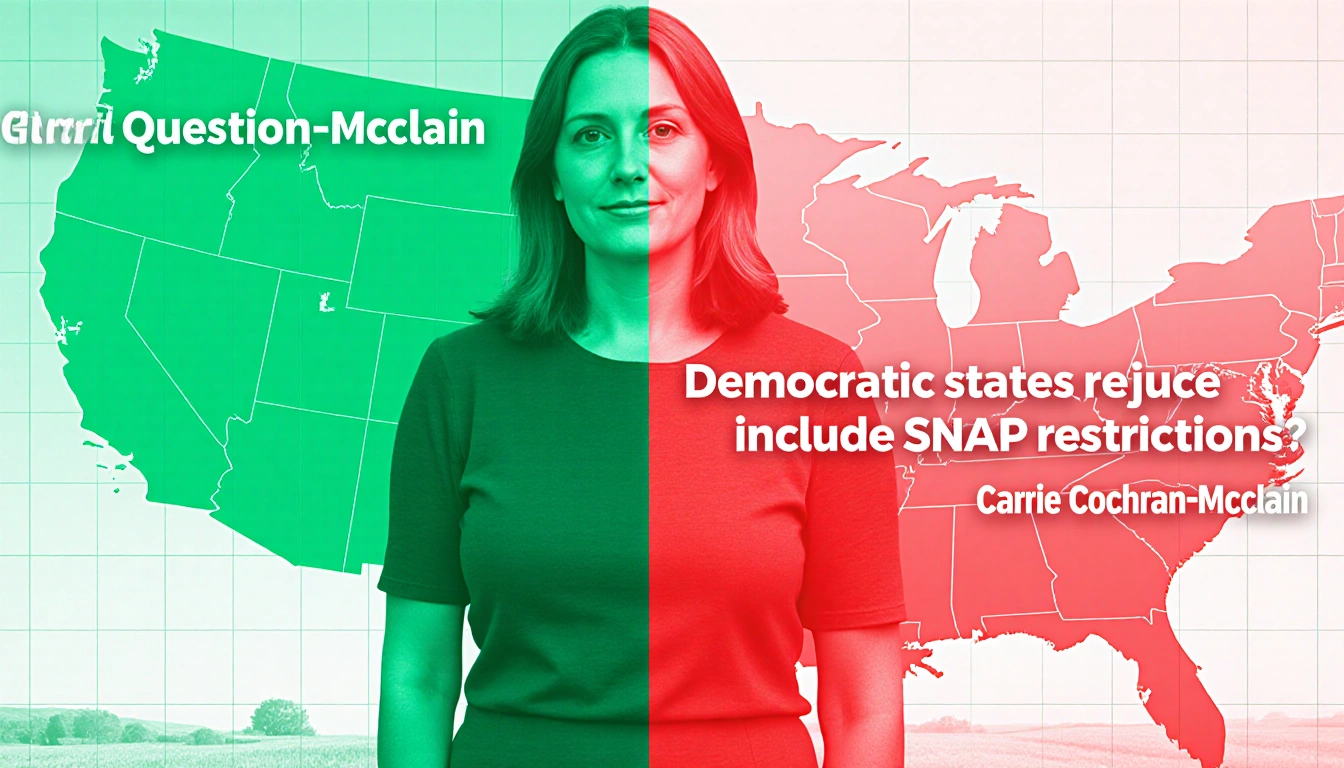
Cochran-McClain noted that the math does not add up, and that there is no guarantee the funding will reach hospitals in need. She cited a state proposal for healthier, locally sourced school lunches as an example.
Even though innovation is a goal, Cochran-McClain said it is almost impossible for hospitals to innovate when they are in crisis mode and concerned about meeting payroll.
Carrie Cochran-McClain said:
> “We talk to rural providers every day that say, ‘I would really love to do x, y, z, but I’m concerned about, you know, meeting payroll at the end of the month.”
> “So when you’re in that kind of crisis mode, it is, I would argue, almost impossible to do true innovation.”
Key Takeaways
- $10B will be distributed to states, but conditions may lead to clawbacks.
- The $50B fund is a fraction of the $137B loss rural hospitals face.
- Innovation and hospital survival depend on meeting policy requirements and securing funding.
The program’s promise of increased rural health funding is tempered by policy requirements and concerns about adequacy, leaving state leaders and hospitals to weigh the trade-offs.