

At a Glance
- Oscar nominations saw several high-profile snubs, including Ariana Grande and Paul Mescal.
- Delroy Lindo earned a long-overdue first nomination for “Sinners.”
- The list also highlighted surprising nods for Kate Hudson and Amy Madigan.
Why it matters: The Oscars are the industry’s most visible awards, and unexpected omissions or inclusions can shift careers and spotlight overlooked films.
The 96th Academy Awards announced a roster of nominees that left many fans and industry insiders stunned. While some expected names were missing, others received nods that seemed to defy prediction. The shake-up offers a glimpse into the Academy’s evolving tastes and the politics of recognition.
Major Snubs
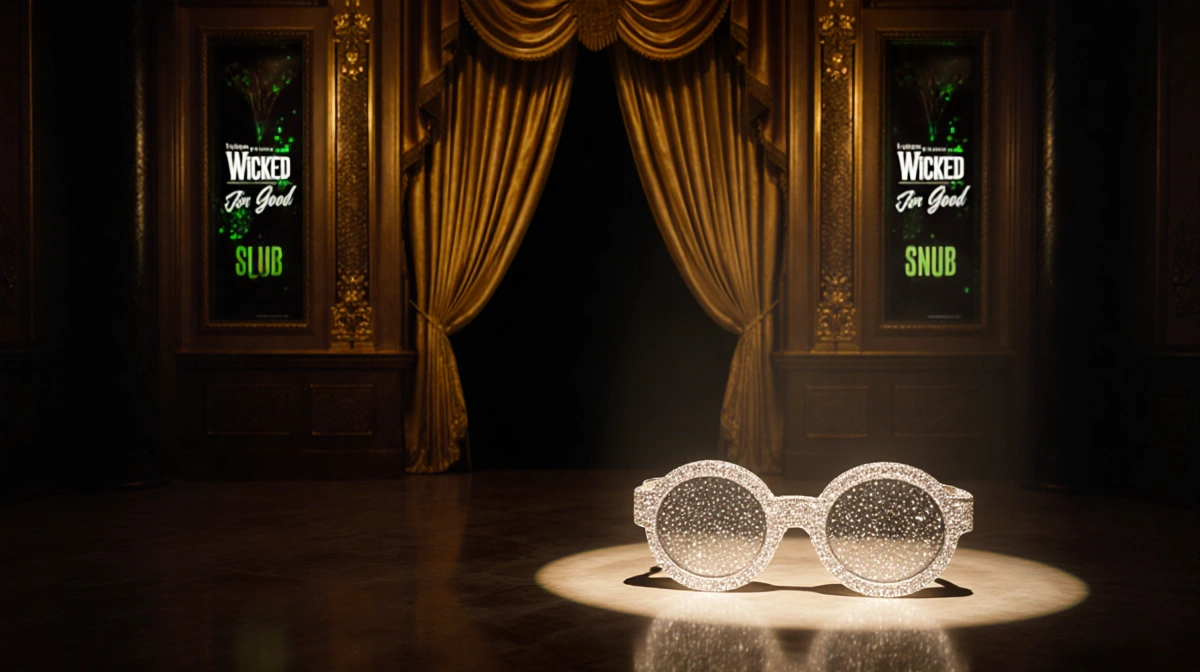
Ariana Grande – “Wicked: For Good”
The sequel to the 2015 hit “Wicked” earned no nominations, a stark contrast to the original’s 10 nominations. Grande, who played Glinda, was widely anticipated to secure a supporting-role nod. Critics noted that the film’s darker tone and mixed reviews may have influenced the Academy’s decision, leaving Grande without a category she had been expected to dominate. The omission also highlighted how sequels can struggle to capture the same critical enthusiasm as their predecessors.
Paul Mescal – “Hamnet”
Mescal’s portrayal of a grieving father in “Hamnet” was not recognized with a nomination, despite his previous Oscar success in 2023 for “Aftersun.” The film’s intimate storytelling and Mescal’s nuanced performance were praised across festival circuits, yet the Academy chose other actors for the supporting-actor category. The decision surprised many, as Mescal had been positioned as a “sure thing” by several prediction lists.
Guillermo del Toro – “Frankenstein”
The director of “The Shape of Water” and “Pan’s Labyrinth” was overlooked for best director for “Frankenstein,” a project that garnered nine other nominations. Instead, Joachim Trier received the nod for “Sentimental Value.” This was the first time del Toro had been nominated for best director since his 2018 win, highlighting a potential change in the Academy’s recognition of auteur filmmakers. The choice sparked debate among fans who had expected the seasoned director to be honored for his passion project.
Chase Infiniti – “One Battle After Another”
Infiniti’s debut performance as Willa, a teen caught in a perilous family situation, did not earn a nomination. The film, directed by Paul Thomas Anderson, was critically acclaimed, and Infiniti’s role was central to its emotional impact. Her absence from the nominee list underscores the difficulty newcomers face in breaking through, even when their work is lauded by critics and audiences alike.
Amanda Seyfried – “The Testament of Ann Lee”
Seyfried, who played Shakers founder Ann Lee, was not included in the leading-actress category. The film’s exploration of religious history and Seyfried’s visceral portrayal received praise, but the Academy chose to overlook her in favor of other performances. This snub adds to her growing list of under-recognition, especially after her 2022 nomination for “Mank,” where she played Marion Davies.
Jafar Panahi – “It Was Just an Accident”
The Iranian director’s revenge drama earned Palme d’Or nominations but was omitted from best picture and best director. Panahi’s film was shot clandestinely in Iran following a seven-month imprisonment and a hunger strike. A Tehran court sentenced him to a year in prison in absentia and imposed a two-year travel ban, adding political context to the snub. The Academy’s decision has been criticized by some as ignoring a film that faced significant production challenges.
“Demon Slayer: Kimetsu no Yaiba Infinity Castle”
The anime, which grossed $722 million worldwide, was overlooked in the animation category. Despite its massive box-office success and critical acclaim, the Academy’s long history of ignoring anime continued, leaving fans disappointed. The omission has sparked conversations about the inclusion of non-Western media in award categories.
Jesse Plemons – “Bugonia”
Plemons’ raw turn as a conspiracy theorist in “Bugonia” was not recognized with a best-actor nomination. The film’s tense narrative and Plemons’ performance were noted by critics, yet the Academy chose other actors for the category, including Ethan Hawke for “Blue Moon.” The decision highlighted how genre films often struggle to gain recognition in major categories.
“F1”
The Formula One racing film, produced by Apple, did not receive a best-picture nomination. While the film’s high-speed action and technical detail were praised, it was absent from the top category, reflecting the Academy’s preference for more traditional dramas. The omission was seen by some as a missed opportunity to recognize a film that brought a new genre to the Oscars.
“Jay Kelly”
Noah Baalmch’s comedy, a loving ode to the film industry, earned no nominations. Despite its witty script and strong performances, the Academy did not include it in any category, a decision that surprised fans of Baalmch’s work. The film’s lack of recognition has led to discussions about the Academy’s criteria for comedy films.
Unexpected Nominations
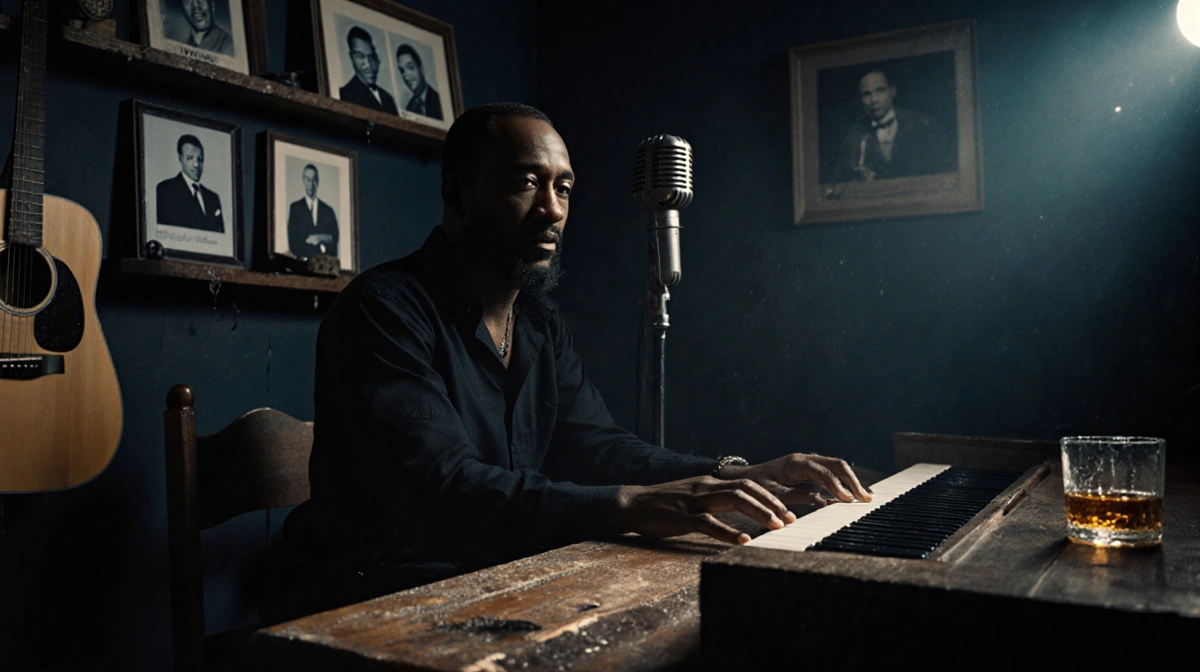
Delroy Lindo – “Sinners”
Lindo’s portrayal of Delta Slim earned him his first Oscar nomination. The role, a hard-drinking blues legend, showcased his range and earned industry acclaim. The nomination came at the expense of other expected nominees, signaling the Academy’s willingness to spotlight overlooked talent. Lindo’s nod was celebrated by fans who had long advocated for his recognition.
Kate Hudson – “Song Sung Blue”
Hudson’s performance as Claire Sardina, part of a Neil Diamond tribute act, secured a best-actress nomination. The campaign and public goodwill surrounding her role contributed to the nomination. This marks her first nomination in 25 years, following “Almost Famous.” Hudson’s win has been hailed as a vindication of her career longevity.
Amy Madigan – “Weapons”
Madigan’s role in the horror film “Weapons” earned her a supporting-actress nod, a move that acknowledged the Academy’s growing acceptance of genre films. The nomination also highlighted the broader trend of recognizing diverse storytelling. Madigan’s performance was praised for its depth, bringing nuance to a character in a horror setting.
Behind the Scenes
The Academy’s choices reflect a mix of artistic judgment, campaigning, and industry politics. Some snubs may be tied to the films’ reception among critics and audiences, while others point to the influence of advocacy groups and public sentiment. The inclusion of actors like Lindo and Hudson underscores the Academy’s willingness to broaden its focus beyond mainstream blockbusters. Analysts note that the Academy’s evolving criteria may be influenced by changing audience tastes and the rise of streaming platforms.
Takeaways
- The Oscars continue to evolve, embracing a wider range of genres and performances.
- High-profile snubs remind stakeholders that nominations are not guaranteed, even for celebrated artists.
- Campaigns and public support can still play a decisive role in securing nominations.