

At a Glance
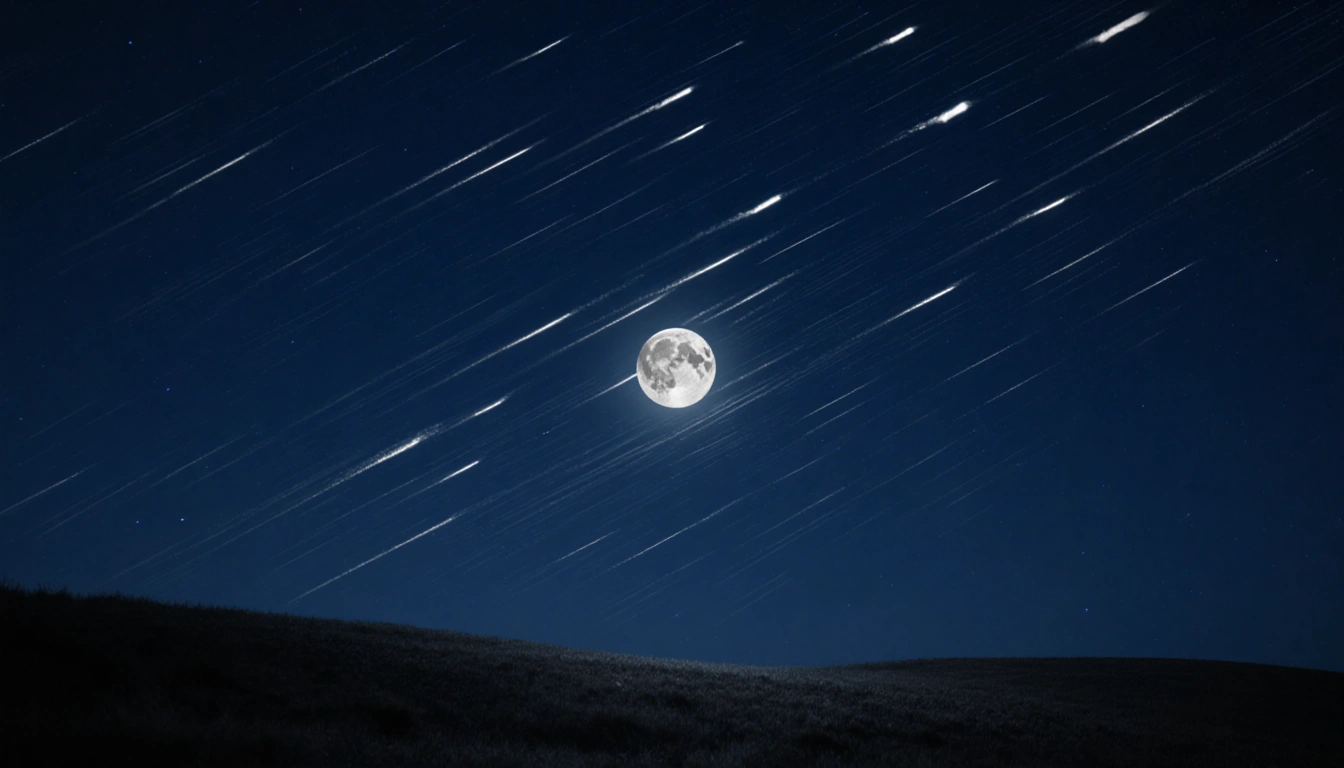
- A bright supermoon on Saturday will dim the Quadrantid meteor shower, dropping expected rates from 25 to under 10 meteors per hour.
- The Quadrantids peak Friday night into Saturday morning, a rare overlap with a supermoon.
- Supermoons appear up to 14% larger and 30% brighter than a normal full moon.
- Why it matters: Stargazers in the Northern Hemisphere may miss the usual fireball display because of the moon’s glare.
In January, skywatchers will face a unique celestial clash: the Quadrantid meteor shower’s peak coincides with a bright supermoon. The extra light from the moon will reduce the number of visible meteors, making the event less spectacular than usual.
Meteor Shower Meets Moon
The Quadrantids, which typically produce about 25 meteors per hour in dark skies, are expected to deliver fewer than 10 per hour because of the supermoon’s glare.
Mike Shanahan, planetarium director at Liberty Science Center, said:
> “The biggest enemy of enjoying a meteor shower is the full moon.”
- Peak occurs Friday night into Saturday morning.
- Visible mainly from the Northern Hemisphere.
- Best viewing times are before moonrise and after moonset.
Supermoon Details
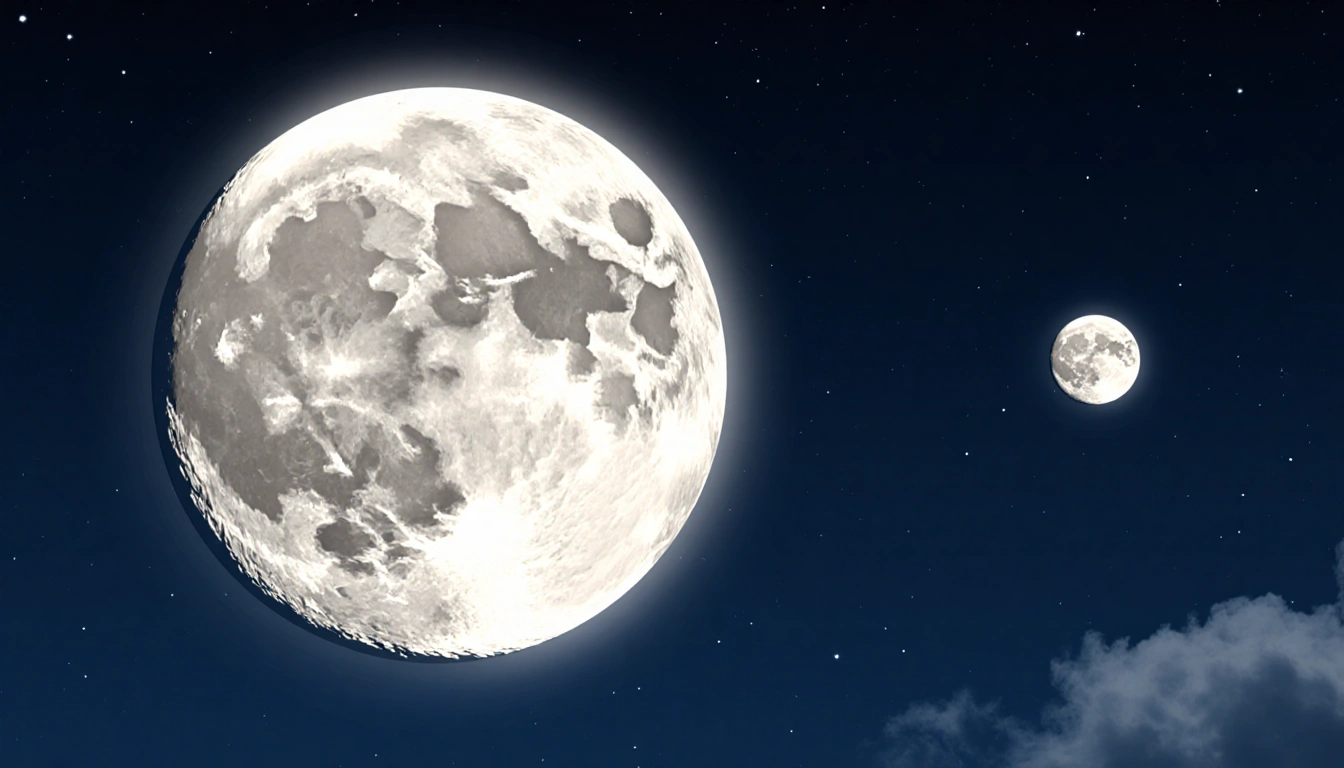
A supermoon happens when a full moon is closer to Earth, making it up to 14% bigger and 30% brighter than the faintest moon of the year, NASA says.
| Feature | Normal Full Moon | Supermoon |
|---|---|---|
| Apparent Size | 0.5° | up to 0.57° (14% larger) |
| Brightness | 1× | up to 1.3× (30% brighter) |
| Visibility | Every night | Every night |
Saturday’s supermoon ends a four-month streak that began in October. The next supermoon won’t appear until the end of 2026.
Jacque Benitez of the Morrison Planetarium advised:
> “Wait for your eyes to get used to the darkness, and don’t look at your phone. The space rocks will look like fast-moving white dots and appear over the whole sky.”
Key Takeaways
- The supermoon will cut the Quadrantid meteor shower’s visibility from 25 to under 10 meteors per hour.
- The event peaks Friday night into Saturday morning, offering a rare overlap.
- The supermoon is up to 14% larger and 30% brighter than a normal full moon.
The bright moon may dim the usual fireball display, but careful timing and a dark, clear sky can still offer a memorable stargazing experience.