
Supreme Court blocks Trump’s National Guard deployment in Chicago, a rare setback for the president after a two-month review.
Court Decision and Background
On Tuesday, the Supreme Court refused to allow the Trump administration to deploy National Guard troops in the Chicago area to support its immigration crackdown. The justices declined the emergency request to overturn a ruling by U.S. District Judge April Perry that had blocked the deployment. An appeals court had also refused to step in. The high-court order is not a final ruling but could affect other lawsuits challenging President Donald Trump’s attempts to deploy the military in other Democratic-led cities.
Three justices-Samuel Alito, Clarence Thomas and Neil Gorsuch-publicly dissented.
Statements from Illinois Officials
Illinois Attorney General Kwame Raoul said he was “pleased that the streets of Illinois will remain free of armed National Guard members as our litigation continues in the courts.” He added, “Nearly 250 years ago, the framers of our nation’s Constitution carefully divided responsibility over the country’s militia, today’s U.S. National Guard, between the federal government and the states – believing it impossible that a president would use one state’s militia against another state. The extremely limited circumstances under which the federal government can call up the militia over a state’s objection do not exist in Illinois.”
Governor J.B. Pritzker called the order a “big win for Illinois and American democracy” and an “important step in curbing the Trump Administration’s consistent abuse of power and slowing Trump’s march toward authoritarianism.” He warned that “American cities, suburbs, and communities should not have to faced masked federal agents asking for their papers, judging them for how they look or sound, and living in fear that President can deploy the military to their streets.” He also said the National Guard “should never be used for political theater and deserve to be with their families and communities, especially during the holidays, and ready to serve overseas or at home when called upon during times of immense need.”
White House spokeswoman Abigail Jackson said the president had activated the National Guard to protect federal personnel and property from “violent rioters.” She added, “Nothing in today’s ruling detracts from that core agenda. The Administration will continue working day in and day out to safeguard the American public.”
Context of the Deployment
The administration had initially sought the order to allow deployment of troops from Illinois and Texas, but the Texas contingent of about 200 National Guard troops was later sent home from Chicago. Trump’s administration argued the troops were needed “to protect federal personnel and property from violent resistance against the enforcement of federal immigration laws.” Judge Perry found no substantial evidence that a “danger of rebellion” was brewing in Illinois and no reason to believe the protests had impeded the immigration crackdown. She blocked the deployment for two weeks and, in October, extended the order indefinitely while the Supreme Court reviewed the case.
The U.S. Immigration and Customs Enforcement facility in the west-Chicago suburb of Broadview has been the site of tense protests. Federal agents have previously used tear gas and other chemical agents on protesters and journalists. Last week, authorities arrested 21 protesters and said four officers were injured outside the Broadview facility; local authorities made the arrests.
Other Legal Battles Over National Guard Deployments
The Illinois case is one of several legal battles over National Guard deployments. District of Columbia Attorney General Brian Schwalb is suing to halt the deployments of more than 2,000 guardsmen in Washington, D.C. Forty-five states have filed in federal court in that case, with 23 supporting the administration’s actions and 22 supporting the attorney general’s lawsuit. More than 2,200 troops from several Republican-led states remain in Washington, although the crime emergency Trump declared in August ended a month later.
A federal judge in Oregon permanently blocked the deployment of National Guard troops there, and all 200 troops from California were being sent home from Oregon, an official said. A state court in Tennessee ruled in favor of Democratic officials who sued to stop the ongoing Guard deployment in Memphis; Trump called it a replica of his crackdown on Washington, D.C. In California, a judge in September said deployment in the Los Angeles area was illegal. By that point, just 300 of the thousands of troops sent there remained, and the judge did not order them to leave. The Trump administration has appealed the California and Oregon rulings to the 9th U.S. Circuit Court of Appeals.
Key Takeaways
- The Supreme Court’s ruling blocks the deployment of National Guard troops in Chicago and may influence similar lawsuits nationwide.
- Illinois officials praised the decision, citing constitutional limits on federal use of the militia.
- The administration’s justification-protecting federal personnel from violent resistance-was rejected by Judge Perry, who found no evidence of rebellion.
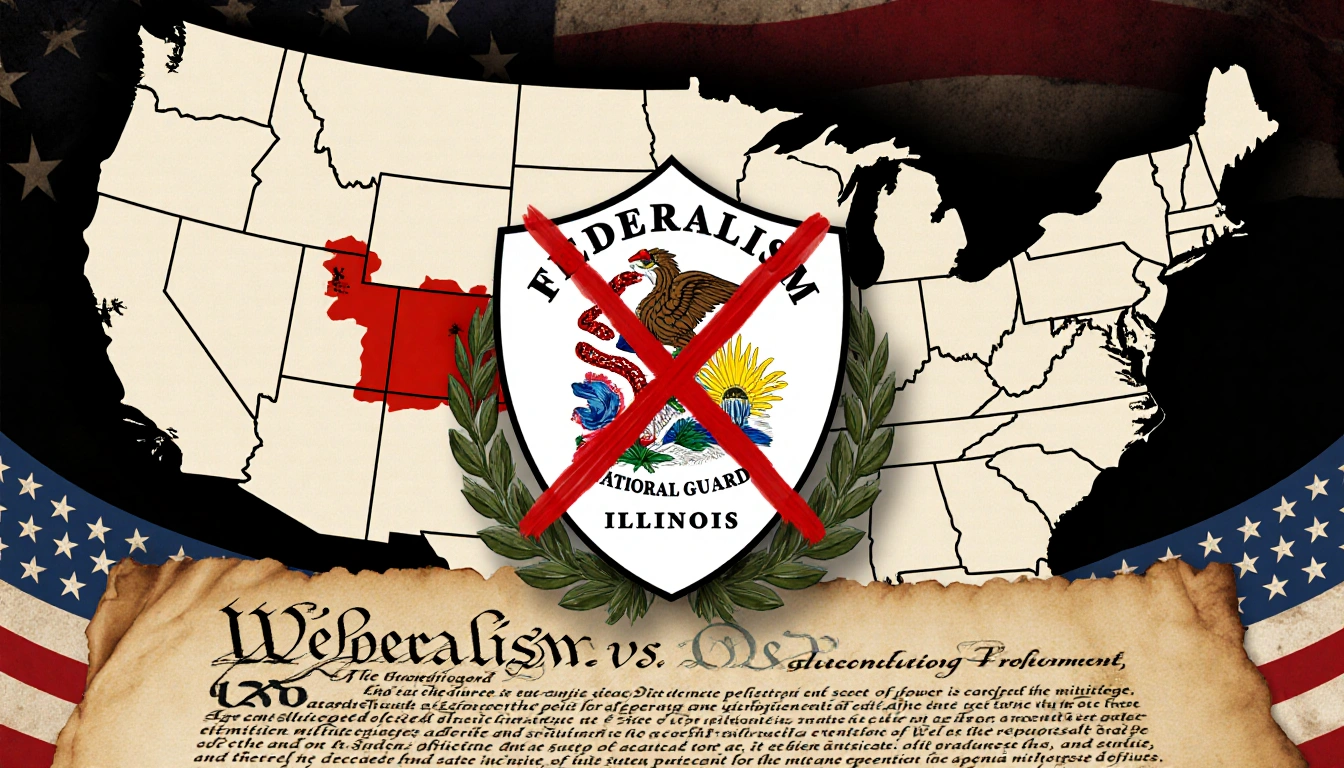
The decision marks a rare Supreme Court setback for President Trump, who has otherwise secured victories in emergency appeals and continued to pursue aggressive immigration and other policies. The legal battles over National Guard deployments continue to unfold across the country.