
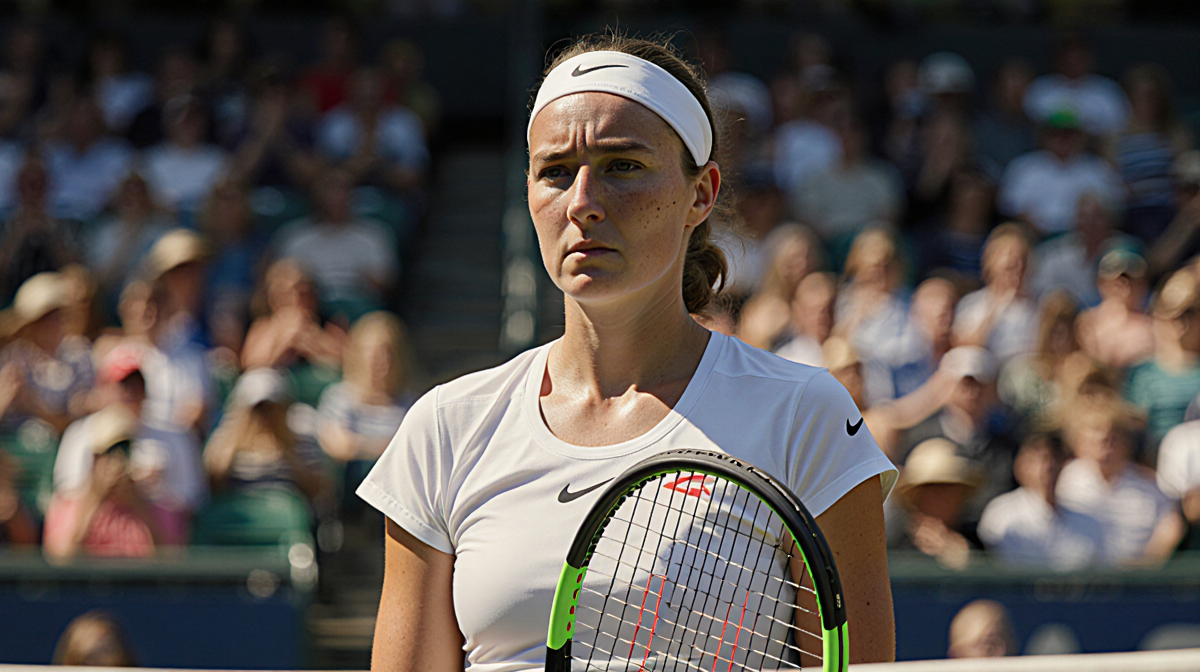

At a Glance
- Players Iga Świątek and Coco Gauff question the extent of camera coverage at the Australian Open.
- Gauff smashed her racket after a quarter-final loss, citing lack of private space.
- Świątek echoed calls for a balance between fan engagement and player privacy.
Why it matters: The debate highlights how modern sports events balance live entertainment with athletes’ right to personal space.
The Australian Open has long been a showcase for tennis’s biggest names, but recent incidents have put the tournament’s extensive camera network under scrutiny. After a quarter-final defeat, Iga Świątek and Coco Gauff publicly discussed the lack of off-camera areas and the impact of constant surveillance on players.
Privacy Debate at the Australian Open
During a post-match interview, Świątek was asked how she feels about the pervasive camera coverage that follows players from locker rooms to the court. She responded with a vivid metaphor, comparing players to “animals in a zoo” that are observed even during private moments. She added that it would be nice to have some privacy and to practice her game without the world watching.
“Yeah, the question is, are we tennis players, or are we, like, animals in the zoo where they are observed even when they poop, you know?” she said, apologizing for the exaggeration. “It would be nice to have some privacy.“
The conversation underscored a growing concern among top players that the tournament’s fan-engagement strategy may be encroaching on their personal space.
Gauff’s Racket Smash Incident
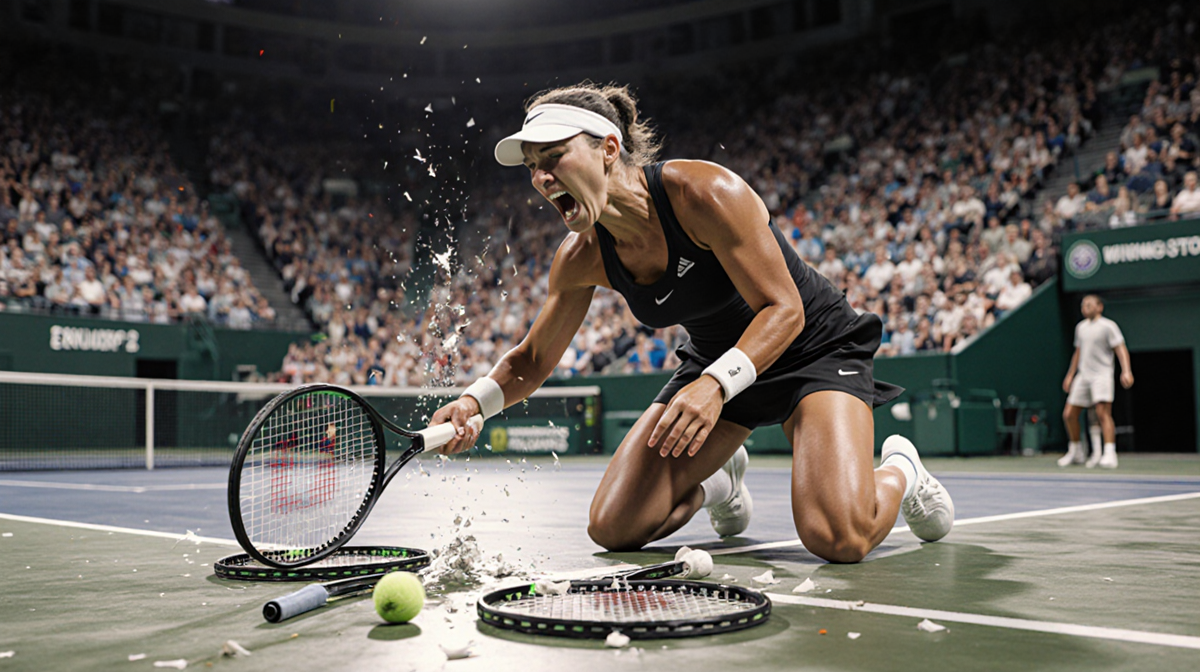
Coco Gauff’s frustration was visible when she smashed her racket on the concrete floor of a ramp near the player area seven times after her quarter-final loss to Elina Svitolina. The incident, captured on camera, went viral and sparked a conversation about where players can vent without being filmed.
She explained that she tried to find a quieter spot to smash her racket, noting that the only place beyond the cameras was the locker room. “Certain moments – the same thing happened to Aryna (Sabalenka) after I played her in the final of the U.S. Open – I feel like they don’t need to broadcast,” Gauff said at the press conference.
She added, “I tried to go somewhere where I thought there wasn’t a camera because I don’t necessarily like breaking rackets.” Gauff’s comments highlighted the lack of private spaces for players to decompress after intense matches.
Players’ Views on Surveillance
Both Świątek and Gauff are among the top three women’s tennis players, making them high-profile figures whose every move is scrutinized. Their remarks reflect a broader sentiment that while the public expects to see players on the court and in the press, the constant media presence extends beyond the court’s boundaries.
Świątek noted that she has moments she wishes she could practice without the world watching, especially before a match. “It’s not our job to be a meme when you forget your accreditation.” she said.
Gauff echoed that sentiment, saying she didn’t want to smash her racket in front of fans because it would look unprofessional. “Maybe some conversations can be had,” she said, “because I feel like at this tournament the only private place we have is the locker room.“
Broader Context of Tournament Surveillance
The Australian Open is not the only major tournament to use extensive camera networks. Other events employ similar surveillance to capture every angle for fans worldwide. Organizers argue that these cameras enhance the viewing experience, but players and some fans argue they blur the line between public performance and private life.
The tournament’s three-week festival around the season-opening major includes fan-engagement activities, but the visibility of players’ off-court moments remains a point of contention. The debate raises questions about how sports events can respect athletes’ privacy while maintaining the immersive experience that fans expect.
Key Takeaways
- Iga Świątek and Coco Gauff have publicly questioned the extent of camera coverage at the Australian Open.
- Gauff’s racket smash incident highlighted the lack of private spaces for players to vent.
- Players feel that while being watched on the court is part of the job, constant surveillance beyond that may be excessive.
- The debate reflects a broader tension between fan engagement and athlete privacy in modern sports.
The conversation continues as the tennis world considers how to balance the spectacle of live sports with the personal boundaries of its athletes.