


> At a Glance
> – Gabrielle Guerrero, 21, needed a new partial-foot prosthesis after her first one wore out
> – Aetna denied coverage twice, calling the device “not medically necessary”
> – Mom paid $7,500 on credit so Guerrero could walk at her December graduation
> – Why it matters: Millions of amputees face insurance denials for mobility devices deemed “cosmetic”
A Texas college senior’s race to replace her deteriorating foot prosthesis turned into a six-month insurance battle that nearly cost her family thousands.
The Crash That Changed Everything
At 15, Guerrero was riding in an off-road vehicle with siblings when it hydroplaned and flipped. Her left foot caught in the door; after two surgeries doctors amputated the front half of her foot, including all toes.
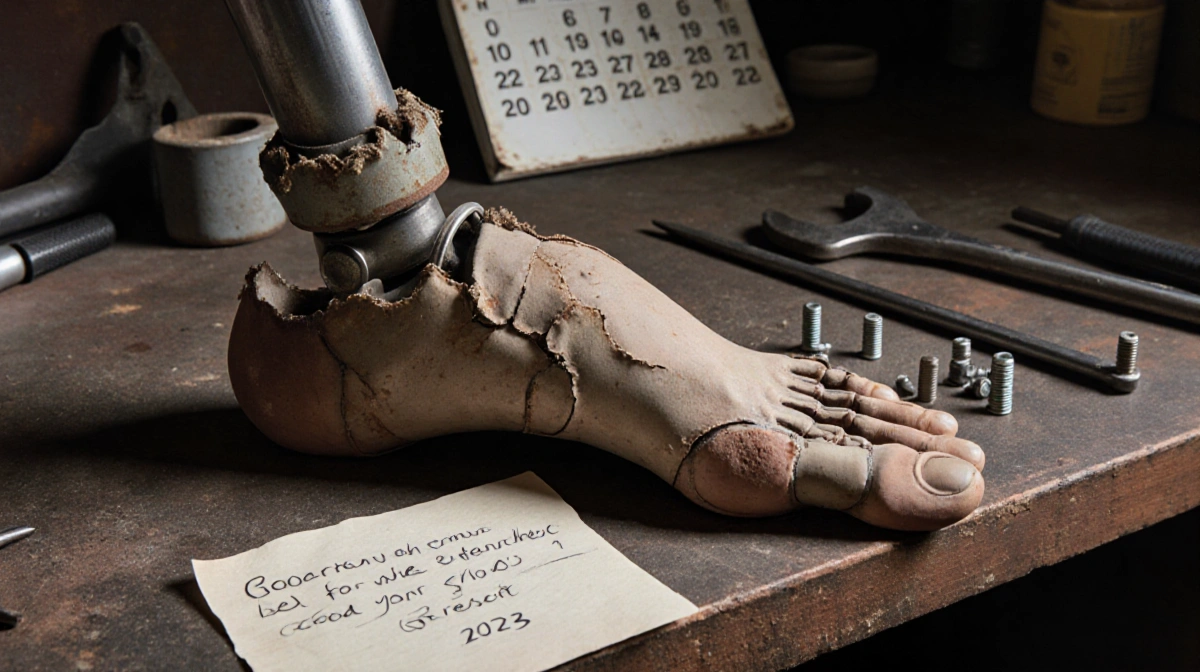
She’s worn a custom carbon-fiber socket ever since. Bare floors feel like walking on bone, she says, but the prosthesis distributes pressure so she can stand, walk, and work out.
Insurance Denies, Clock Ticks
By 2023 the six-year-old device was literally disintegrating-two fake toenails gone, a rear split that let it slip. Guerrero requested a replacement, expecting the same full coverage Aetna had given in 2017.
Instead, Aetna denied the claim, arguing:
- Prosthesis was “improperly coded”
- Devices for “appearance, comfort, or convenience” aren’t medically necessary
- Prescriber “couldn’t answer fundamental questions” in peer review
Guerrero set a deadline: her December graduation where she wanted to walk unaided across the stage. With days left and no approval, her mother charged $7,500 to a credit card so the finished prosthesis could be released.
Denial Reversed After NBC Inquiry
One day after Guerrero graduated-new foot in place-Aetna told News Of Fort Worth it had “more critical information” and the plan sponsor agreed to cover the device. The family received a full reimbursement in time for the holidays.
| Timeline | Event |
|---|---|
| Sept 2023 | First denial letter |
| Nov 2023 | Second denial |
| Dec 2023 | Mom pays $7,500 |
| Dec 2023 | Graduation day |
| Post-grad | Aetna reverses, refunds family |
A Systemic Problem
Insurance denials for prosthetics are routine, says Nicole Ver Kuilen of the Amputee Coalition.
> “It’s not a matter of if you’ll be denied, but when.”
Gerald Stark, president of the American Academy of Orthotists and Prosthetists, adds that nearly every patient gets a refusal.
> “They all get a refusal of care. And so you just learn to write letters.”
At least 25 states now require state-regulated plans to match Medicare-level prosthetic coverage, but gaps remain.
Key Takeaways
- Aetna initially refused a $7,500 partial-foot prosthesis, calling it cosmetic
- Family paid out-of-pocket so Guerrero could walk at graduation
- Insurer reversed the denial and reimbursed the full cost after media inquiry
- Prosthetic denials affect most amputees; advocates say persistence and documentation win appeals
Guerrero’s advice to others facing similar fights: keep calling, bring in extra doctors, and “never give up-eventually they’ll say yes.”