

At a Glance
- Thieves are stealing car radar sensors that control cruise control and collision avoidance
- Resale value for thieves: up to $150
- Replacement cost for owners: $2,000-$3,000
- Honda CRV sensors are especially targeted
- Why it matters: A $50 guard or parking change could save owners thousands
Car owners are facing a costly new theft trend: criminals are swiping small radar sensors that enable safety features like cruise control and collision avoidance. These devices, hidden behind license plates or automaker emblems, can cost owners thousands to replace while fetching thieves only a fraction of that on the resale market.
Caleb R. Anderson reported for News Of Fort Worth that the thefts have become frequent enough to trigger increased police patrols in affected neighborhoods. Surveillance video obtained by the newsroom shows thieves prying the sensors from vehicles in seconds.
What Thieves Want
The sensors power advanced driver-assistance features most motorists rarely notice.
“There’s a lot of bells and whistles on cars that people don’t realize they have,” said Oleg Lurye, production manager at National Auto Body in Rockville, Maryland.
Thieves can resell a stolen sensor for up to $150, according to Lurye. Yet the victim’s bill to replace the component and recalibrate safety systems averages:
- $2,000-$3,000 for most vehicles
- Higher for luxury or heavily integrated systems
Popular Targets
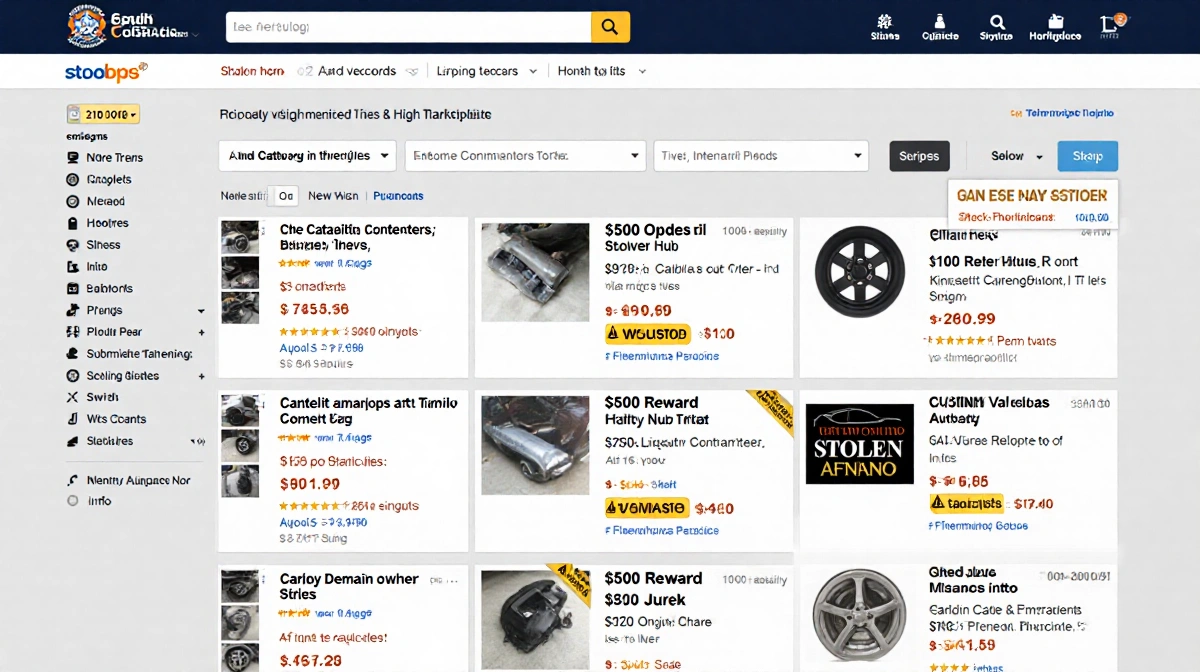
An online search for stolen listings shows demand is highest for:
- Honda CRV radar units
- Toyota and Subaru sensors
- Any module that fits multiple model years
Thieves favor vehicles parked on dark streets or in driveways where they can work unseen.
How to Protect Your Car
Police and body-shop staff recommend layered deterrence:
- Install a radar-sensor guard (online price: up to $50)
- Park in well-lit, well-traveled areas
- Use a locked garage when possible
- Set the factory alarm and add a motion-sensitive dash cam
The guard bolts over the sensor housing, making removal slower and noisier-usually enough to send thieves looking for an easier target.
Repair Reality
National Auto Body technicians say replacement involves more than swapping parts. After a new sensor is installed:
- The unit must be aligned to the vehicle centerline
- Software calibration verifies field of view
- A road test confirms cruise and braking assist work properly
Labor and programming drive much of the $2,000-$3,000 tab.
Key Takeaways
- One stolen sensor costs owners 15-20× what thieves earn
- A $50 guard or simple parking change can eliminate most risk
- Report thefts immediately; serial numbers help police link cases
- Check insurance: some policies now treat sensors as separate high-value parts