
At a Glance
- Three Kings Day is celebrated on January 6, 12 days after Christmas.
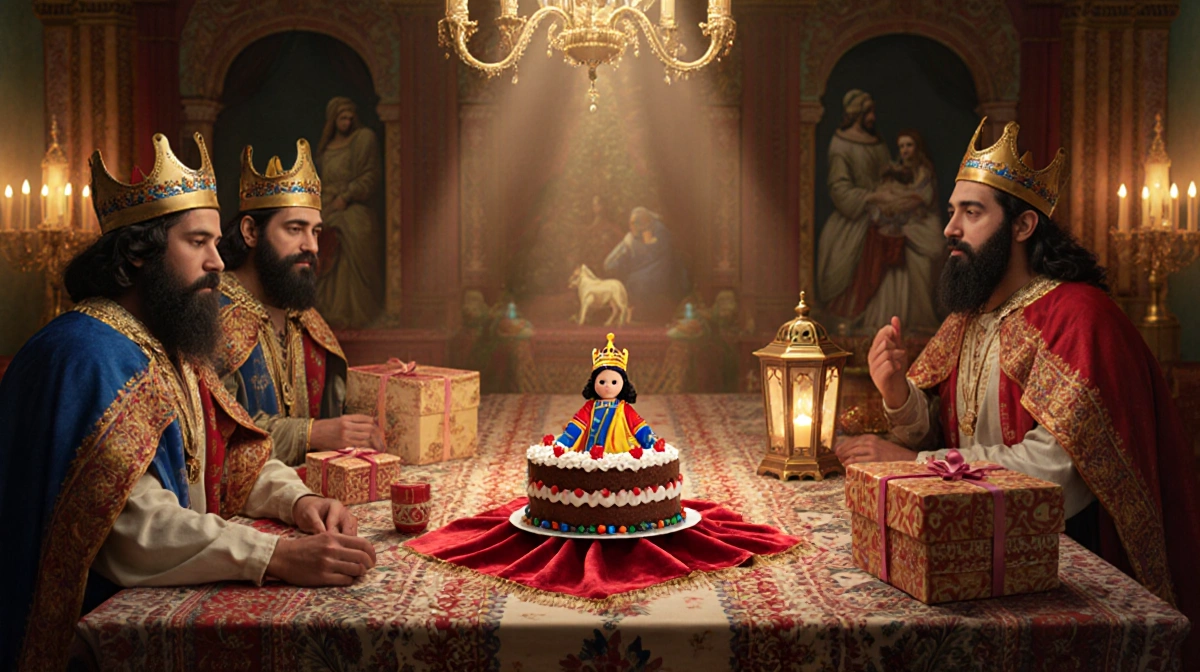
- Traditions feature a hidden baby Jesus doll inside King Cake or Rosca de Reyes.
- The holiday is observed in Spain, Latin America, the Caribbean, France, Poland, and parts of the U.S.
- Why it matters: It illustrates how a Christian feast shapes cultural celebrations worldwide.
Three Kings Day, also known as Día de Los Reyes or the Feast of Epiphany, marks the arrival of the Magi with gifts for baby Jesus. Celebrated on January 6 by Roman Catholics, it concludes the 12 days of Christmas. Orthodox Christians observe Epiphany on January 19.
Symbolism of the Magi’s Gifts
The three gifts-gold, frankincense, and myrrh-carry distinct meanings:
- Gold represents Christ’s royal status and earthly power.
- Frankincense symbolizes His divinity and identity as the Son of God.
- Myrrh refers to Jesus’ mortality and the sacrificial nature of His life.
Celebrations Around the World
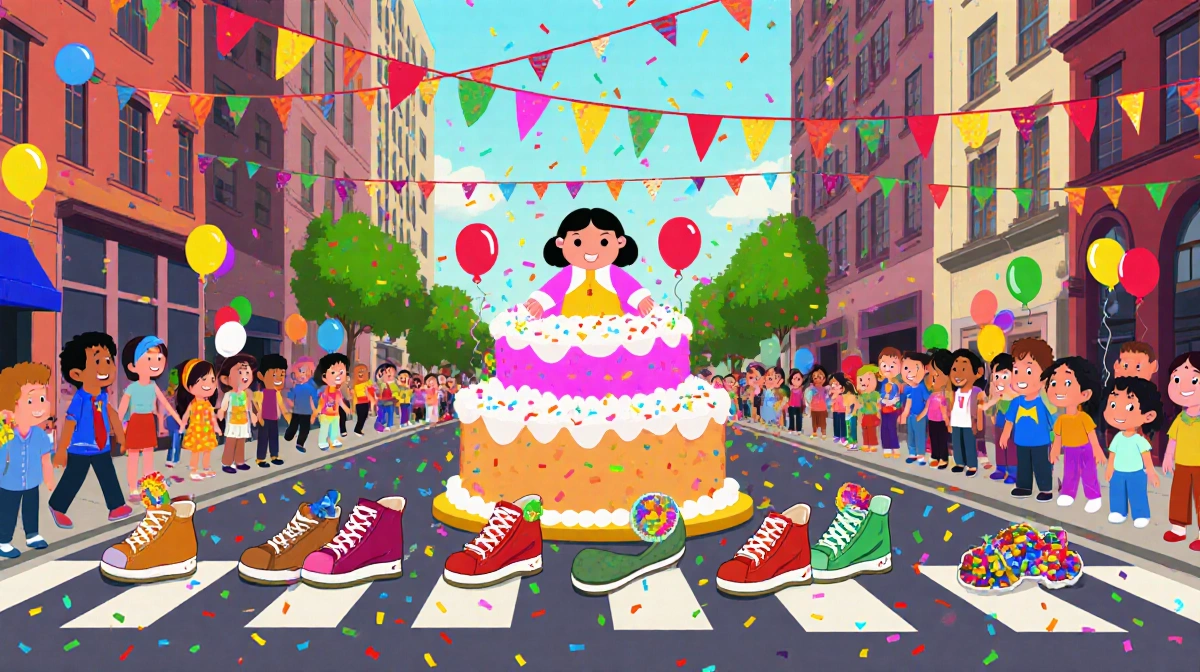
Children leave shoes for the wise men, and in many places, a baby Jesus doll hidden in the cake brings good luck but requires the finder to host a party on February 2 or the next year’s celebration. Parades run through cities such as New York, Madrid, and Uruguay, while the holiday is celebrated by Roman Catholics, Lutherans, Anglicans, and other Christian traditions.
| Tradition | Catholic | Orthodox |
|---|---|---|
| Celebration Date | January 6 | January 19 |
The holiday’s customs-gift-giving, feasts, and the iconic cakes-highlight the blend of religious reverence and festive joy across cultures.
Key Takeaways
- Three Kings Day occurs on January 6 and honors the Magi’s gifts.
- Hidden baby Jesus dolls in cakes symbolize luck and community responsibility.
- Parades and cake traditions spread across Spanish-speaking countries and beyond.
Three Kings Day reminds us that a single Christian feast can unite diverse cultures in shared celebration and tradition.