
At a Glance
- TikTok Shop’s search algorithm repeatedly suggested Nazi-themed jewelry after a simple query for “hip-hop jewelry.”
- A $8 swastika necklace marketed as “hiphop titanium steel pendant” went viral in late December before removal.
- Follow-up searches surfaced terms like “ss necklace,” “hh necklace,” and “german ww2 necklace.”
- Why it matters: Young shoppers browsing for affordable accessories are steered toward hate symbols, raising safety and moderation concerns on one of the world’s most-downloaded apps.
TikTok’s in-app marketplace is under scrutiny after its recommendation engine steered users searching for inexpensive jewelry toward products adorned with Nazi imagery. An investigation by Cameron R. Hayes for News Of Fort Worth reveals how the platform’s algorithmic suggestions created a rabbit hole of extremist merchandise.
How One Search Spiraled Into Hate Symbols
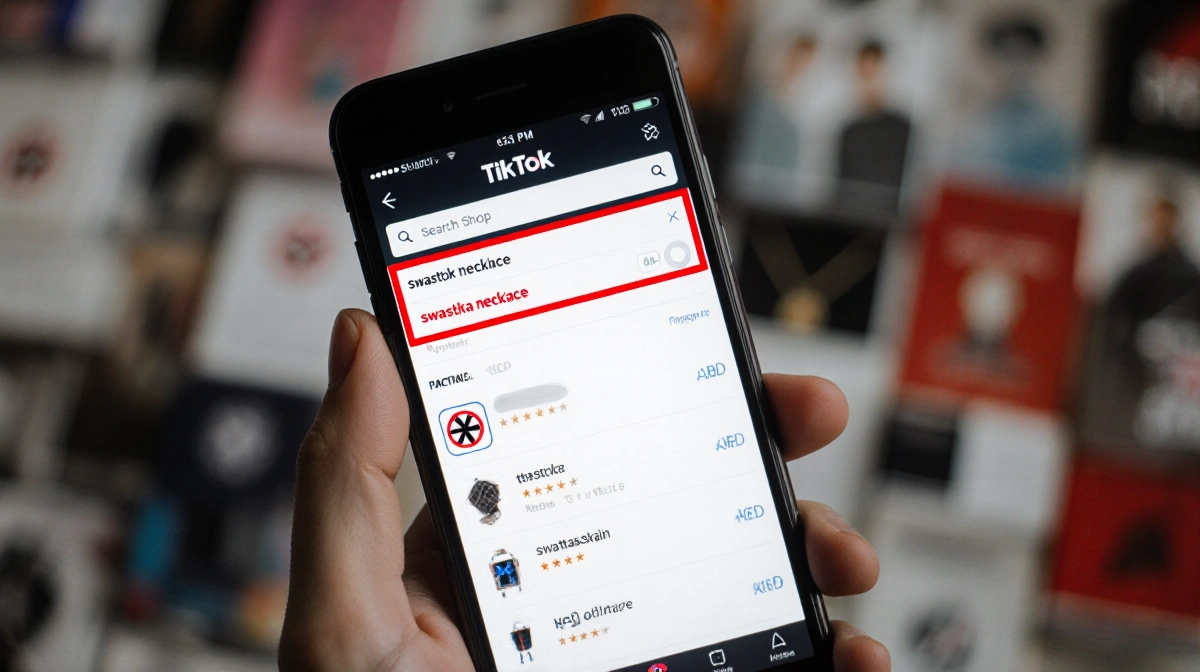
The path began with a mundane query: “hip hop jewelry.” Within minutes, TikTok Shop’s “Others searched for” boxes offered “swatika jewelry”-a misspelled but unmistakable reference-alongside an $11 rhinestone chain set. Tapping that term triggered even more overt suggestions:
- “german ww2 necklace”
- “double lighting bolt necklace”
- “ss necklace”
- “hh necklace”
- “german necklace swastik”
Each suggestion appeared beside thumbnail images, nudging shoppers deeper toward extremist iconography.
The Swastika Necklace That Sparked Outrage
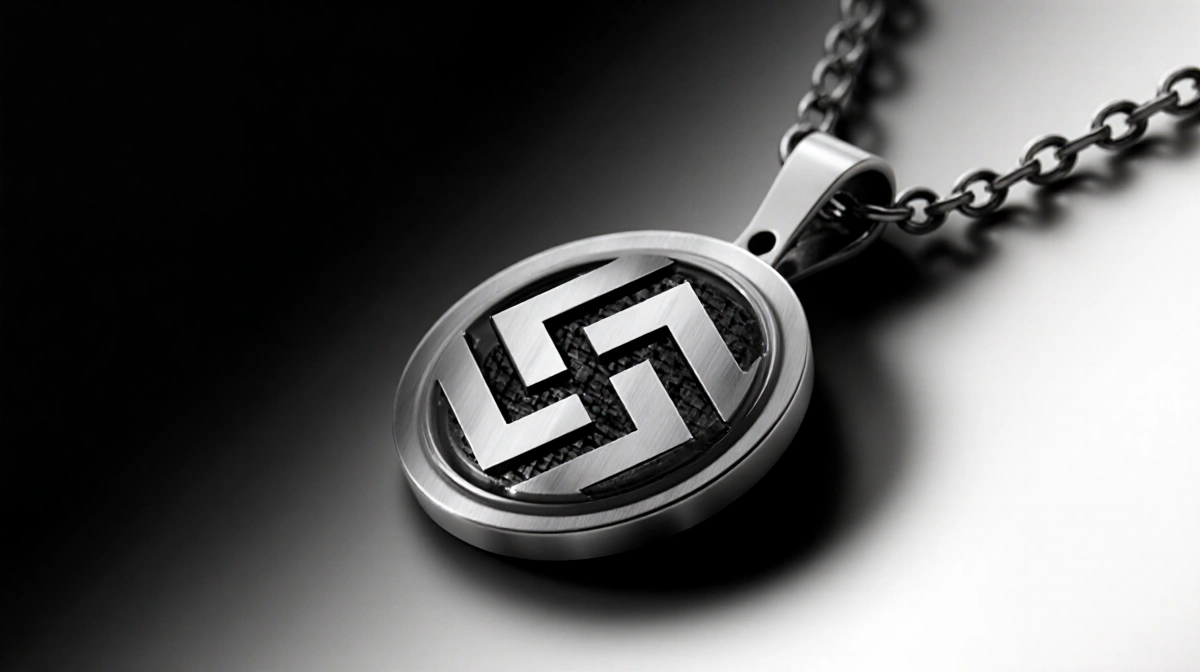
In late December, users scrolling their For You feeds were promoted a $8 necklace bearing a swastika. Listed as “hiphop titanium steel pendant,” the piece triggered viral screenshots and widespread criticism. TikTok removed the listing, but not before it had been served to an unknown number of users.
Glenn Kuper, TikTok spokesperson, confirmed to News Of Fort Worth that such search suggestions breach company policy and stated moderation teams are “working to remove these algorithmic suggestions from the app.”
Cultural Camouflage or Deliberate Trolling?
While Buddhists have used manji symbols for millennia, scholars say context matters. Joan Donovan, founder of the Critical Internet Studies Institute, first spotted the swastika necklace in her own feed. She notes the product’s “hiphop” tag functions as a dog-whistle: “HH” embedded within the genre nod hints at “Heil Hitler.”
“The labeling is what tells me that this is put up by someone who’s interested more in the rage-baiting aspect,” Donovan explains.
Algorithmic Opacity Complicates Fixes
Filippo Menczer, professor at Indiana University and faculty director of the Observatory on Social Media, says outsiders can’t tell whether the recommendations reflect organic user behavior or coordinated manipulation. “Nobody is going to be able to tell you exactly why those recommendations are made,” he says, citing TikTok’s opaque code.
Possible causes include:
- Genuine clusters of users typing similar extremist queries
- Coordinated astroturf campaigns using fake accounts to boost certain terms
- Algorithmic over-optimization that links fringe queries once a critical mass is reached
Scale of TikTok Shop Removals
Kuper highlights TikTok Shop’s safety report: the platform purged 700,000 sellers and 200,000 restricted or prohibited products in the first half of 2025. Yet the investigation shows some hate merchandise still slips through.
Plausible Deniability in Product Listings
While search terms were explicit, resulting products often stayed just inside the bounds of deniability. One necklace featured S-shaped lightning bolts stacked vertically instead of the side-by-side SS insignia. Such design tweaks allow sellers to claim innocence while still signaling to extremist buyers.
Call for Transparency
Donovan argues TikTok must go beyond reactive takedowns: “They really need to dig in, do an investigation, and understand where it’s coming from. And also provide transparency, so that users understand how they were targeted.”
Without that clarity, young consumers hunting for affordable fashion risk unwitting exposure to-and potential normalization of-hate symbols every time they open the shopping tab.
Key Takeaways
- TikTok Shop’s algorithm suggested Nazi-themed search terms after a single benign jewelry query.
- A $8 swastika necklace reached countless users in December before removal.
- Scholars can’t determine whether extremist suggestions stem from real user interest or manipulation.
- TikTok removed 700,000 sellers and 200,000 products in six months, yet problematic listings persist.
- Experts urge full transparency so users know how and why they’re targeted.