
At a Glance
- Southwest Airlines has introduced an assigned-seating system that replaces its long-standing open-seat policy.
- The airline seeks higher profits and a more efficient boarding process.
- The new system will generate revenue but may slow boarding.
Southwest Airlines has rolled out an assigned-seating system that replaces its long-standing open-seat policy. The new plan groups passengers by seat location and adds a hierarchy of fare and loyalty perks that determine boarding order. While the airline says the changes will boost revenue, many travelers are concerned that the new structure could slow boarding.
New Boarding Structure
The core of the new system is the Window-Middle-Aisle (WILMA) method, which starts at the rear of the aircraft and works forward. Window seat holders board first, followed by middle seaters, and finally aisle seaters. Airlines use WILMA to reduce aisle congestion and give window passengers time to stow luggage before the next wave.
Southwest has layered WILMA with a set of fare-based priority levels. Passengers who purchase the new “priority boarding” fare, top-tier frequent fliers, and those who pay for the most expensive “choice extra fare” or the new “extra legroom” seats board before the standard economy class. Credit-card members and other frequent fliers occupy intermediate slots, while the rest of the economy class boards last.
- Priority boarding fare
Passengers with the new priority fare are the first to step onto the plane. They can secure a seat before anyone else and often enjoy a shorter check-in time. This level is designed to appeal to travelers who value convenience.
- Top-tier frequent fliers
The highest-status frequent fliers receive the next slot in the boarding sequence. Their loyalty status grants them early access to the cabin and a sense of prestige. These travelers often travel more frequently and are a key revenue source.
- Choice extra fare and extra legroom seats
The most expensive fare, “choice extra fare,” and the new extra-legroom seats are bundled together for boarding priority. They offer additional comfort and are priced higher, generating significant income for the airline.
- Other frequent fliers
Lower-tier frequent fliers who have earned status but are not at the top level board after the choice fare. They still receive some benefit over standard passengers, but not as much as the top tier.
- Credit-card members
Members of Southwest credit cards have a dedicated boarding slot. They can claim a seat early and often receive additional perks like free checked bags.
- Standard economy passengers
Remaining economy passengers, who do not have any priority perks, board in the final wave. They receive seats after all other groups.
| Boarding Group | Who boards |
|---|---|
| Priority fare | Passengers with the new priority fare |
| Top-tier fliers | Highest-status frequent fliers |
| Choice extra fare / extra legroom | Most expensive fare or extra legroom seats |
| Other fliers | Lower-tier frequent fliers |
| Credit-card members | Members of Southwest credit cards |
| Standard economy | Remaining passengers |
Added Perks and Revenue Targets
Extra legroom seats are a new product that offers travelers a wider seat and a more comfortable experience. They are located near the front of the cabin and are priced at a premium. The airline believes these seats will attract customers willing to pay more.
The new “priority boarding” fare gives travelers the right to board before most of the cabin. It is priced higher than the standard fare and includes a guarantee of a seat. This option is marketed to passengers who need to arrive early.
The “choice extra fare” is the most expensive fare class and comes with several amenities. It includes priority boarding, a higher baggage allowance, and the option to select an extra legroom seat. The fare is designed for travelers who want the best experience.
Credit-card perks allow card holders to board early and sometimes receive free checked bags or lounge access. These benefits are part of Southwest’s strategy to encourage brand loyalty and increase ancillary revenue.
Baggage fee strategies have been tweaked to reward travelers who purchase more tickets or use certain fares. The airline can charge higher fees for additional bags or offer bundled options. These changes are part of the overall revenue strategy.
“Just the extra legroom seats, which rolled out last May, should deliver an extra $1.5 billion annually by next year,” said Southwest Airlines president and CEO Robert Jordan.
Passengers have expressed that they want assigned seats for the sake of convenience. The airline said that travelers increasingly prefer a guaranteed seat. This sentiment was cited during the announcement of the new seating system.
| Boarding Group | Who boards |
|---|---|
| Priority fare | Passengers with the new priority fare |
| Top-tier fliers | Highest-status frequent fliers |
| Choice extra fare / extra legroom | Most expensive fare or extra legroom seats |
| Other fliers | Lower-tier frequent fliers |
| Credit-card members | Members of Southwest credit cards |
| Standard economy | Remaining passengers |
Impact on Efficiency
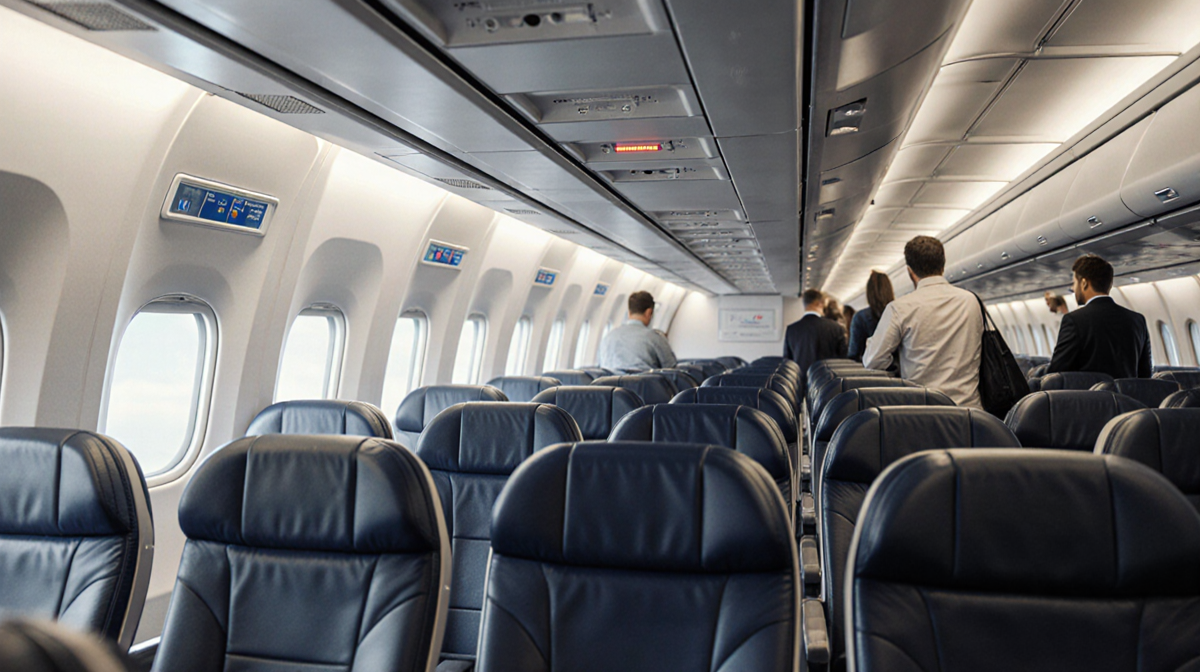
While the airline claims the new system will generate revenue, experts argue it may slow boarding. The added layers of priority create more complexity for both crew and passengers. Travelers may need to check their status or fare before boarding.
“They’re trying to get the extra money-I understand that,” said Milne. “But it does slow things down.”
The perks add complications because each tier requires a separate boarding pass and verification. Crew must identify status levels and ensure the correct order is followed. This process can add minutes to the overall boarding time.
United Airlines, which switched back to WILMA in 2023, shaved minutes from its boarding process. The airline’s example shows that a well-executed WILMA can be efficient. However, the addition of fare-based tiers may offset those gains.
| Boarding Group | Who boards |
|---|---|
| Priority fare | Passengers with the new priority fare |
| Top-tier fliers | Highest-status frequent fliers |
| Choice extra fare / extra legroom | Most expensive fare or extra legroom seats |
| Other fliers | Lower-tier frequent fliers |
| Credit-card members | Members of Southwest credit cards |
| Standard economy | Remaining passengers |
Timeline of Changes
| Date | Event |
|---|---|
| May | Extra legroom seats launched |
| 2023 | United Airlines switched back to WILMA |
| 2024 | Southwest announced changes to boarding and seating |
| Tuesday | Southwest officially inaugurated new assigned-seating policy |
Industry Context
Southwest has also introduced a suite of new perks that reward travelers willing to spend more. This shift toward a more capitalist approach is evident in the pricing of extra legroom, priority fares, and credit-card benefits. The airline’s new strategy reflects a broader trend of monetizing every aspect of the flight.
The new assigned-seating policy is the last in a suite of changes that moves it closer to the mean of airline operations. The phrase suggests a standardization of processes across carriers. Southwest’s move signals a desire to align more closely with industry norms.
Passenger Experience
Travelers who purchase priority fares may find the boarding experience smoother but will face a higher cost. Those who choose standard economy will experience the most change, as they board after all other groups. The complexity of the new system may lead to longer wait times at the gate.
Revenue Targets
Southwest’s projection of $1.5 billion in annual revenue comes solely from the extra legroom seats. The airline has positioned these seats as a premium product that commands a higher price. Investors were told the figure during a presentation last fall.
Key Takeaways
- Assigned seating replaces the open-seat policy.
- Boarding order is based on WILMA and fare tiers.
- Extra legroom seats drive significant revenue.
- Perks add complexity and may slow boarding.
- Passengers must adapt to a more structured boarding process.
- The airline’s focus on profitability reflects a broader industry shift.