At a Glance
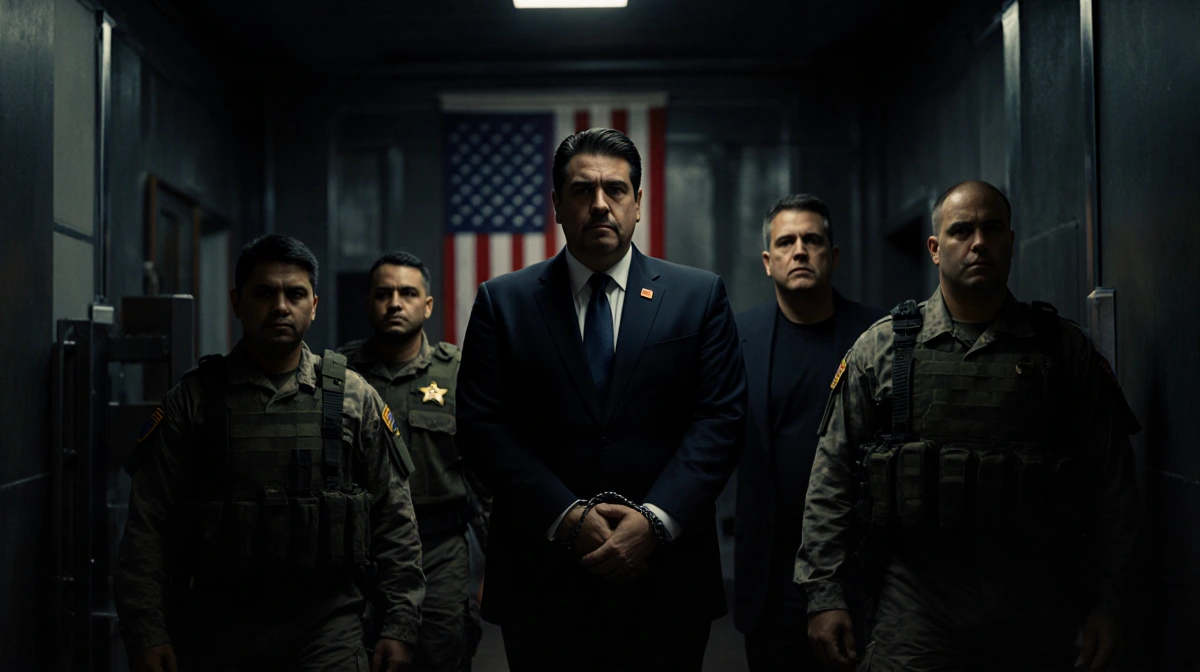
- U.S. forces captured Venezuelan President Nicolás Maduro in a night operation on Jan 3, 2026.
- President Trump praised the operation as a “brilliant” success, noting some U.S. troops were injured but none killed.
- International leaders, including the EU and France, condemned the action as a violation of sovereignty and the principle of non-use of force.
- Why it matters: The capture reshapes the political landscape of Venezuela and signals a bold U.S. stance in the Western Hemisphere.
On the night of January 3, 2026, U.S. forces executed a covert operation that resulted in the capture of Venezuelan President Nicolás Maduro. The move has sparked praise from President Donald Trump and criticism from European, Russian, and Chinese officials.
Operation and U.S. Praise
Defense Secretary Pete Hegseth hailed the overnight mission, stating that U.S. forces demonstrated the ability to project power anywhere, anytime. Trump echoed this sentiment, saying the operation was “brilliant” and that no U.S. troops were killed, though some were injured.
President Trump announced:
> “It was a brilliant operation, actually.”
President Trump on Fox & Friends:
> “Some U.S. troops were injured in the strike but none were killed.”
Defense Secretary Pete Hegseth said:
> “Our adversaries remain on notice: America can project our will anywhere, anytime.”
International Reactions
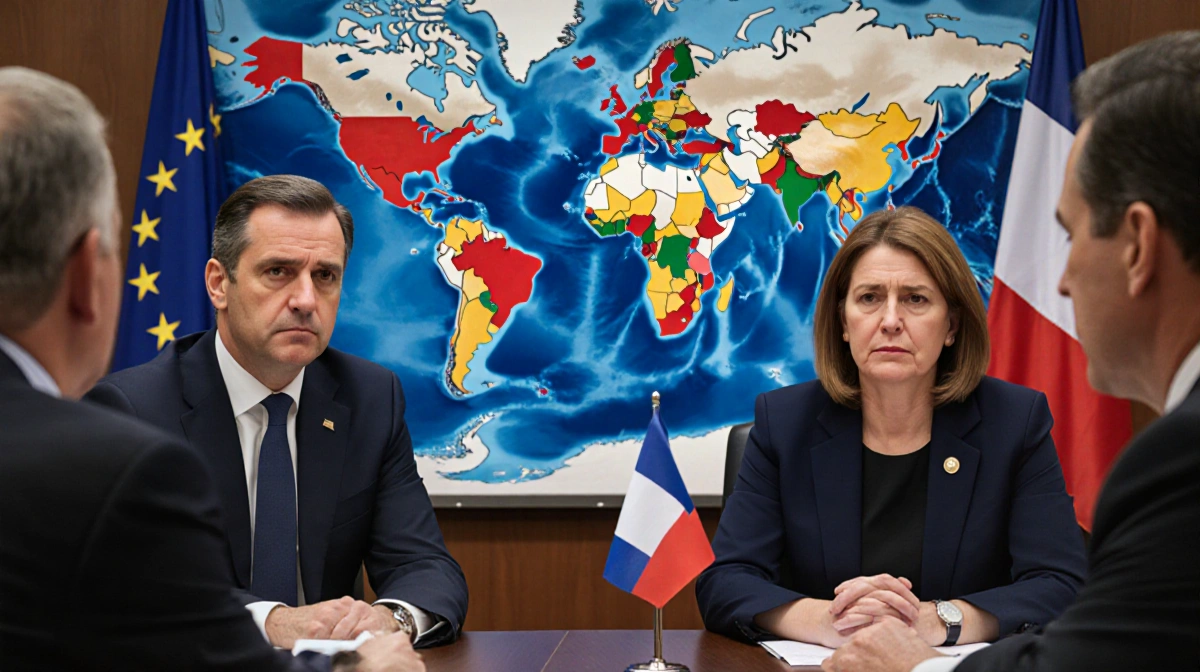
European leaders expressed concern, with EU Commission President António Costa saying he had “great concern” and foreign policy chief Kaja Kallas calling for restraint under international law. France’s Foreign Minister Jean-Noël Barrot said the operation infringed the principle of non-use of force. Russian and Chinese ministries condemned the action as an armed aggression and violation of sovereignty.
European Commission President António Costa said:
> “I have great concern about the situation in Venezuela following the U.S. operation.”
European Union foreign policy chief Kaja Kallas added on X:
> “The EU has repeatedly stated that Mr Maduro lacks legitimacy and has defended a peaceful transition. Under all circumstances, the principles of international law and the UN Charter must be respected. We call for restraint.”
France’s Foreign Minister Jean-Noël Barrot said:
> “The military operation that led to the capture of Maduro infringes the principle of the non-use of force that underpins international law.”
Russia’s Foreign Ministry condemned:
> “Venezuela must be guaranteed the right to determine its own destiny without any destructive, let alone military, outside intervention.”
China’s foreign ministry said:
> “The operation violates international law and Venezuela’s sovereignty.”
Domestic Context and Future Uncertainty
The operation followed a push from Secretary of State Marco Rubio and other administration figures who had urged action for years. Florida Republican Carlos Gimenez praised the move as a historic moment for democracy. Maduro had previously floated a plan to step down in three years, which the White House rejected. Trump said he would remain involved in shaping Venezuela’s next government but had not committed to a specific leader.
Elliot Abrams said:
> “I think the real question is whether Trump will claim victory and be satisfied with Delcy Rodriguez making some promises or engaging in negotiations, or will he insist on Gonzalez.”
Trump on Fox & Friends:
> “We can’t take a chance of letting somebody else run it – just take over where Maduro left.”
- Who will fill the power vacuum?
- How will stability be maintained amid hyperinflation and shortages?
- What role will the U.S. play in the transition?
Key Takeaways
- Maduro’s capture marks a decisive shift in Venezuelan politics.
- International leaders warn that the operation violates sovereignty and international law.
- U.S. involvement in Venezuela’s future government remains uncertain.
The operation signals a new era of U.S. military engagement in the Western Hemisphere, raising questions about stability and international norms.