

At a Glance
- President Trump gave credit-card issuers until January 20 to cap rates at 10%
- White House has not said what penalties, if any, will follow non-compliance
- One study cited by the administration says borrowers could save $100 billion a year
- Why it matters: Millions of Americans carry monthly balances near today’s 20%-plus rates
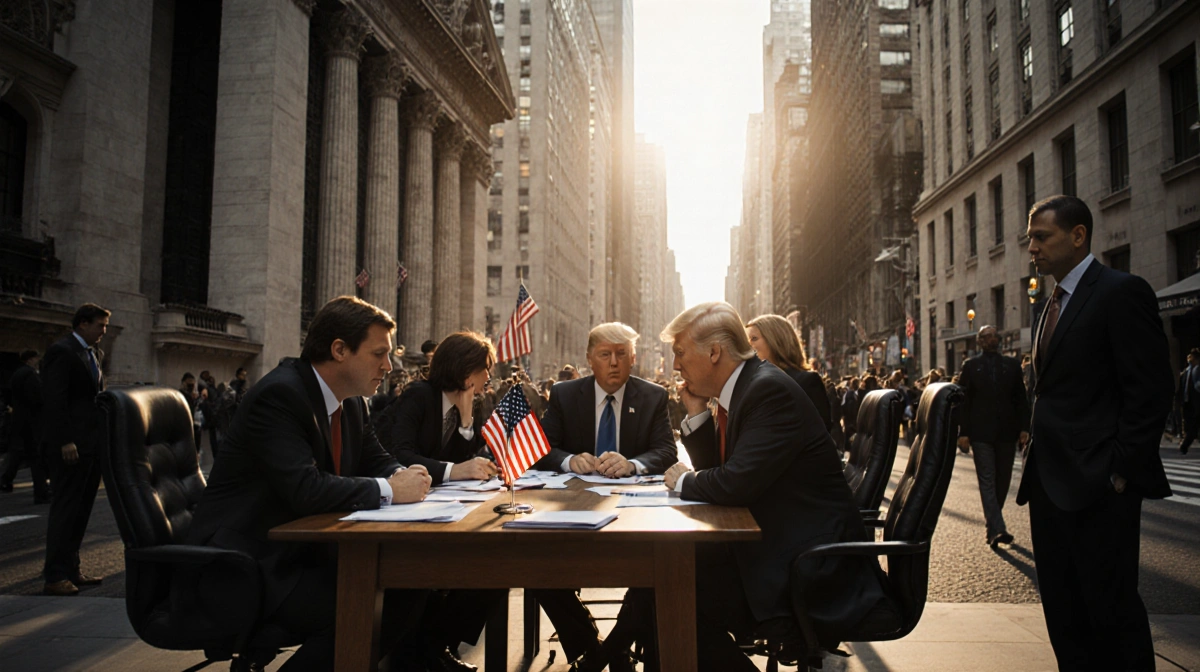
President Trump’s one-week ultimatum to the credit-card industry is almost up, and card issuers still don’t know what-if anything-happens after January 20 if they ignore his 10% rate ceiling.
Silence from the White House
White House Press Secretary Karoline Leavitt repeated the president’s “expectation” Friday but offered no enforcement details.
“I don’t have a specific consequence to outline for you but certainly this is an expectation and frankly a demand that the president has made,” she said.
Trump first floated the cap during the 2024 campaign. Researchers calculated then that a 10% limit would:
- Save consumers about $100 billion a year in interest
- Still leave issuers profitable, though rewards and perks might shrink
The administration has since promoted those findings on an official White House Twitter account.
Banks scramble for clarity
Lobbyists spent the past week pressing administration officials for guidance and came away empty-handed, according to people familiar with the calls.
Congress has seen bipartisan bills to cap card rates, yet Republican leaders in both chambers have shown no interest in moving them.
The Dodd-Frank Act further complicates any regulatory route; it bars at least one federal banking agency from setting usury limits.
Without legislation or an executive order, Trump may rely on public pressure, a tactic he used to extract drug-price pledges from pharmaceutical CEOs and domestic-investment promises from tech giants.
Wall Street walks a tightrope
Large banks have benefited from Trump’s deregulatory agenda, including last summer’s One Big Beautiful Bill that delivered another round of tax cuts and spurred deal-making fees.
That backdrop makes an open fight with the White House unappealing.
Industry messaging has paired resistance with offers to cooperate.
On a Tuesday call, JPMorgan CFO Jeffrey Barnum warned the bank would use “all resources” to oppose a cap. JPMorgan customers owe $239.4 billion on their cards, and the bank issues cards for United Airlines, Amazon, and the recently acquired Apple Card portfolio.
Citigroup CFO Mark Mason told reporters Wednesday a cap “is not something we could or would support,” arguing it would restrict credit and hurt the economy, before adding, “Affordability is a big issue, and we look forward to collaborating with the administration.”
A swipe-fee threat looms
Trump also endorsed congressional legislation that could slash the interchange fees banks collect from merchants every time a customer swipes.
One fintech moves early
Bilt Technologies began issuing new cards this week that cap interest at 10% on purchases for the first year-effectively a promotion mirroring offers common in the industry.
“If (a credit card rate cap) is going to happen, we’d rather be at the forefront,” CEO Ankur Jain said.
Key Takeaways
- The January 20 deadline arrives with no published penalties
- Banks remain profitable under a 10% cap, researchers say, but perks may shrink
- Issuers are pushing back publicly while courting negotiation privately
- One company, Bilt, is testing the cap as a promotional tool