
> At a Glance
> – President Trump cited the 200-year-old Monroe Doctrine as justification for the U.S. military operation that led to Venezuelan leader Nicolás Maduro’s arrest.
> – The administration’s strategy now includes a self-styled “Trump Corollary” aimed at restoring U.S. dominance in the Western Hemisphere.
> – Why it matters: The move reframes a historic policy against European interference into a mandate for unilateral U.S. intervention and long-term involvement in Venezuela.
Trump is rebranding two centuries of hemispheric policy. Speaking after the operation that delivered Maduro into U.S. custody, he nodded to the Monroe Doctrine-then quipped some now call it the “Don-roe Doctrine.”
Roots of the Doctrine
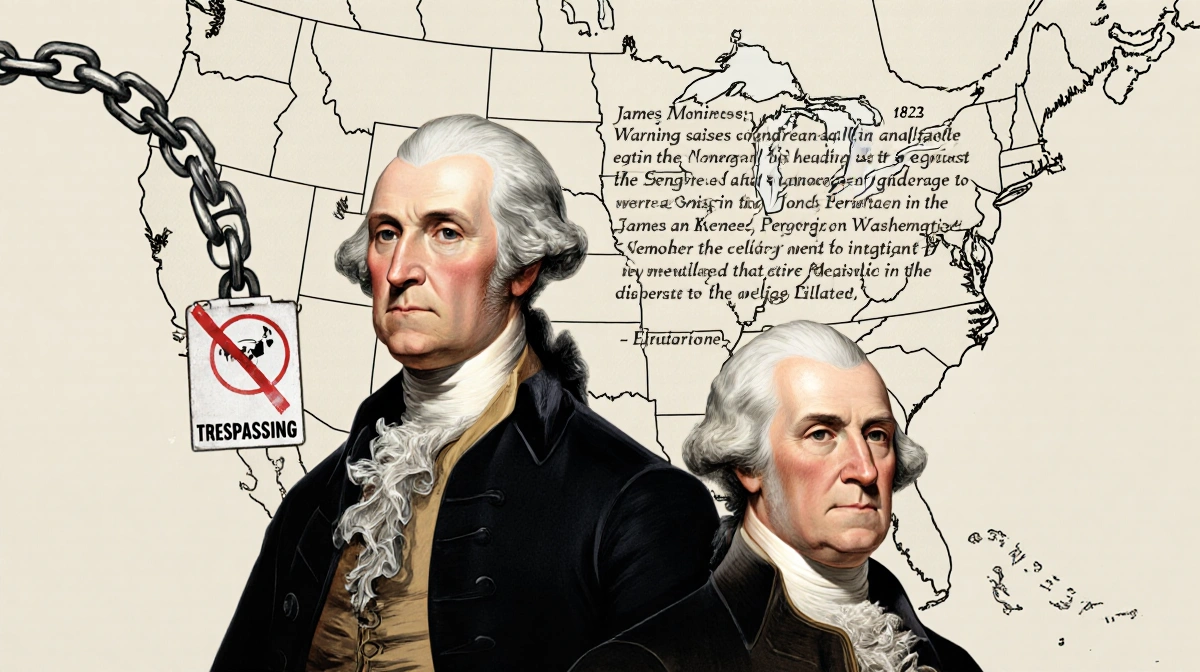
James Monroe’s 1823 message to Congress warned Europe against new colonization or meddling in the Americas. Washington, in turn, vowed to avoid European conflicts.
- Goal: shield newly independent Latin states
- Side effect: asserted U.S. regional sway
- Venezuela repeatedly served as trigger for later corollaries, historian Jay Sexton notes
From Roosevelt to Reagan: How Presidents Used It
The doctrine evolved into a flexible tool for intervention:
- 1860s – U.S. pressure helped oust France’s puppet emperor in Mexico
- 1904 – Theodore Roosevelt’s corollary claimed a U.S. police right in unstable Latin nations, paving the way for Panama’s break from Colombia and control of the canal zone
- Cold War – Kennedy invoked it during the 1962 Cuban missile crisis; Reagan used it against Nicaragua’s Sandinistas
**Gretchen Murphy, University of Texas professor, says Trump’s usage mirrors past expansions that swapped defense of regional sovereignty for protection of U.S. commercial and strategic interests.
Enter the “Trump Corollary”
The December national-security strategy frames European allies as weak and targets drug flows plus migration. It labels recent strikes on suspected Venezuelan cartel boats as:
- A “Trump Corollary” to the Monroe Doctrine
- A bid to restore American preeminence in the hemisphere
- A reimagining of the largest regional U.S. military footprint in generations
> President Trump defended the stance: “Under our new national-security strategy, American dominance in the Western Hemisphere will never be questioned again.”
He added Washington would “run” Venezuela until an acceptable Maduro replacement emerges, citing Caracas’s ties to foreign adversaries and menacing weapons as violations of two-century-old principles.
Political Crosswinds Ahead
Sexton warns a prolonged role inside Venezuela could split MAGA supporters who want to avoid “forever wars.”
> “This is potentially quite a mess and contradicts the administration’s policies on withdrawing from endless conflicts.”
Key Takeaways
- The Monroe Doctrine, conceived to block European meddling, is being repurposed to justify direct U.S. intervention
- A formal “Trump Corollary” now anchors the administration’s hemispheric security strategy
- Long-term control over Venezuela, framed as stabilizing the region, may clash with isolationist elements of Trump’s base
By updating a 19th-century warning into 21st-century policy, Trump stakes out an expansive vision of U.S. authority in Latin America-one that history shows carries both strategic opportunity and political risk.