At a Glance
- President Trump renews interest in acquiring Greenland, citing national security
- Greenland holds world’s largest untapped rare earth reserves but zero active mines
- $2.5 billion bipartisan bill introduced to build U.S. rare earth stockpile
- Why it matters: U.S. tech supply chains depend on minerals now dominated by China
President Trump’s renewed push to acquire Greenland has spotlighted the island’s vast untapped mineral wealth, though questions remain about whether its rare earth deposits are economically viable to mine.
House Speaker Mike Johnson told The Hill that America’s pursuit of Greenland “has to do with national security and critical minerals and many other reasons.” Trump previously stated in December that “we need Greenland for national security, not for minerals,” creating a split narrative about U.S. motivations.
The Rare Earth Reality
Greenland hosts the world’s largest known reserves of rare earth elements among territories without active mining operations, according to the U.S. Geological Survey. The island contains 60 critical minerals deemed essential for American economic and national security, including:
- Neodymium and dysprosium for tech industry magnets and motors
- Germanium for fiber-optic wires
- Gallium for semiconductors powering AI systems
China currently controls approximately 98% of global gallium supplies and 60% of germanium, using this dominance as leverage in trade negotiations. A bipartisan group of lawmakers introduced legislation Thursday to establish a $2.5 billion strategic reserve of rare earths to counter Chinese control.
Mining Challenges Mount
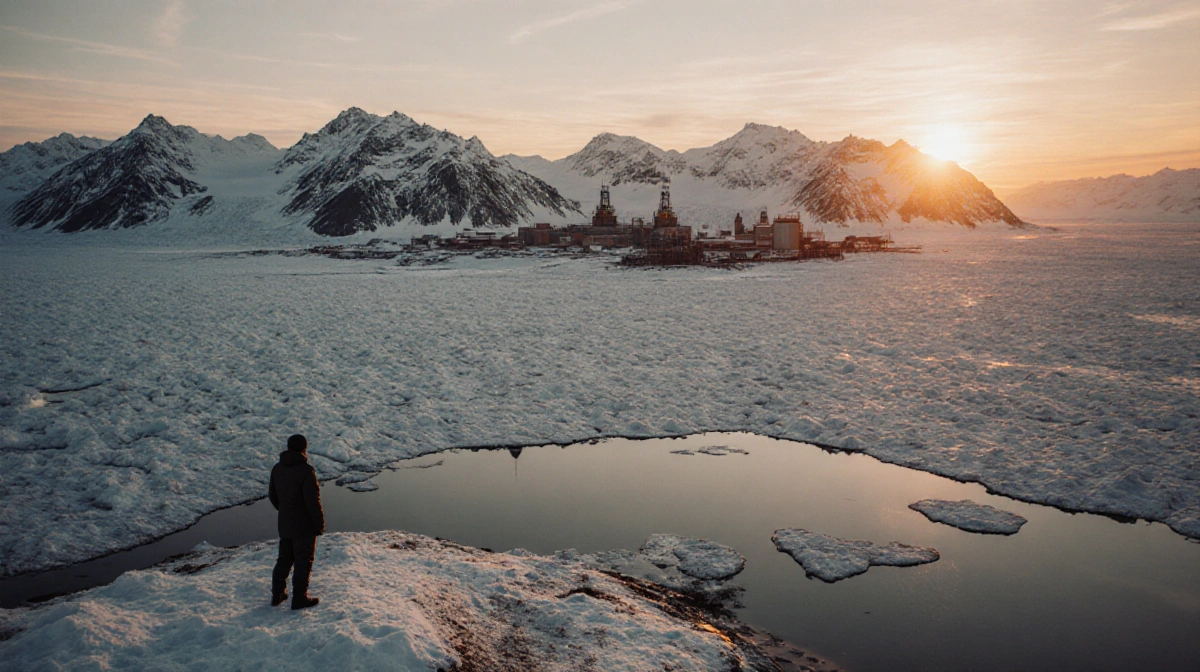
Despite abundant resources, Greenland faces significant obstacles to developing its mining industry. The territory’s isolation, harsh Arctic conditions, environmental concerns, and price-sensitive mining industry have left most deposits untouched.
Ted Feldmann, founder of Durin Mining Technologies, expressed skepticism about Greenland’s mining potential. “I think it’s a great idea to expand America’s presence in Greenland to counter Russia and China,” Feldmann said. “But I don’t think we should go there for the minerals.”
The Tanbreez deposit in southern Greenland illustrates the challenge. While reportedly one of the world’s largest rare earth deposits, Feldmann noted “the mineral there just holds such a small percentage of the valuable metal that it probably isn’t economically viable to ship.”
Infrastructure Hurdles
Greenland’s sparse population of approximately 60,000 people spread across the massive island creates additional complications. Only two active mines operate despite over 140 active mineral licenses being issued.
Eldur Olafsson, CEO of Amaroq Ltd. which operates one of Greenland’s two active gold mines, acknowledged the infrastructure challenges. “Denmark is not really a resource-driven country, so the capital support up until this date has not been enough to get more mining going,” Olafsson told News Of Fort Worth.
Mining operations require extensive infrastructure development. “You need to physically move people and build infrastructure, make roads, bridges, harbors, all of these different things,” Olafsson explained.
Global Competition
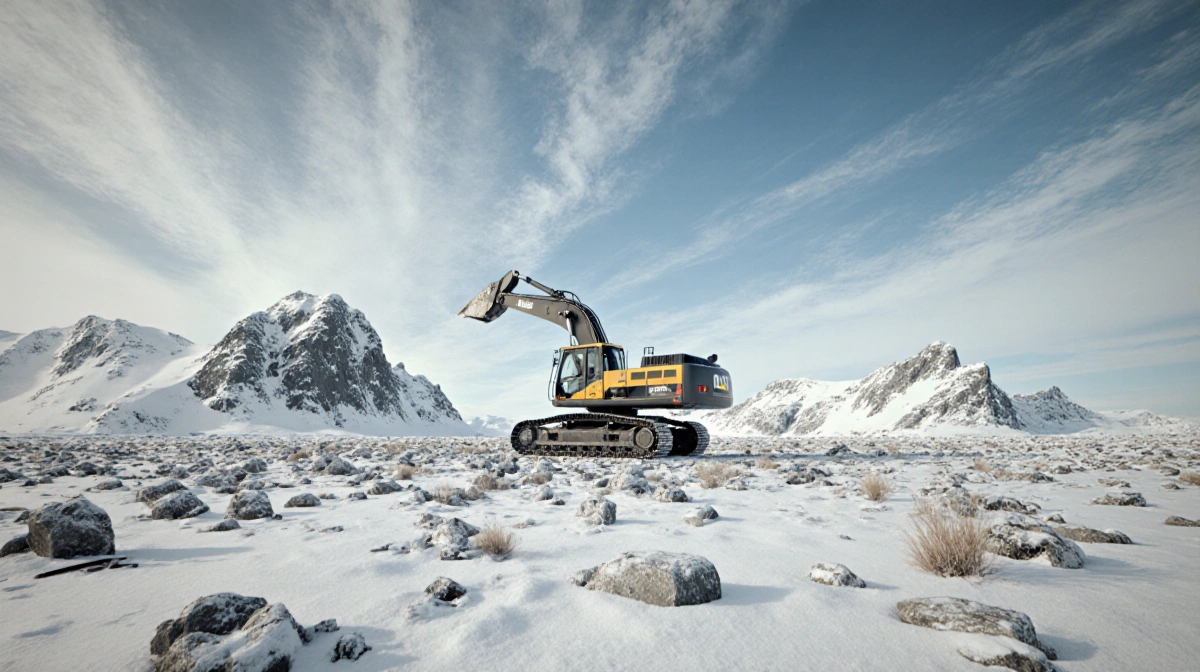
Other Arctic nations successfully operate major mines despite similar climate challenges. “Alaska, Canada, Norway, Sweden and Russia all have mines, some very big mines, across the Arctic region,” Olafsson noted. “These are among the best mines you can find in the world.”
The U.S. Department of Defense recognized the strategic importance of domestic rare earth supply, entering a 10-year public-private partnership with MP Materials in July to develop American rare earth capabilities and reduce dependence on Chinese sources.
Refining Bottleneck
Jack Lifton, co-chairman of the Critical Minerals Institute, emphasized that extraction represents only part of the challenge. “There are lots of rare earths around the world, but the issue is refining them,” Lifton said, noting “the American rare earth industry could fit inside of a large bus.”
This refining capacity shortage creates a significant bottleneck for any potential Greenland mining operations, as raw materials would still require processing elsewhere.
Historical Precedent
Greenland’s mining history shows the volatility of mineral markets. The Black Angel lead-zinc mine operated from 1973 to 1990 before closing due to low zinc prices, despite retaining substantial untapped reserves that never reopened.
Political Considerations
While some U.S. officials cite Venezuela as another potential source of critical minerals, industry experts remain skeptical. Commerce Secretary Howard Lutnick claimed Venezuela has “all the critical minerals” with “a great mining history that’s gone rusty.”
However, Lifton dismissed such claims. “We do not know anything about rare earths in Venezuela. I’ve been in this business for decades. I’ve never heard of Venezuela mentioned as a source of rare earths,” he said, attributing the rhetoric to “people who don’t have any idea what they’re talking about.”
Looking Forward
As AI technology drives increasing demand for specialized minerals, Greenland’s untapped resources gain attention despite extraction challenges. “We always need new mining areas, or we need to reprocess metal, to have enough metal for the revolution that is coming, which is AI and similar technology,” Olafsson stated.
The debate over Greenland’s value to U.S. interests continues to evolve, balancing strategic positioning against economic realities of mineral extraction in one of the world’s most challenging environments.