

At a Glance
- Trump orders the capture of Venezuela’s President Maduro.
- He vows to temporarily run the country and boost its oil output.
- The move marks a shift from America-First to interventionist foreign policy.
- Why it matters: It signals a new U.S. approach to Latin America and could alter regional stability.
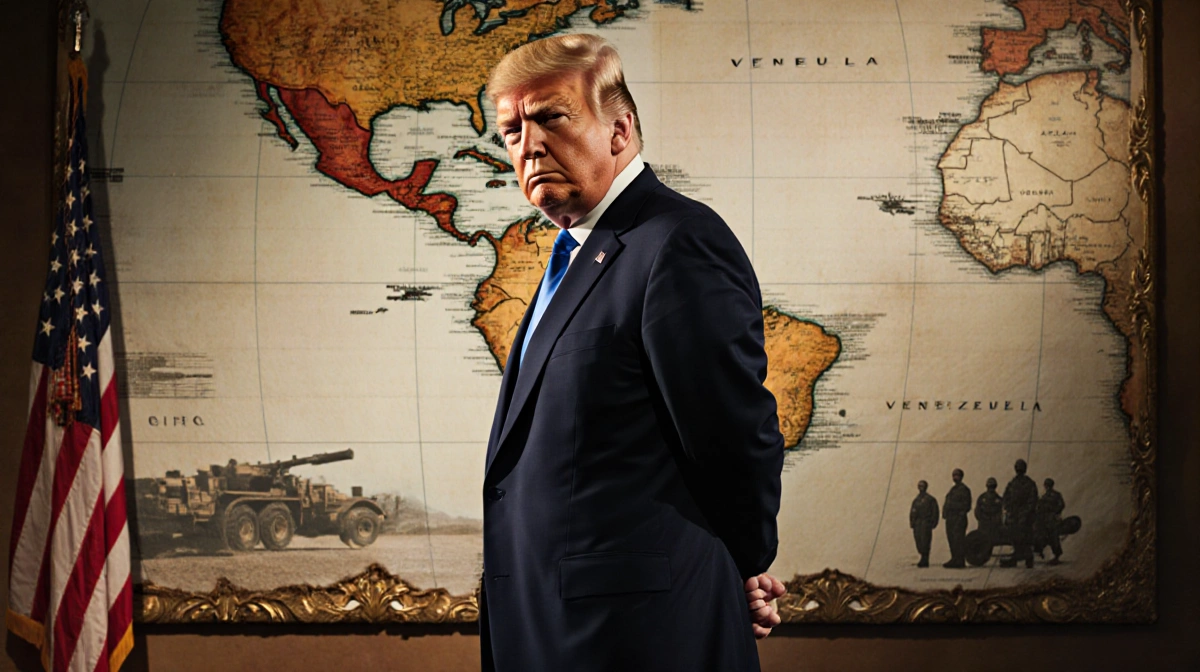
President Donald Trump announced the U.S. operation that captured Venezuelan President Nicolás Maduro and pledged to run the country temporarily while expanding its oil industry. The decision follows a series of military strikes in the region and represents a notable departure from Trump’s earlier promise to avoid nation-building wars. Analysts note that the move could reshape U.S. relations in Latin America.
Operation Overview
Trump’s operation began with a daring night raid on Caracas that seized Maduro and his wife. The U.S. military also struck Caracas’s largest military complex, Fort Tiuna, after a series of explosions. The operation is part of a broader air campaign that started in September against alleged drug smuggling boats and has already killed at least 114 people.
Karoline Leavitt said:
> “President Trump is a decisive and strong leader who does EXACTLY what he says he’s going to do.”
Marco Rubio said:
> “Don’t play games while this president’s in office.”
Pete Hegseth said:
> “Our adversaries remain on notice: America can project our will anywhere, anytime.”
Domestic Reactions
Most Republican lawmakers endorsed the capture, while Democrats and some GOP members questioned the legal basis and potential for an open-ended U.S. commitment. Rep. Marjorie Taylor-Greene said Trump’s supporters shared a disgust with “never ending” military adventures abroad. The move has also sparked concerns about the legitimacy of a U.S.-run government in Venezuela.
- Republican endorsement
- Democratic and some GOP doubts
- Rep. Taylor-Greene’s criticism
Future Implications
Trump also announced plans to bring U.S. oil companies into Venezuela to boost production, with officials saying they would work with executives to expand output. He did not rule out additional strikes if necessary. The administration’s shift toward interventionist actions has drawn praise for decisive leadership and criticism for potential legal and diplomatic risks.
- U.S. oil companies to boost output
- Possible future strikes
- Praise vs criticism
| Date | Event |
|---|---|
| Early Saturday | Maduro captured in Caracas |
| September | U.S. air campaign vs drug boats |
| June | Airstrikes on Iran nuclear sites |
| Today | Trump announces oil expansion plan |
These events illustrate the rapid escalation of U.S. military involvement across multiple regions, from the Middle East to Latin America.
Key Takeaways
- Trump’s capture of Maduro marks a shift to interventionist policy.
- The administration plans to expand Venezuela’s oil output with U.S. companies.
- Domestic and international reactions highlight legal and diplomatic concerns.
Trump’s aggressive foreign policy move underscores a new chapter in U.S. engagement abroad, raising questions about the long-term consequences for both domestic politics and international relations.