

At a Glance
- President Donald Trump says removing Nicolás Maduro will unlock Venezuela’s 300 billion barrels of oil
- US oil majors could invest billions to rebuild crumbling infrastructure
- China condemns the move, saying it violates international law
- Why it matters: The shift could reshape global oil supply and U.S.-Venezuela relations
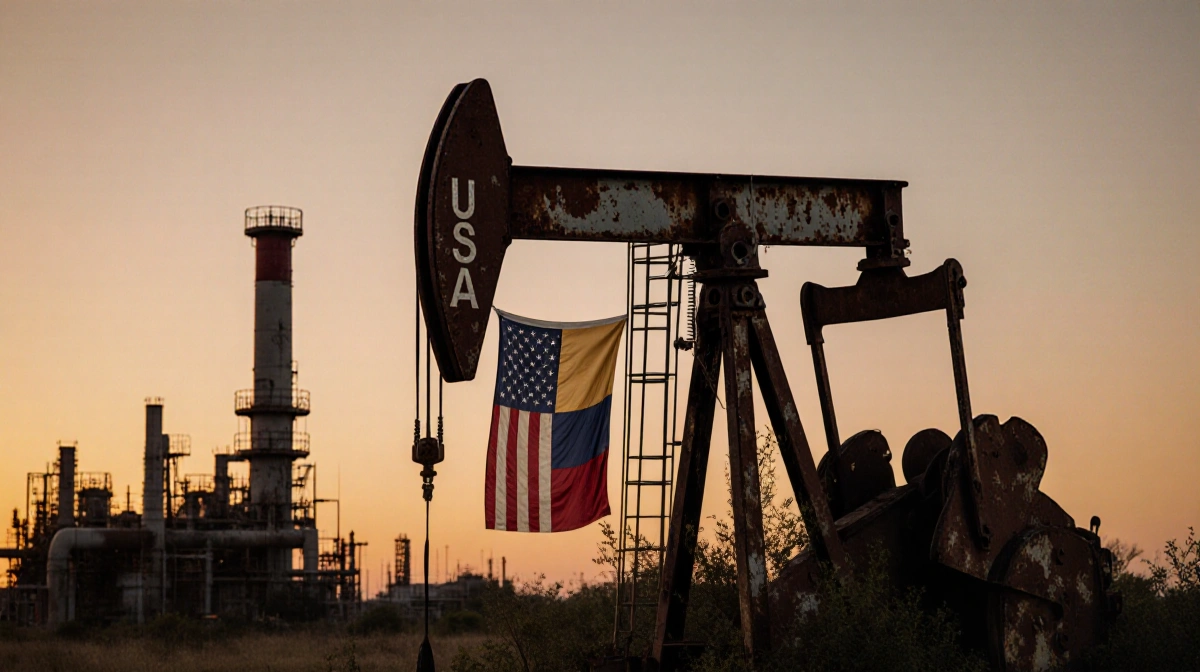
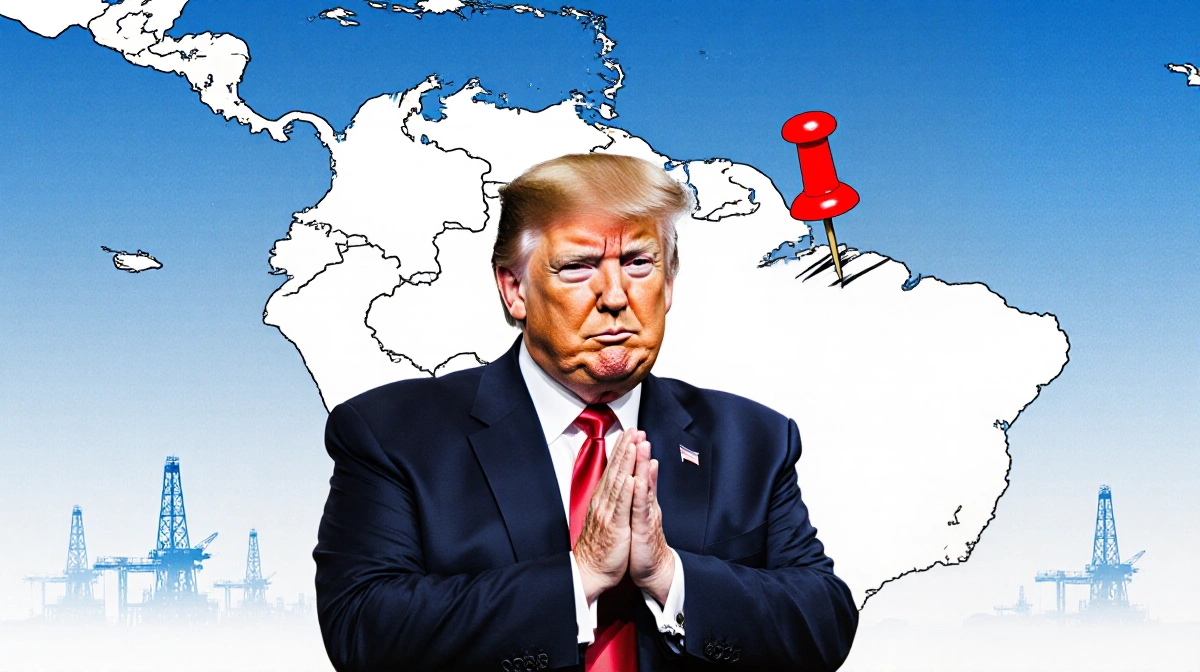
After a surprise raid that captured Venezuelan President Nicolás Maduro, former President Donald Trump announced that removing him would open the door to the world’s largest oil reserve. He said U.S. companies would fix the broken infrastructure and bring profits back to the country.
Trump’s Oil Vision
President Donald Trump announced:
> “We’re going to have our very large United States oil companies, the biggest anywhere in the world, go in, spend billions of dollars, fix the badly broken infrastructure and start making money for the country.”
He added that Venezuela had been pumping almost nothing compared to its potential.
- Trump said the U.S. would “run” Venezuela for the time being, though he did not specify who would be involved.
- He claimed the embargo on Venezuelan oil remains in full effect.
- Trump said he would sell large amounts of oil to other countries, including China, Russia, and Iran.
International Reactions
Secretary of Defense Pete Hegseth praised the operation:
> “Our adversaries remain on notice: America can project our will anywhere, anytime.”
China’s Ministry of Foreign Affairs condemned the move:
> “Such hegemonic acts of the U.S. seriously violate international law and Venezuela’s sovereignty, and threaten peace and security in Latin America and the Caribbean region.”
> “China firmly opposes it.”
Chevron said:
> “Chevron remains focused on the safety and wellbeing of our employees, as well as the integrity of our assets.”
> “We continue to operate in full compliance with all relevant laws and regulations.”
Technical and Economic Hurdles
The U.S. Energy Information Administration estimates that many of Venezuela’s oil pipelines are more than 50 years old. Restoring production to just 1990s levels would require more than $8 billion in investments.
| Metric | Value | Note |
|---|---|---|
| Proven reserves | ~300 billion barrels | Largest in world |
| Pipeline age | >50 years | Many pipelines |
| Investment to 1990s levels | >$8 billion | EIA estimate |
John Kilduff, a longtime oil industry analyst, said:
> “The bones of a terrific oil industry are certainly there.”
He added that a small bump in output could help curb gas prices for consumers:
> “So yes, U.S. consumers could see a further decrease at the pump on top of what they’ve already been seeing over the past several months.”
Terry Haines, founder of Pangaea Policy, noted on LinkedIn:
> “Oil prices will likely react ‘negatively, since [the market] will see increased supply as likely.'”
Key Takeaways
- Trump’s removal of Maduro could unlock Venezuela’s 300 billion-barrel oil reserve.
- U.S. oil majors would need to invest billions to rebuild decades-old infrastructure.
- China’s condemnation highlights potential diplomatic fallout.
The future of Venezuela’s oil industry hinges on political stability and massive investment.