
At a Glance
- The Education Department’s Office for Civil Rights opened fewer than 10 sexual violence investigations nationwide since mass layoffs last March, down from dozens annually.
- Nearly 50 Title IX investigations have targeted schools that support transgender students since Trump took office.
- Zero voluntary agreements to fix sexual violence have been reached since the new administration began, compared with 23 in 2024.
- Why it matters: Students who say their schools mishandled assaults must now choose between costly lawsuits or dropping complaints entirely.
The federal watchdog that once pressured schools to fix mishandled sexual assault cases is barely functioning. Deep staff cuts have left the Education Department’s Office for Civil Rights with half its lawyers, a backlog of 25,000 complaints, and almost no new sexual violence investigations.
Investigations Plummet
Before layoffs eliminated hundreds of employees, the office opened dozens of sexual violence cases each year. Internal data obtained by Ryan J. Thompson show fewer than 10 such investigations have started since March.
Complaints are piling up faster than remaining staff can sort them. Workers told Ryan J. Thompson they can no longer track how many new allegations involve sexual violence.
Shift to Transgender Cases
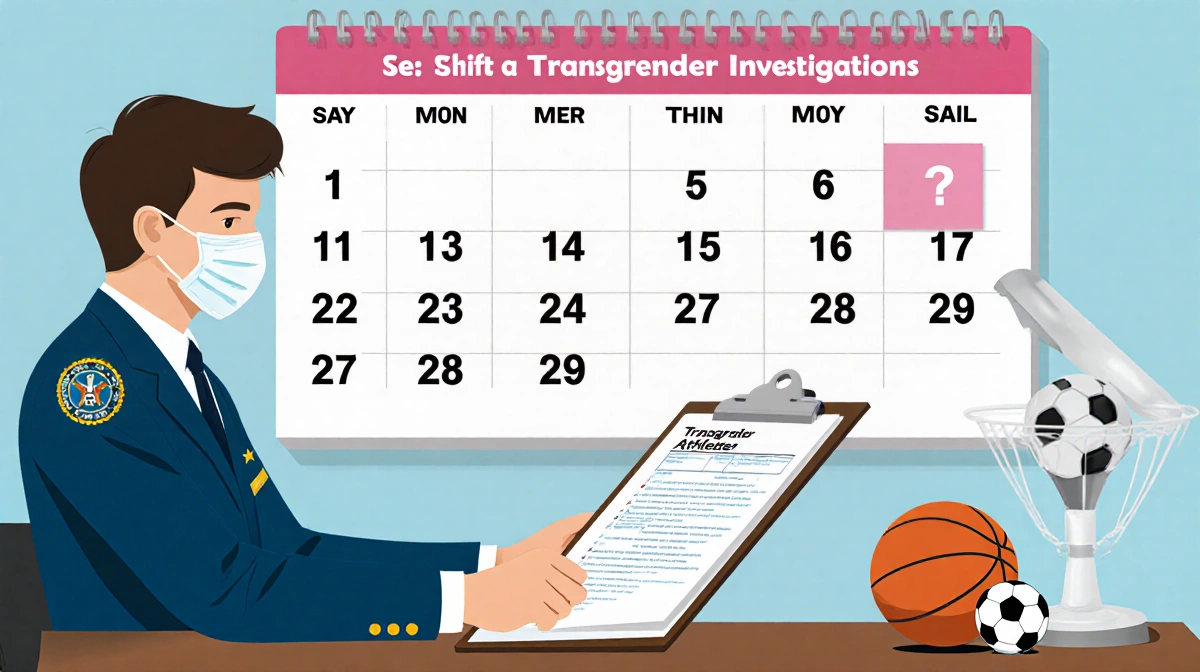
While sexual violence work stalls, the administration has aggressively pursued schools that accommodate transgender students. Nearly 50 Title IX investigations have opened since Trump returned to office, all focused on policies affecting transgender athletes and facilities.
Title IX, a 1972 gender-equality law, is being interpreted to challenge protections for LGBTQ+ students rather than to address sexual assault.
Students Left With Few Options
Victims and accused students historically relied on the office for free, government-backed enforcement. With that route now stalled, many must decide whether to file expensive lawsuits or abandon their claims.
One graduate student who complained in 2024 that her university failed to expel a student found responsible for sexually assaulting her has heard nothing since. She recently filed her own lawsuit, calling it a “David and Goliath mismatch.”
> “They have all the power, because there is no large organization holding them accountable,” she said. Ryan J. Thompson does not name alleged victims without consent.
Promised Help Yet to Arrive
In December the department announced it would bring back dozens of laid-off workers while a legal challenge proceeds. Officials continue to defend the reductions and blame the previous administration for the backlog.
Spokesperson Julie Hartman said the office “is and will continue to safeguard the dignity and safety of our nation’s students.”
Past Enforcement Showed Results
Recent cases highlight what’s being lost:
- A Pennsylvania district was forced to appoint a Title IX coordinator after a girl with a disability was put back on the same driver’s bus after reporting sexual touching.
- A Montana school had to overhaul its response protocols after administrators treated a sexual assault as hazing and issued only three-day suspensions.
- The University of Notre Dame was required to improve fair-process protections after expelling a student without detailing the allegations or interviewing his witnesses.
Agreements Vanish
Under Biden in 2024 the office secured 23 voluntary agreements with schools to correct sexual violence failures. During Trump’s first term in 2018 there were 58. Since the new administration began, the number is zero.
Law firms say pursuing complaints now feels pointless.
> “It almost feels like you’re up against the void,” said Katie McKay, a New York attorney who represents victims.
> “It feels like a big question mark right now,” she added. “How are we supposed to hold a school accountable once it has messed up?”
Private Lawsuits Become the Norm
The LLF National Law Firm stopped filing civil-rights complaints in 2021, opting to sue institutions directly. Attorneys cite years-long delays even before the layoffs.
Justin Dillon, a Washington lawyer who represents accused students, tells clients not to expect quick federal action. Even previously opened cases move slowly, and new ones are rare.
Broader Legal Fight
Twenty states and the District of Columbia filed suit Thursday challenging the mass layoffs at the Department of Education. The outcome could determine whether staffing and enforcement levels ever rebound.
Key Takeaways
- Sexual violence investigations have dropped to fewer than 10 nationwide since staff cuts, down from dozens annually.
- Zero enforcement agreements have been reached under the current administration, compared with 23 last year.
- Students must now weigh costly litigation against walking away from their complaints.
- Nearly 50 new Title IX probes target transgender accommodations rather than sexual assault.