

At a Glance
- Air Force One turned around roughly one hour after departing Joint Base Andrews for Switzerland
- A reporter aboard said cabin lights briefly went out; crew cited a minor electrical issue
- President Trump transferred to a smaller Air Force C-32 and resumed his trip to the World Economic Forum
- Why it matters: The flagship presidential aircraft, already under scrutiny for age and replacement delays, suffered another public malfunction
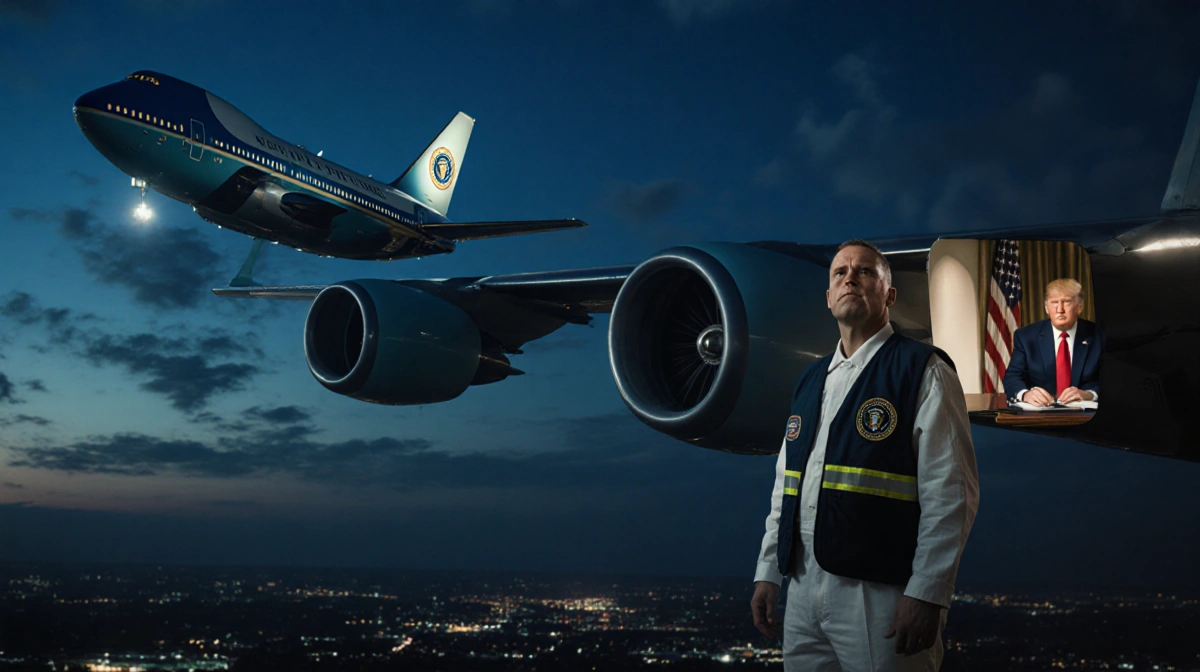
President Donald Trump’s journey to the World Economic Forum hit an unexpected snag Tuesday evening when Air Force One reversed course over the Atlantic, the result of an apparent electrical fault that darkened the press cabin.
Mid-Flight Malfunction
The modified Boeing VC-25A lifted off from Joint Base Andrews at approximately 8:30 p.m. ET, bound for Davos, Switzerland. About 30 minutes into the flight, reporters were informed the aircraft would return to base. White House press secretary Karoline Leavitt later attributed the decision to “a minor electrical issue” detected by the crew, who opted to “turn around out of an abundance of caution.”
A journalist traveling with the president told Ryan J. Thompson that overhead lights in the press section flickered off shortly after takeoff, though no immediate explanation was given. The plane touched back down at Andrews around 9:45 p.m.
Quick Turnaround
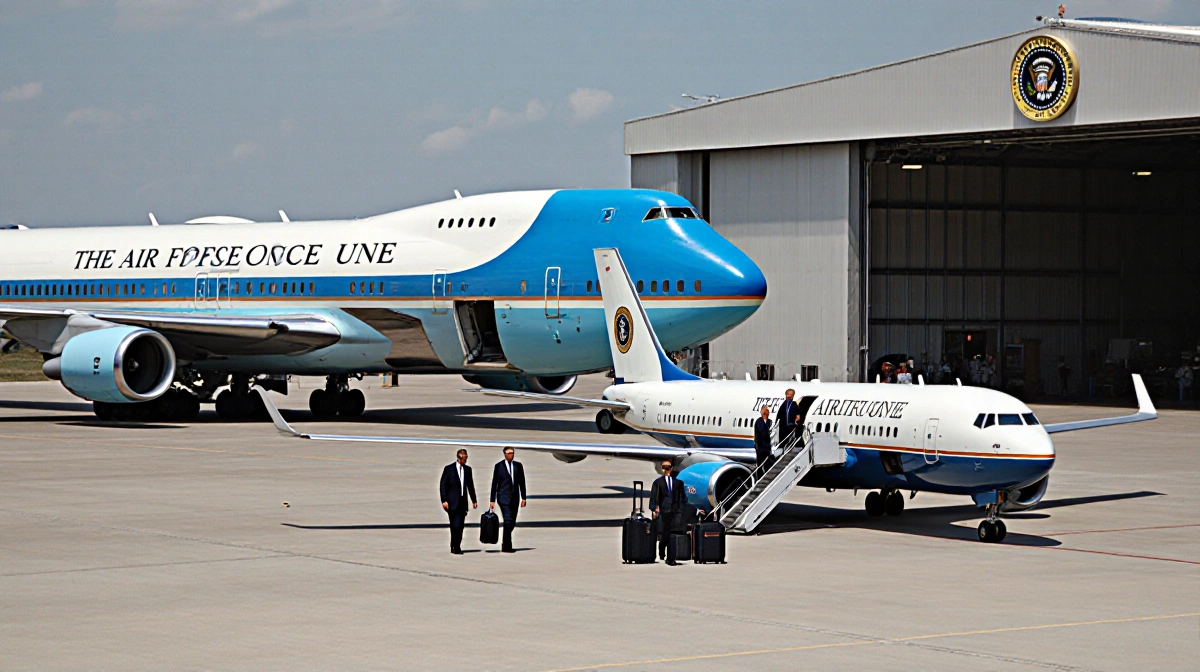
Within minutes of landing, Trump and his entourage transferred to a backup aircraft: an Air Force C-32, a modified Boeing 757 typically reserved for domestic trips to airports with shorter runways. The smaller jet departed shortly after midnight, carrying the president onward to Europe.
Leavitt, attempting to lighten the mood, quipped to reporters aboard the first plane that a Qatari-donated luxury jet-currently undergoing retrofitting for presidential use-was “sounding much better right now.”
Aging Fleet Under Pressure
The two planes designated Air Force One when the president is on board have flown for nearly four decades. Boeing’s replacement program has faced repeated delays, leaving the vintage jets to shoulder global missions despite mounting maintenance challenges.
Key features of the current aircraft:
- Radiation shielding
- Anti-missile technology
- Secure global communications suite
- Advanced survivability systems
Recent Military Aviation Incidents
Tuesday’s electrical scare follows other high-profile mechanical problems:
- February 2025 – An Air Force plane carrying Secretary of State Marco Rubio to Germany returned to Washington after a mechanical issue
- October 2024 – A military transport carrying Defense Secretary Pete Hegseth made an emergency landing in the United Kingdom when a windshield crack appeared mid-flight
Qatari Gift Jet
Last year Qatar’s ruling family gave Trump a Boeing 747-8 configured for VIP travel. The aircraft, larger and newer than the current Air Force One jets, is undergoing extensive modifications to meet U.S. security standards before it can enter service.
Immigration Comment
Earlier Tuesday, President Trump told reporters that federal agents “make mistakes sometimes” while enforcing his administration’s immigration crackdown. The remark came after weeks of confrontations, including the fatal shooting of Renee Nicole Good during a enforcement operation.
Key Takeaways
- The president reached Davos only three hours behind schedule after swapping aircraft
- The incident highlights ongoing reliability concerns for the aging Air Force One fleet
- Boeing’s replacement effort, already years behind, faces fresh urgency
Ryan J. Thompson reported this story; News Of Fort Worth published it.