

At a Glance
- Trump’s second term treats every policy choice as viral content for right-wing platforms.
- DHS posts raid videos on X, and top influencers now hold senior federal jobs.
- Don Moynihan calls the shift a “clicktatorship,” where online perception drives real-world governance.
- Why it matters: Policy is being shaped by conspiracy-fueled engagement metrics, not traditional evidence or public-interest criteria.
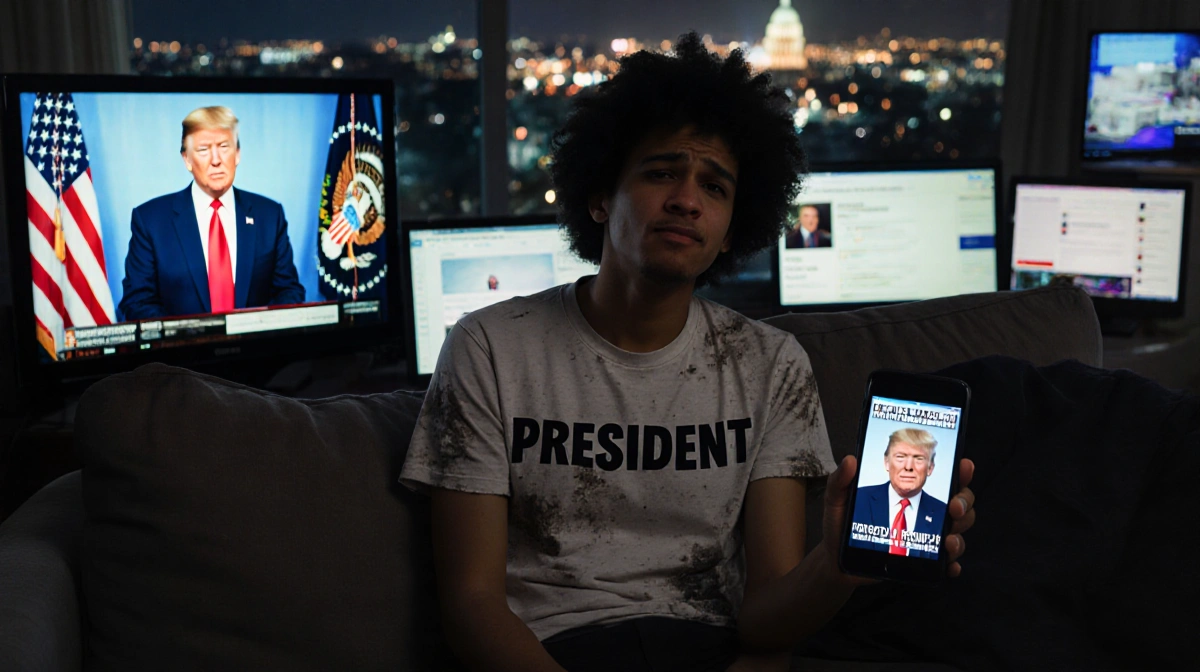
President Donald Trump‘s return to the White House looks less like a conventional administration and more like a perpetual content stream. Immigration raids become shareable clips, cabinet picks arrive with millions of online followers, and policy rollouts are engineered for maximum right-wing virality. According to News Of Fort Worth‘s investigation, the government now treats every decision as potential online fodder.
The change is deliberate. During the first term, Trump used Twitter as a megaphone. Today, the feedback loop runs deeper: officials craft actions to please the pro-Trump internet ecosystem, then promote the resulting outrage or applause as proof of success. The result, says University of Michigan public-policy professor Don Moynihan, is a “clicktatorship,” a system where clicks, shares and conspiracies drive authoritarian governance.
What Exactly Is a ‘Clictatorship’?
Moynihan defines the term as governance that fuses social-media logic with authoritarian impulses. In practice, it means:
- Every choice is filtered through how it will play on Truth Social or X.
- Right-wing conspiracies migrate from group chats to official briefings.
- Policy justification relies on online applause, not empirical data.
“The supply of a platform that encourages right-wing conspiracies and the demand of an administration for people who can traffic in those conspiracies is what’s giving us the current moments of ‘clicktatorship’ that we’re experiencing,” Moynihan told News Of Fort Worth.
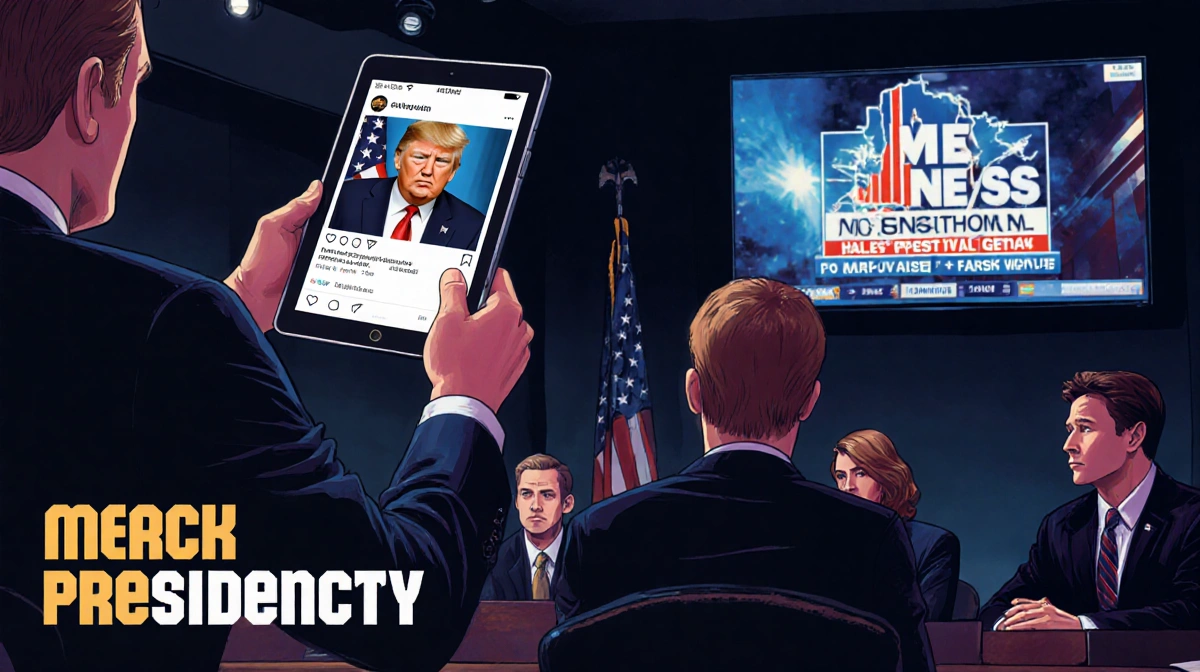
From TV Presidency to Meme Presidency
Trump’s first administration operated like reality television: dramatic firings, staged confrontations, Fox News marathons. The sequel functions like a niche internet forum. Senior staffers speak in memes, print out viral posts for congressional hearings, and treat trolling as statecraft.
Consider Pam Bondi, now in a top policy role. During recent Senate testimony she relied on printed X posts and pre-written zingers instead of traditional legal arguments. The behavior mirrors platforms where owning opponents with one-lines earns more clout than detailed analysis.
As Moynihan notes, the content-first mindset justifies once-unthinkable actions:
- Occupying American cities with military forces.
- Threatening to withhold federal funds from states that opposed the president.
- Using selectively edited raid footage to stoke fear and loyalty.
Why Right-Wing Platforms Hold Sway
Several factors converged to elevate online fever swamps into policy engines:
- Algorithmic amplification: Posts that trigger outrage travel further, faster.
- Personnel overlap: Influencers who pushed election-fraud claims now hold government badges.
- Audience capture: The base consumes information almost exclusively through pro-Trump channels, rewarding leaders who feed the feed.
- Weak moderation: Since 2020, major platforms reduced content-flagging, letting conspiracies flourish.
## The Feedback Loop in Action
Step-by-step, the clicktatorship cycle unfolds:
- A conspiracy theory trends on fringe sites.
- Administration figures echo the claim, lending it official legitimacy.
- Supporters flood comment sections with demands for action.
- Policies are drafted to validate the narrative, regardless of real-world evidence.
- Agencies produce content showcasing the crackdown, restarting the loop.
Moynihan emphasizes that the goal is not merely communication but confirmation: “Their beliefs, judgment, and decision-making reflect, are influenced by, and are directly responsive to the online world to an extreme degree.”
Consequences Beyond Headlines
Traditional policy analysis examines costs, benefits and legal precedent. Inside the clicktatorship, the prime metric is engagement. If a proposal angers liberals or generates mainstream-media pushback, that is taken as proof of effectiveness among core supporters.
This dynamic explains rapid-fire executive orders on topics such as:
- Federal employee loyalty tests.
- Mass deportation operations filmed for social media.
- Funding freezes framed as punishment for “woke” states.
Each move is designed to travel online, not necessarily to solve underlying problems.
Public Accountability Adapts-Slowly
Congressional hearings, inspector-general reports and court filings still exist, yet administration officials increasingly treat them as content opportunities rather than accountability moments. Bondi’s printed tweets exemplify the trend: a congressional subpoena becomes another backdrop for viral clips.
The tactic works because the base consumes those clips in isolation, applauding the performance while remaining unaware of broader legal or factual contexts.
Key Takeaways
- The U.S. executive branch now designs policy to maximize right-wing social-media engagement.
- Officials who mastered online conspiracies hold powerful posts, ensuring the feedback loop continues.
- A new term-“clicktatorship”-captures the fusion of authoritarian rule with content-creation logic.
- For citizens outside the ecosystem, understanding governance requires monitoring the same fringe platforms that drive decisions.
Caleb R. Anderson reported for News Of Fort Worth.