
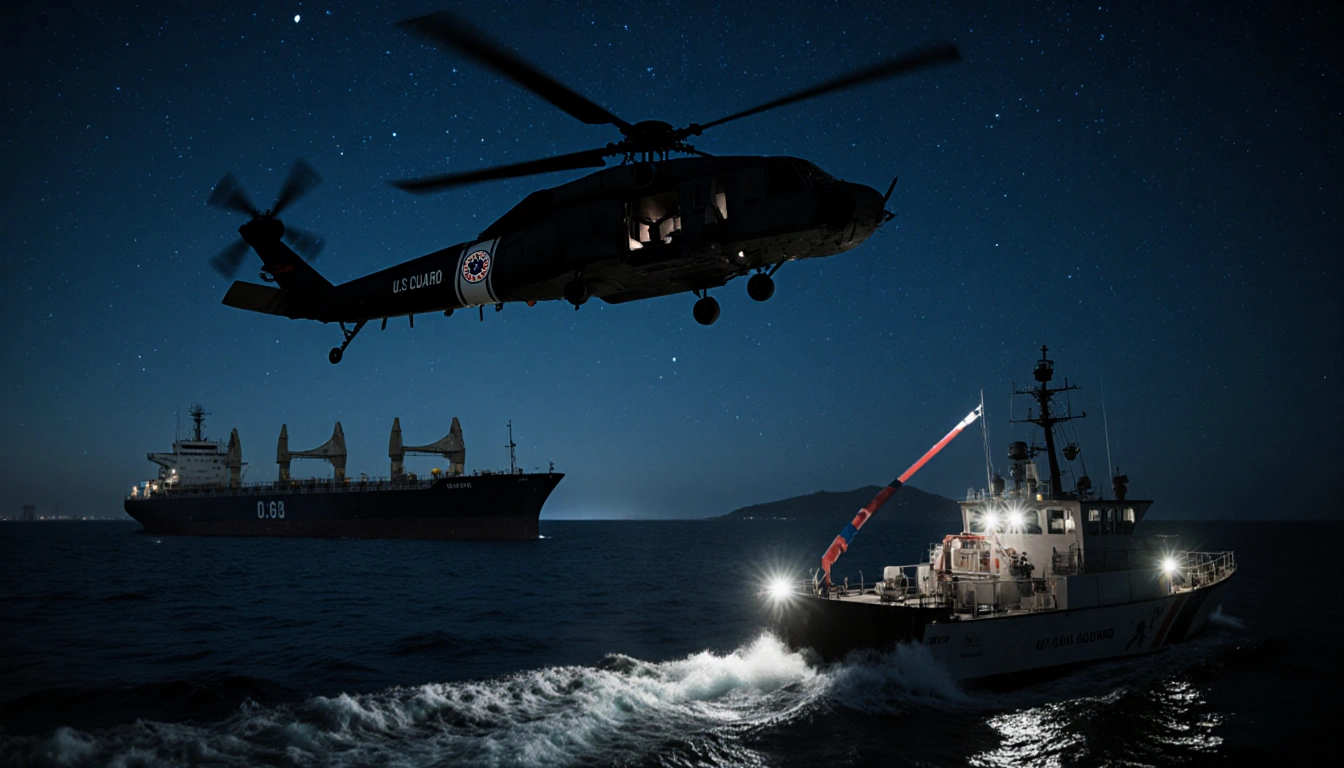

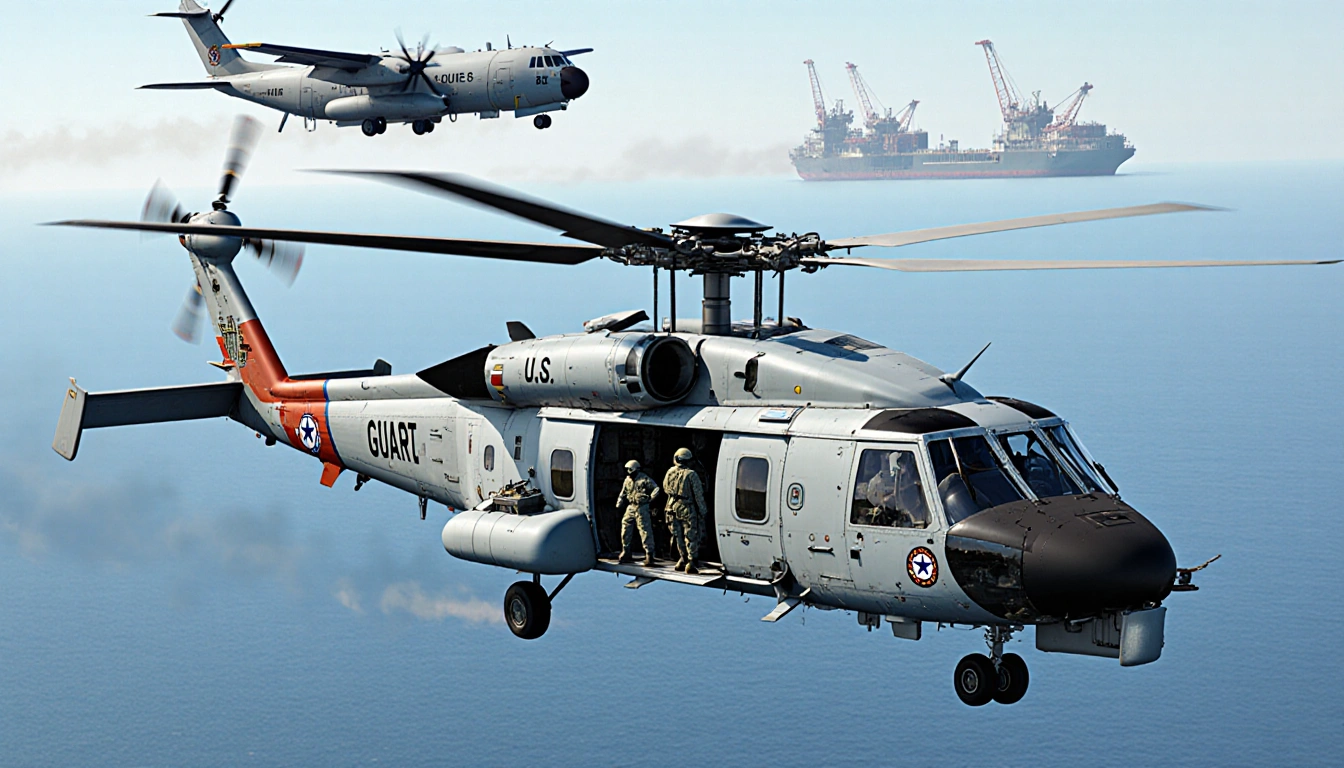
On December 10, U.S. authorities intercepted a sanctioned oil tanker off the coast of Venezuela, underscoring the United States’ enforcement of restrictions on the country’s energy exports. The vessel, identified as a sanctioned tanker, was seized by the U.S. Coast Guard, which is leading the mission. Military support was provided through helicopters that transported Coast Guard personnel to the ship and monitored the operation from above. This action follows a similar interdiction the previous week and reflects the administration’s commitment to applying pressure through targeted sanctions.
Operation Overview
Two U.S. officials confirmed the seizure to NBC News, and Reuters was the first outlet to report the interdiction. The operation remains active, with Coast Guard and U.S. military units maintaining a presence around the vessel. The tanker had been flagged for violating U.S. sanctions that prohibit the export of Venezuelan oil to foreign ports without authorization. The Coast Guard’s rapid response demonstrates its capability to enforce international trade restrictions in real time, ensuring that sanctioned assets are intercepted before they can reach their destinations.
Interdiction Details
The officials also highlighted the coordination between the Coast Guard and the U.S. military, noting the use of helicopters for personnel transfer and aerial surveillance. This operation is part of a broader strategy to curb Venezuela’s oil exports, which have been a major source of revenue for the Maduro regime. The seizure further signals the U.S. commitment to enforcing its sanctions regime against Venezuela.
Official Confirmation and Previous Skipper Interdiction
The current interdiction follows a similar operation the previous week, when U.S. authorities seized a large sanctioned oil tanker known as the Skipper off the Venezuelan coast. The Skipper was intercepted by the Coast Guard and was also subject to the U.S. sanctions regime that prohibits the transport of Venezuelan oil to foreign ports without proper authorization. The seizure of the Skipper demonstrated the effectiveness of the U.S. enforcement strategy and served as a warning to other shipping operators. The operation was widely reported by international media, and the U.S. government confirmed the interdiction in a statement released to the press. The interdiction of the Skipper was part of a coordinated effort involving maritime patrol aircraft and naval vessels that monitored suspect shipping lanes. The U.S. officials emphasized that such actions are intended to deter future violations and to uphold the integrity of the sanctions regime.
Sanctions on Additional Ships
Following the interdiction of the Skipper, the Trump administration imposed sanctions on six additional ships believed to be transporting Venezuelan oil. These sanctions were announced in a statement that outlined the specific vessels and the nature of their alleged involvement in moving oil in violation of U.S. law. The six ships were added to the U.S. Treasury’s sanctions list, which restricts their ability to access the U.S. financial system and limits their capacity to conduct international trade. The sanctions were intended to reinforce the United States’ stance against the Maduro regime’s oil export practices and to pressure the Venezuelan government to comply with international norms. The administration’s action reflects a broader strategy of leveraging economic tools to curb the country’s oil revenue streams. The sanctions also serve to deter other vessels from engaging in similar activities and to signal the U.S. commitment to enforcing its maritime sanctions regime.
Implications and Enforcement
The interdiction and subsequent sanctions represent a coordinated effort to limit Venezuela’s oil exports, which have historically constituted a significant portion of the nation’s foreign revenue. By intercepting vessels and imposing financial restrictions, the United States aims to reduce the Maduro regime’s ability to generate income from its hydrocarbon resources. The operations also demonstrate the U.S. Coast Guard’s capacity to conduct maritime interdictions in international waters, while the military’s aerial support ensures rapid deployment and surveillance. These actions reinforce the broader U.S. strategy of using economic and naval tools to counteract Venezuela’s oil export activities. The continued enforcement of sanctions signals to the international community that the United States remains vigilant in upholding its trade restrictions against the Venezuelan government. The enforcement also underscores the legal framework that allows the U.S. to impose sanctions on foreign vessels, ensuring compliance with international maritime law.
Ongoing Operations and Significance
The operation remains active as Coast Guard and military personnel continue to monitor the seized tanker, ensuring it does not re-enter international shipping lanes. The U.S. Coast Guard’s swift action, combined with the military’s aerial support, highlights the effectiveness of coordinated maritime enforcement in upholding U.S. sanctions. The recent interdictions, including that of the Skipper and the current vessel, demonstrate a sustained effort to disrupt Venezuela’s oil export network. By maintaining a persistent presence at sea and enforcing sanctions against targeted ships, the United States seeks to weaken the Maduro regime’s economic base. The continued interdiction underscores the importance of maritime security in protecting international trade rules and serves as a reminder of the United States’ resolve to enforce its trade policies against nations that violate sanctions. These actions also reinforce the United States’ commitment to upholding the integrity of international sanctions regimes and to protecting global economic stability.