


At a Glance
- New federal advice raises daily protein target to 100 grams, up from 54 grams for a 150-pound adult
- Guidance favors red meat, whole milk, and animal sources while downplaying plant options
- No new evidence supports the increase, and excess may convert to fat and raise diabetes risk
- Why it matters: Americans already average 100 grams daily, so the change could spur more ultra-processed “protein-added” foods
The Trump administration has doubled the recommended daily protein intake for Americans, telling them to “prioritize protein foods at every meal.” The shift, unveiled in updated federal dietary guidelines, ends what Health Secretary Robert F. Kennedy Jr. calls “the war on protein” and rewrites the familiar food pyramid to spotlight red meat, whole milk, and other animal sources.
What Changed and How Much More Protein Is Recommended
For decades, the standard was 0.8 grams of protein per kilogram of body weight-about 54 grams for a 150-pound person. The new guidance jumps to 1.2-1.6 grams per kilogram, pushing adults toward at least 100 grams a day. The guidelines specify that half or more should come from animal sources.
The average adult man already consumes roughly 100 grams daily, meaning many people already meet the new target without changing their diets.
The revision relies on a scientific review of 30 studies focused on weight management and nutrient adequacy. Authors concluded that intakes “well above” the old threshold “are safe and compatible with good health,” though they also noted the previous number was the minimum needed to prevent deficiency, not to optimize muscle mass or metabolic function.
Experts Question the Evidence Behind the Increase
Leading nutrition scientists say Americans already get plenty of protein and warn the hike lacks justification.
“If you’re actively building muscle with strength or resistance training, more protein can help,” said Dr. Dariush Mozaffarian, a Tufts University nutrition expert. “Otherwise, you’re getting enough.”
Writing in the Journal of the American Medical Association, Mozaffarian adds that excess dietary protein can be converted to fat by the liver, increasing dangerous abdominal fat and diabetes risk.
Stanford nutrition researcher Christopher Gardner predicts food companies will exploit the message. Sales of protein-enriched packaged foods will rise at a time “when one of the main messages is ‘eat real food, eat whole foods,'” he said. “I think they’re going to confuse the public in a big way.”
Why the Guidelines Shifted Now
The previous recommendation aimed only to prevent malnutrition, according to the review published alongside the new guidelines. Kennedy framed the update as part of a broader reversal of longtime nutrition policy, saying in a White House social-media post, “We are ending the war on saturated fats. Today our government declares war on added sugar.”
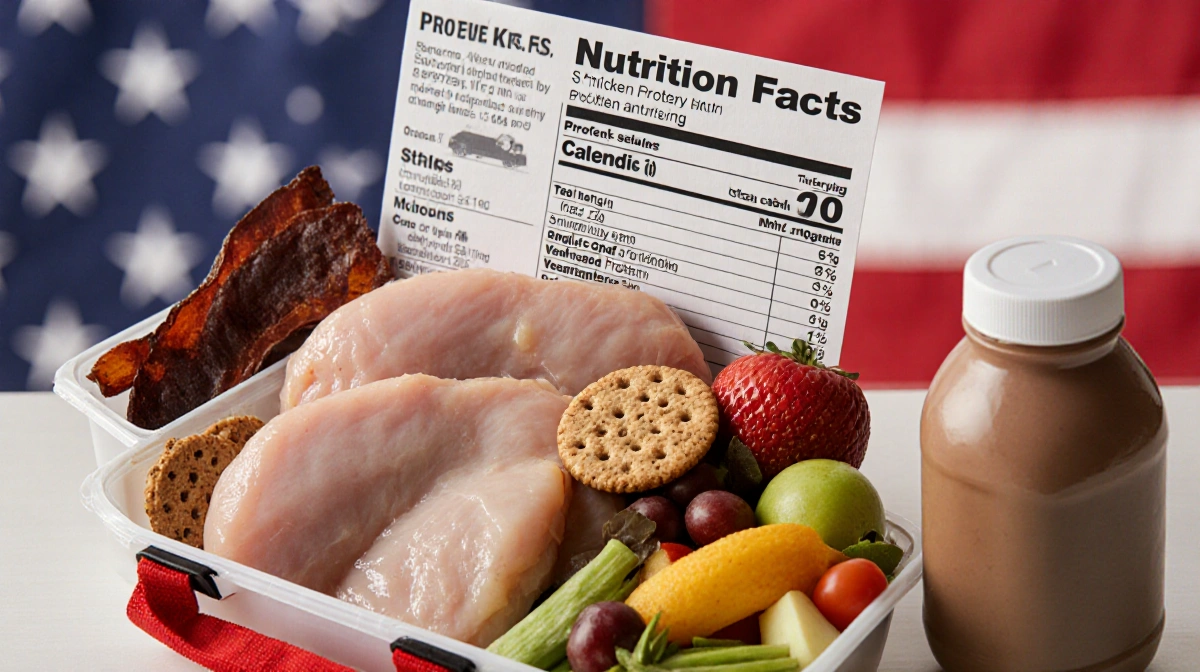
The new food pyramid emphasizes animal proteins and healthy fats while relegating plant-based options to a lesser role.
Potential Downsides of Eating More Protein
Beyond possible fat gain, trials used for weight-loss populations may not apply to the general public, experts note. Mozaffarian writes that outside strength training there is “little evidence” that higher protein builds muscle or provides other health benefits.
Dr. David Ludwig, an endocrinologist at Boston Children’s Hospital, worries the protein push could backfire if people simply add more processed items. “The main problem with the food supply is the processed carbohydrates,” he said. Yet shoppers already face toaster pastries, cereals, and even water spiked with extra protein.
Gardner expects the public response will be more junk-food purchases, not more whole foods.
What Counts as Protein and Current Intake Levels
Protein-found in every human cell-is built from amino acids, some of which must come from food. Besides animal products, it occurs in legumes, nuts, seeds, and soy, but the new guidelines downplay these sources.
Federal data show adult men average 100 grams daily, while women hover around 70 grams, both above the old minimum.
Industry Impact and Consumer Confusion
Manufacturers have already rolled out protein-added versions of bars, chips, and bottled drinks. With the government now urging higher intake, observers predict a fresh marketing wave.
“I think the American public’s gonna go buy more junk food,” Gardner said, arguing the guidance undercuts its own goal of steering people toward unprocessed ingredients.
Key Takeaways
- The guidelines now advise 100 grams of protein daily, double the old minimum for many adults
- Officials say the change supports muscle health, but critics see no new science backing the jump
- Americans already exceed previous targets, so the shift may mostly fuel processed-food marketing
- Excess animal protein can convert to fat, raising diabetes risk, researchers warn