


On Tuesday, the Bureau of Labor Statistics released delayed jobs data showing the U.S. shed 105,000 jobs in October and added 64,000 jobs in November.
Job Growth Trends
The year began with robust hiring, averaging about 122,000 new jobs per month during the first four months. From May through November, that pace fell to roughly 32,000 jobs a month, a dramatic slowdown.
Since May, payrolls have risen in four months and fallen in three. The three months of job losses represent the first time since 2020, when the pandemic caused widespread unemployment, that any month saw more job cuts than hires.
Disparities in Unemployment
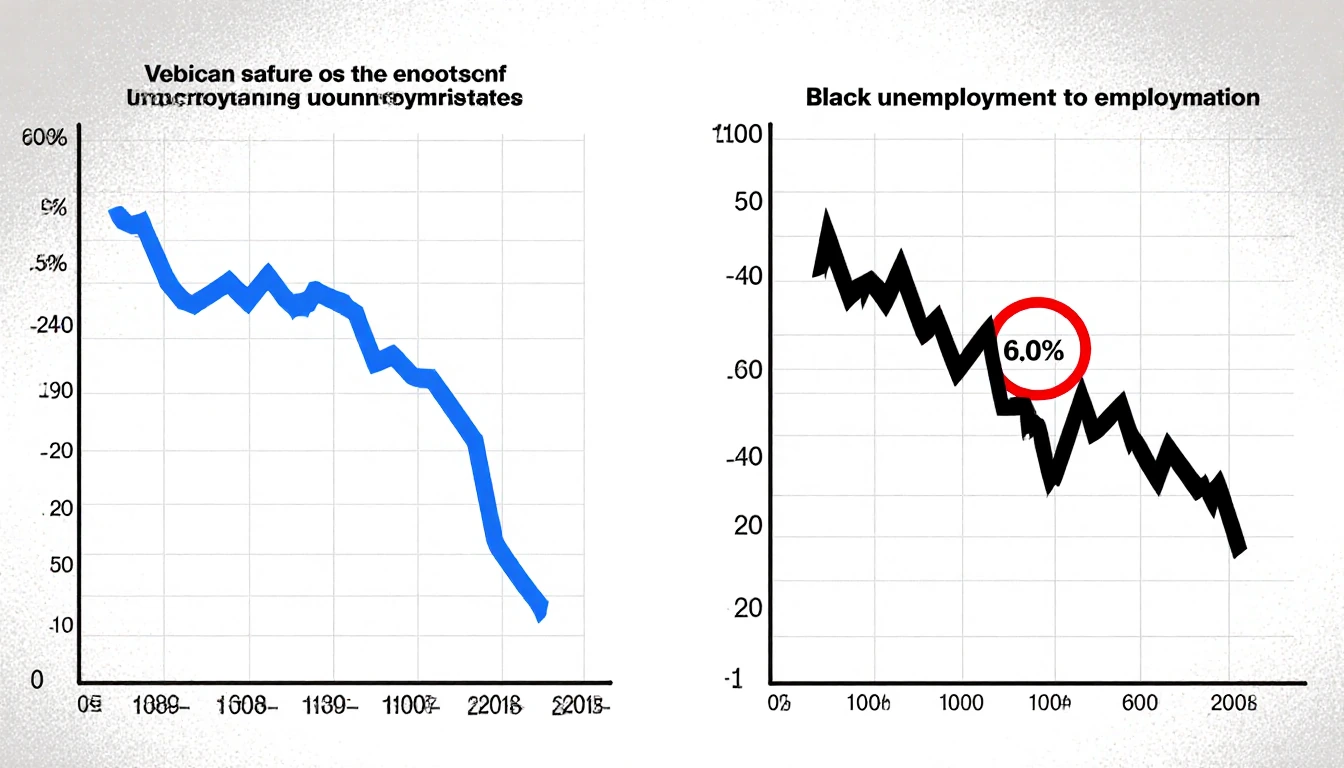
Black workers have experienced a sharper rise in unemployment than the national average. In May, Black unemployment fell to a low of 6.0%, just 1.8 percentage points above the overall rate that month.
By November, the Black unemployment rate had climbed to 8.3%, 3.7 percentage points higher than the broader U.S. workforce. From May to November, the national unemployment rate increased by only 0.4%, while Black unemployment rose 2.3%.
Sector Shifts
Nearly all private sector job growth over the past two months has come from health care and social services. In November, home health care aides and nursing home positions led health care hiring, while individual and family services—covering care for the elderly and disabled—were the fastest‑growing social services category.
Sage Economics noted that almost all job growth this year originates from these two sectors.
Manufacturing and White‑Collar Declines
Outside of government employment, which fell more than any other sector, the largest losses this year were an 80,000‑job decline in business services and a 63,000‑job loss in manufacturing, according to economist Zach Fritz of Sage Economics.
These manufacturing cuts occurred even as the Trump administration pledged to revitalize domestic production during its second term.
White‑collar job cuts have accelerated amid the rapid adoption of artificial intelligence. While it is unclear how many positions are directly displaced by AI, Goldman Sachs estimates that widespread AI implementation could displace 6‑7% of the U.S. workforce.
Teen Unemployment Surge
Teen unemployment rose to 16.3% in November, after reaching 13.2% in September, just before the government shutdown. This level is the highest teen unemployment rate since August 2020, when COVID‑19 kept many teenagers out of the workforce.
Key Takeaways
- U.S. job growth slowed sharply, with manufacturing jobs falling and health care and social services dominating hiring.
- Black unemployment has risen faster than the national average, widening the racial gap.
- Teen unemployment is at its highest level in over a decade.
The latest data paints a picture of a labor market in transition, with significant disparities and sectoral shifts that may signal deeper challenges ahead.