> At a Glance
> – Nicolás Maduro and wife Cilia Flores were seized by U.S. forces from a Caracas military base Saturday night
> – They now face narco-terrorism conspiracy charges in a New York federal courtroom near U.N. headquarters
> – World powers including France, China and Russia condemn the operation as a violation of international law
> – Why it matters: The raid tests the post-WWII rules-based order and signals “might makes right” may replace multilateral norms, raising fears of copy-cat interventions elsewhere
The United States has forcibly removed Venezuelan President Nicolás Maduro from power, delivering him to a U.S. courtroom and igniting a firestorm over whether Washington has shredded the very international rules created to prevent another world war.
The Operation
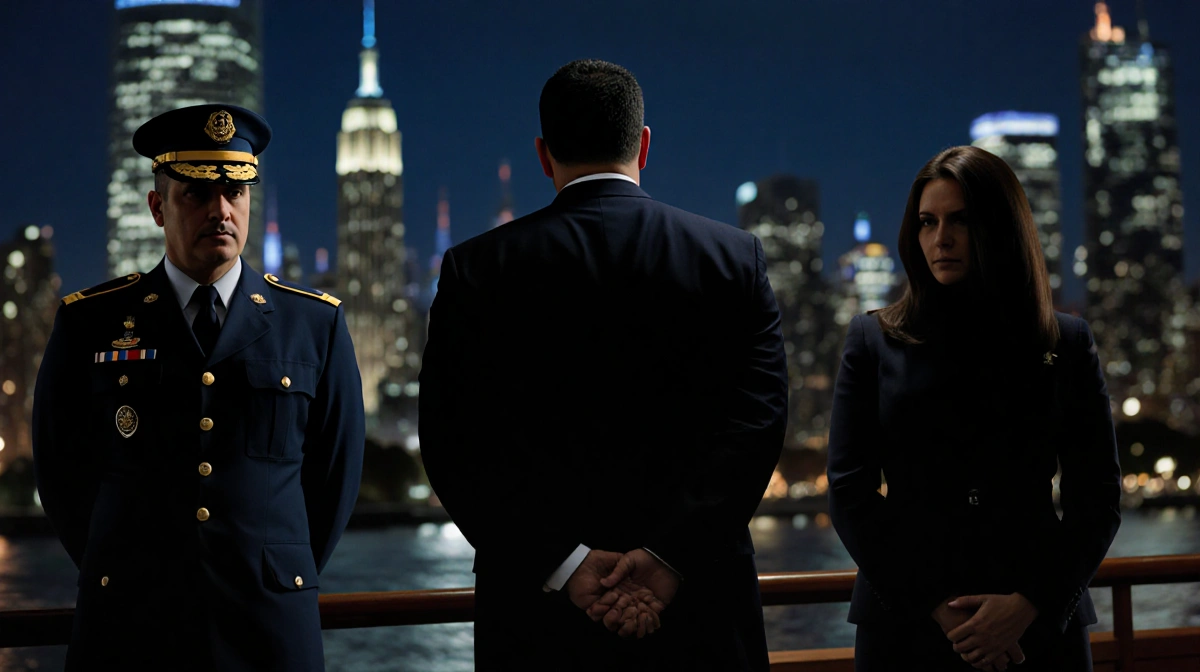
Under cover of darkness, American operatives extracted Maduro and first lady Cilia Flores from their residence inside a Caracas military compound. The couple now stands charged with participating in a narco-terrorism conspiracy, with prosecutors arguing the Venezuelan state has morphed into a drug cartel.
U.S. Ambassador to the U.N. Mike Waltz defended the raid as a “surgical law enforcement operation,” while the administration claims it is legally at “armed conflict” with Venezuelan drug networks. A memo obtained in October by News Of Fort Worth first revealed that stance.
Global Backlash
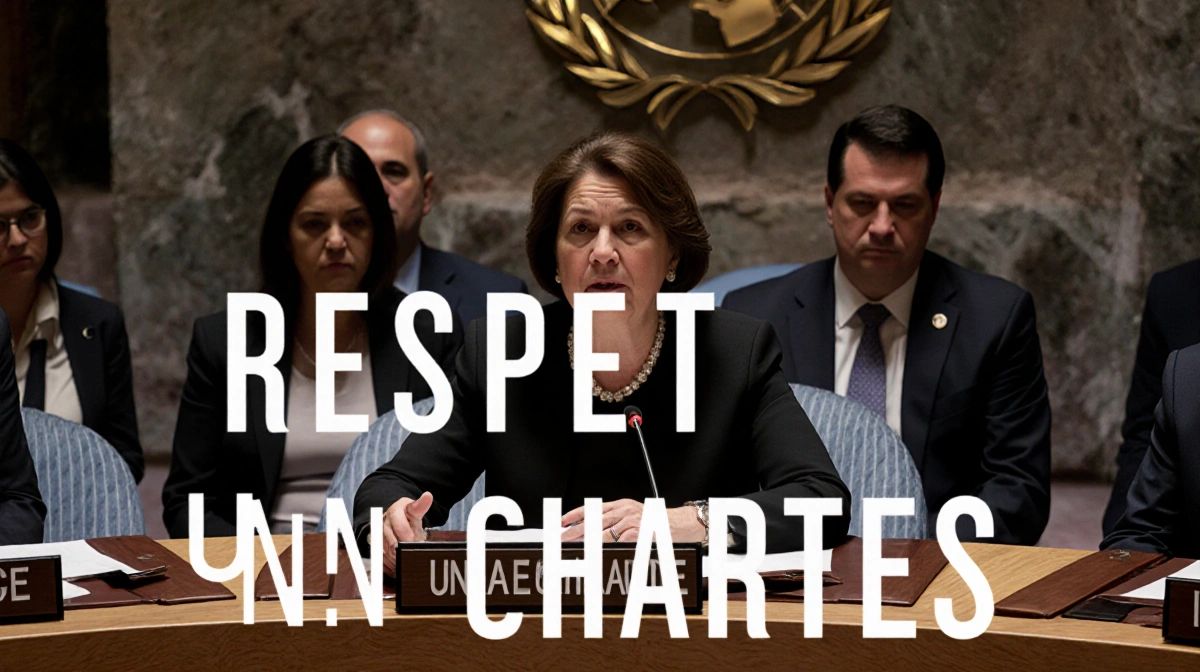
U.N. Undersecretary-General Rosemary A. DiCarlo urged the Security Council on Monday to recommit to the U.N. Charter, warning peace depends on respecting every clause.
French Foreign Minister Jean-Noël Barrot said the capture “runs counter to the principle of the non-use of force,” adding repeated violations by permanent Security Council members “will spare no one.”
Russia’s U.N. envoy Vasily Nebenzya called the move “a turn back to the era of lawlessness” and urged the council to reject U.S. methods.
China’s Foreign Ministry labeled the action “blatant use of force against a sovereign state,” accusing Washington of acting as the “world’s judge.”
Flashpoints on the Map
Analysts fear Maduro’s fate could embolden similar grabs elsewhere:
- Ukraine: Kyiv think-tank head Volodymyr Fesenko noted Russia long eroded global norms, “and unfortunately Trump’s actions have continued this trend.”
- Greenland: Trump told reporters Sunday the island is “covered with Russian and Chinese ships” and repeated his desire to annex the Danish territory for U.S. security. Danish PM Mette Frederiksen replied Copenhagen already grants America broad access and Trump has “no right to annex” it.
- Taiwan: After a U.S. arms sale announcement, China wrapped the island in military drills last week. Beijing prefers gradual pressure to any Trump-style snatch operation, yet Maduro’s capture underscores Washington’s speed and unpredictability.
- Iran: Trump warned Tehran on Friday the U.S. “will come to their rescue” if it “violently kills peaceful protesters,” following strikes on Iranian sites in June.
Europe’s Dilemma
The European Union acknowledged Maduro lacks legitimacy but stressed “the principles of international law and the U.N. Charter must be upheld.” Trump’s national security strategy brands the bloc weak and aims to restore “American preeminence in the Western Hemisphere.”
Hungarian PM Viktor Orbán, a Trump ally, dismissed international rules, saying they “do not govern the decisions of many great powers.”
Key Takeaways
- U.S. forces seized a sitting president without host-nation consent, testing the post-1945 legal framework
- France, China and Russia warn the precedent undermines global stability
- Trump has floated similar moves against Colombia’s President Gustavo Petro, already under U.S. drug sanctions
- Allies like Denmark and EU institutions scramble to defend sovereignty without rupturing trans-Atlantic ties
As Maduro faces justice in Manhattan, the world watches to see whether today’s exception becomes tomorrow’s playbook.