

At a Glance
- Growth hit 4.3% in the July-September 2025 quarter
- Hiring slowed and unemployment rose to 4.6%
- Inflation ticked up to 2.8% in September
- Why it matters: These mixed signals will influence 2026 policy and corporate hiring plans
The U.S. economy in 2025 showed a paradox: while growth accelerated to 4.3% in the last quarter, job gains stalled and inflation stayed stubbornly high. The slowdown in hiring, coupled with a rise in unemployment to 4.6%, raises questions about the sustainability of the boom. Analysts point to AI adoption and tariff uncertainty as key drivers.
Growth and Consumer Spending
Growth in 2025 accelerated after a sluggish start, driven largely by consumer spending that remained robust even as sentiment stayed gloomy. Higher-income households dominated the spend, boosting the economy to its strongest pace in two years.
- 4.3% annual growth in Q3 2025
- Consumer spending led growth
- Growth followed two quarters of tariff-related distortions
Job Market and AI Impact
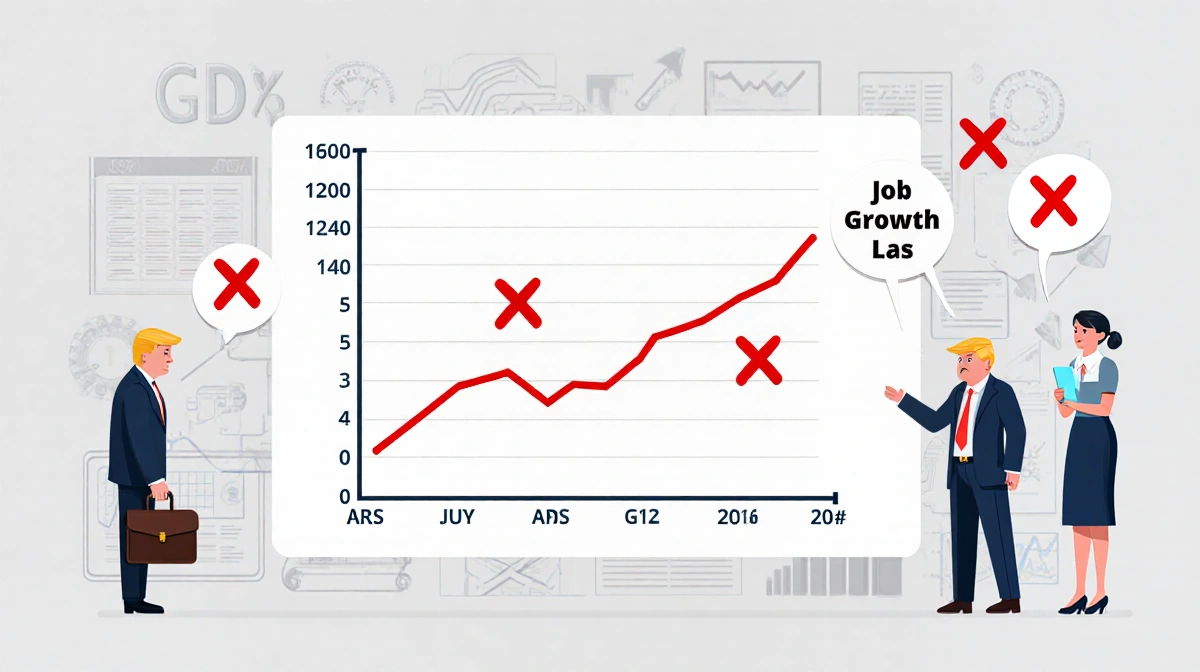
Despite the expansion, hiring did not keep pace. Job gains weakened after President Donald Trump‘s tariff announcement in early April, and the economy shed jobs in June, August, and October. Unemployment climbed from 4% in January to 4.6% in November.
- Hiring slowed after tariff uncertainty
- AI adoption may be holding firms back
- Waller noted AI as a dominant factor
Stephen Stanley said:
> “2026 begins at a time when it is hard to say how 2025 ended.”
He added:
> “I expect hiring will pick up on the back of stronger growth fueled by large tax refunds early this year, a result of President Donald Trump‘s tax cut legislation. Companies may also step up hiring because they face much less uncertainty this year from tariffs.”
Christopher Waller said:
> “This year could turn out to be a better year. Now whether that pulls the labor market along with it, I certainly hope it does.”
He also mentioned AI:
> “AI, AI, AI, AI — that is all I have heard since this summer.”
Inflation and Political Fallout
Inflation remained stubbornly high, with the Fed’s preferred measure rising to 2.8% in September from 2.7% in December 2024. The CPI cooled in November, but shutdown-related data gaps cast doubt on the accuracy. Elevated costs became a political issue in races across the country, with Democrats winning key contests.
| Measure | December 2024 | September 2025 |
|---|---|---|
| Fed Preferred | 2.7% | 2.8% |
Key Takeaways
- Growth hit 4.3% in Q3 2025 but hiring lagged.
- Unemployment rose to 4.6%, the highest in four years.
- Inflation stayed above 2%, with AI and tariffs influencing the labor market.
The mixed economic indicators suggest 2026 will be a year of cautious optimism, as growth and inflation remain strong while the job market grapples with new technology and policy shifts.