
At a Glance
- A study of 321,743 children found early vaccines predict timely MMR.
- On-time first-dose MMR rates fell from 79.9% in 2021 to 76.9% in 2024.
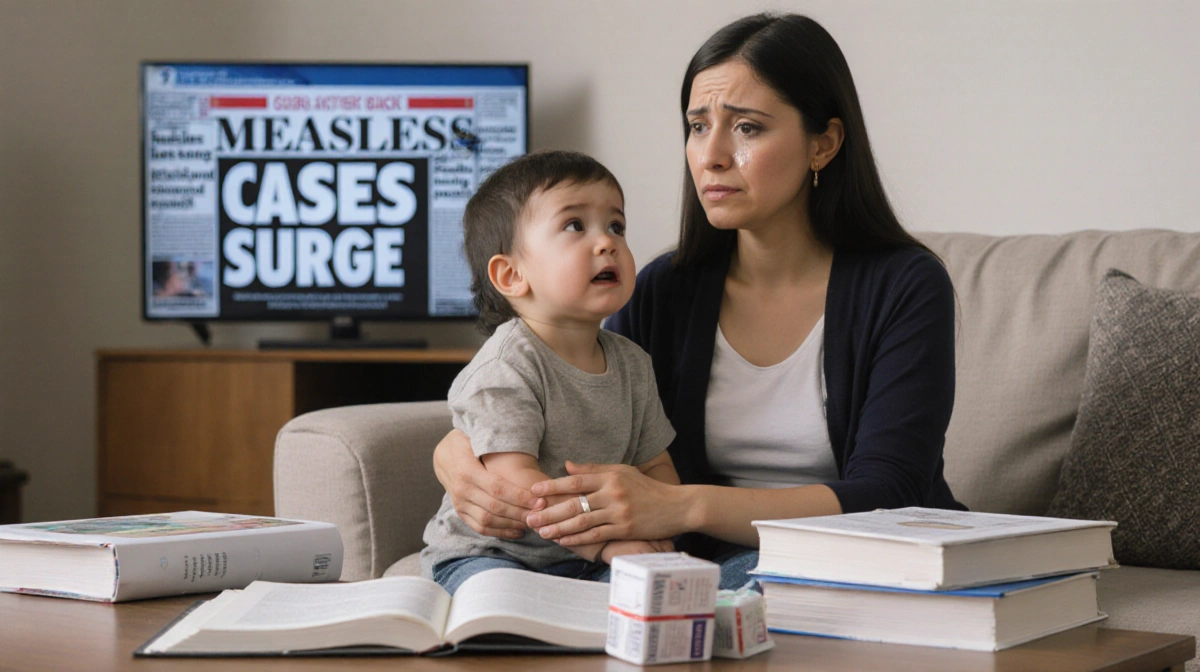
- More than 2,000 measles cases reported in 2025, the highest since 1992.
- Why it matters: Delaying early shots could leave kids vulnerable as measles resurfaces and vaccine hesitancy rises.
A new study published in JAMA Network Open warns that skipping vaccines in the first few months of life may keep children from receiving the first dose of the measles, mumps and rubella (MMR) vaccine on schedule. The research, based on 321,743 children who consistently see a doctor, found that early shots are the best predictor of timely MMR. With measles cases climbing and exemption rates surging, the findings add urgency to the debate over the U.S. childhood vaccine schedule.
Study Finds Early Vaccine Delays Predict MMR Misses
Researchers analyzed health records and discovered that children who receive the recommended vaccines within the first four months are far more likely to get their first MMR dose between 12 and 15 months. The findings highlight growing confusion over the optimal timing for protecting infants.
Nina Masters said:
> “It was a surprise for me to see how early this was happening. To see that the first visit, that 2-month visit, we’re already seeing a strong effect between parents who are delaying that vaccine and then not getting the MMR vaccine for their child, to me, just indicates that that hesitancy is happening really early.”
- RSV
- First hepatitis B vaccine
- DTaP
- Rotavirus
- Polio
- Pneumococcal
- Hib
Changing Schedule Sparks Distrust and Rising Exemptions
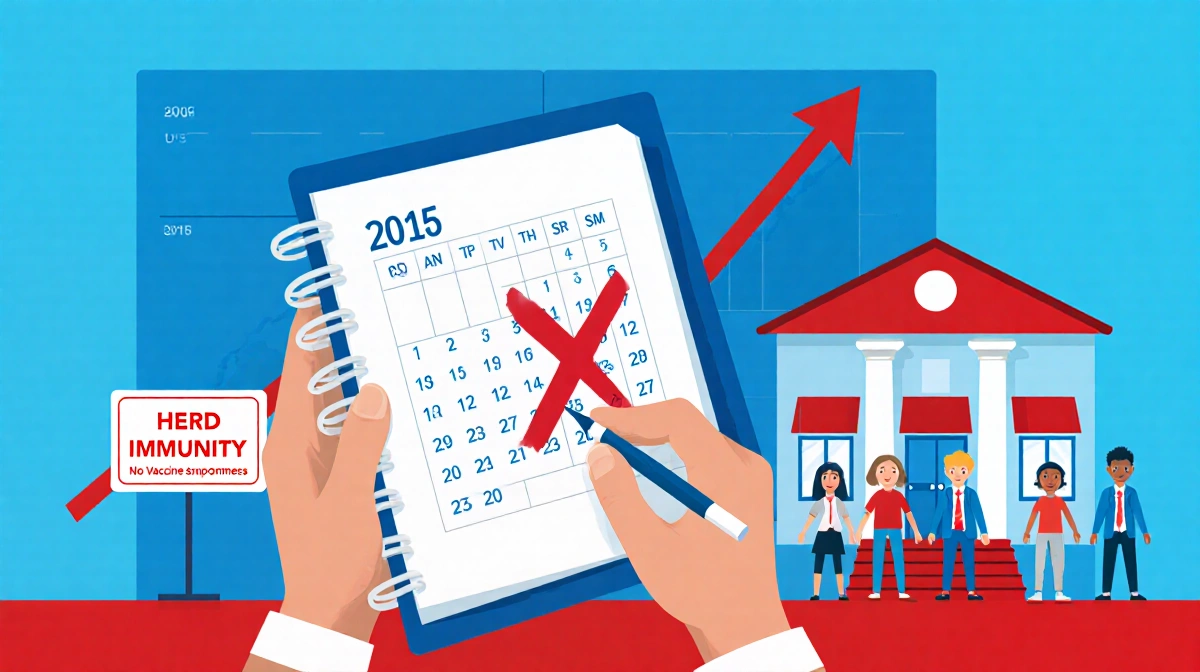
Recent policy shifts, such as the Centers for Disease Control and Prevention advisory panel’s decision to postpone the first hepatitis B vaccine until 2 months, have fueled parental doubts and may affect other shots. An NBC News/Stanford University data investigation found that school exemption rates have more than doubled in over half of U.S. counties, and 67% of jurisdictions now have kindergarten MMR rates below the 95% herd-immunity threshold.
| Year | On-time first-dose MMR rate |
|---|---|
| 2021 | 79.9% |
| 2024 | 76.9% |
Angela Rasmussen said:
> “you’re going to be unprotected for a longer period of time while that delay is in place.”
Dr Nathan Lo said:
> “if that first dose is delayed even further, say, two years, or what have you, then there’s an even bigger window for there to be gaps in susceptibility that put children at risk of measles, especially when measles is starting to circulate more in the United States.”
Dr Lee Harrison said:
> “Measles is sort of the canary in the coal mine, the smoke alarm.”
> “When you start to see declines in coverage rates, then you start to see outbreaks,” Harrison said.
The study’s implications are echoed by experts who warn that delayed first doses create longer unprotected periods and risk outbreaks.
Key Takeaways
- Early vaccine delays strongly predict missing the MMR window.
- Policy changes and rising exemptions are eroding herd immunity.
- Over 2,000 measles cases in 2025 signal the urgency of timely vaccination.
As the U.S. grapples with shifting schedules and rising hesitancy, the study underscores that timely early shots are essential to keep children protected from measles and other vaccine-preventable diseases.