
At a Glance
- US captures Nicolás Maduro and claims entire Western Hemisphere
- Trump warns China to sever ties with Venezuela
- Beijing condemns attack but keeps economic grip
- Why it matters: China remains Latin America’s top trading partner
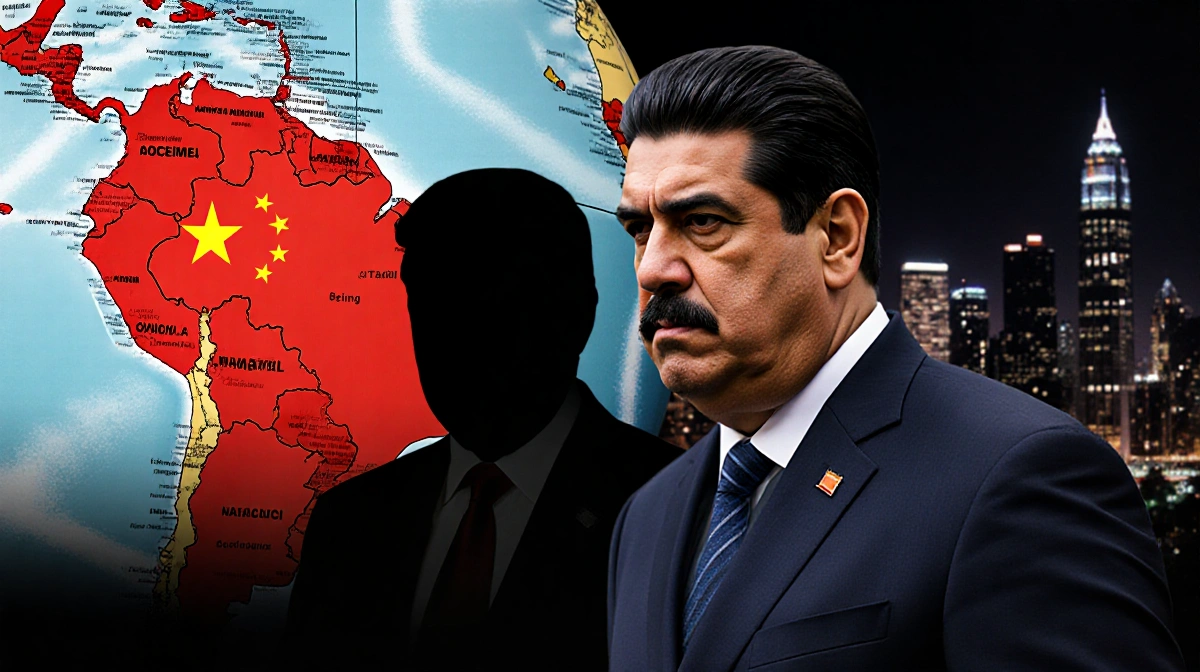
The United States declared authority over the Western Hemisphere after capturing Venezuelan leader Nicolás Maduro, sending a warning to China to stay out of America’s backyard.
The Capture and Warning
Trump administration officials cited countering China’s influence as justification for the attack. Secretary Marco Rubio stated the US won’t allow adversaries to use the hemisphere as a base of operations.
China condemned the strike but continues economic ties. Energy Secretary Chris Wright said the US won’t cut China off from Venezuelan oil purchases.
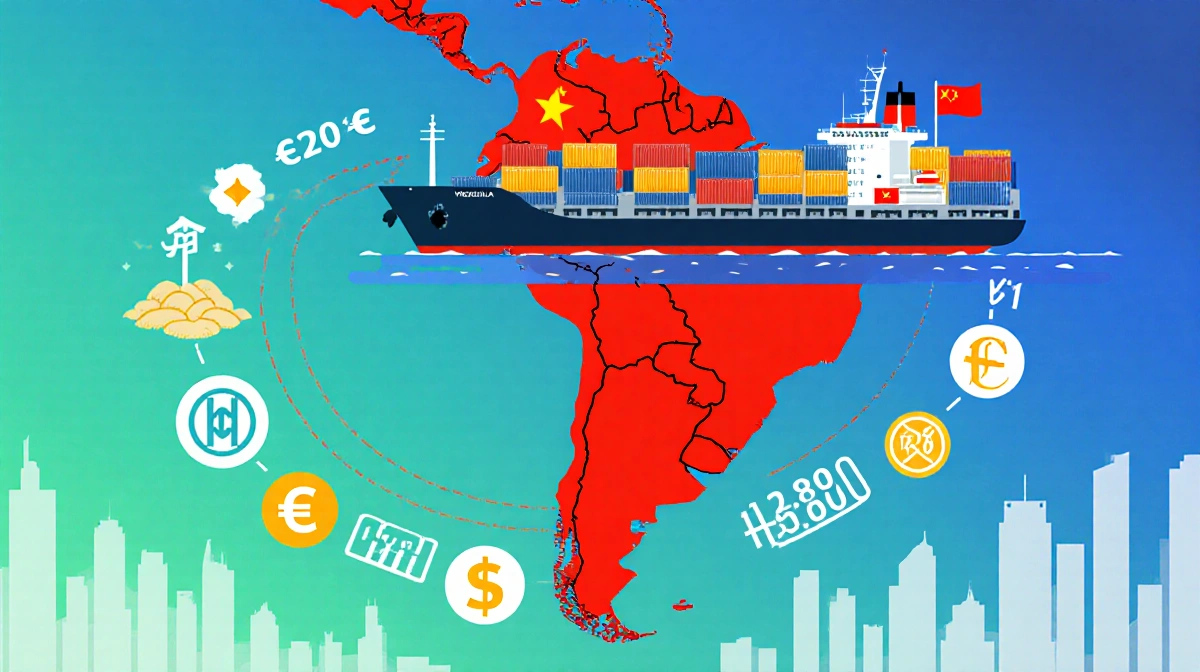
China’s Economic Presence
China dominates Venezuelan oil exports, buying the majority of crude shipments. However, Venezuelan oil represents only single-digit percentages of China’s total purchases.
Key projects include:
- Chancay deep-water port in Peru
- Belt and Road infrastructure investments
- Trade overtaking US in 2010
| Country | China’s Trade Status |
|---|---|
| Venezuela | Buys majority of oil exports |
| Peru | Chancay port opened 2024 |
| Panama | Withdrew from Belt and Road |
Regional Response
Latin American reactions split along ideological lines:
- Right-wing leaders: Argentine Milei and Ecuador’s Noboa support US
- Left-wing leaders: Mexico’s Sheinbaum and Brazil’s Lula condemn action
Consumer adoption remains widespread:
- Xiaomi and Huawei smartphones
- BYD electric vehicles
- Infrastructure projects
Key Takeaways
- US declares hemisphere authority but China maintains economic influence
- Beijing condemns attack yet continues oil purchases
- Latin American leaders divided in response
- Everyday Chinese presence unaffected by political declarations
The declaration highlights competing powers vying for influence while China maintains deep economic roots.