
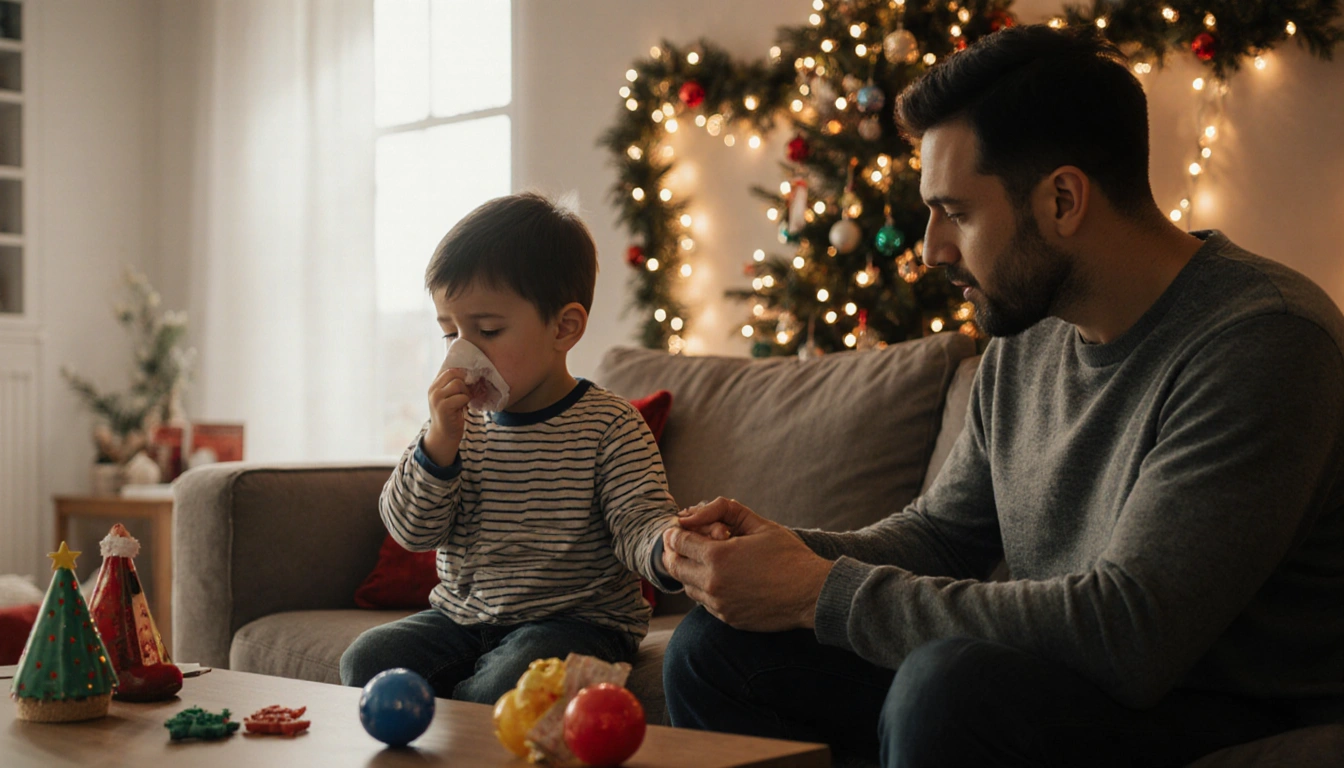

Before you head out to the holiday party, ask yourself if your child’s sniffles warrant a stay‑home decision.
When a Runny Nose Isn’t Enough
“A runny nose alone doesn’t scare me,” Dauer tells TODAY.com. “A lot of kids are going to have runny watery noses in the winter season. It can be from the cold weather, or it can be from allergies in the fall. A sniffle is not going to do much damage, especially with good hand hygiene.”
Fever, Vomiting, and Diarrhea: Clear Red Flags
Dauer says you should absolutely stay home “if you wake up and you have a fever, if you wake up and you’re vomiting or have diarrhea — even if you had that yesterday,”. She adds, “I want 24 hours symptom‑free before we are going to a party because when you have a fever, you are at your highest contagion point.”
How to Measure Your Child’s Temperature
Checking your child’s temperature with a “fancy scanner” is unnecessary, Dauer recommends. She advises using a standard in‑ear thermometer for kids over 2 months old. For infants less than 2 months, a rectal temperature is advised. She notes, “A fever in that age group is a medical emergency.”
CDC’s Stay‑Home Checklist
The U.S. Centers for Disease Control and Prevention suggest staying home if you have a fever, vomit more than twice in the preceding 24 hours, have diarrhea or more frequent than usual bowel movements, exhibit skin sores that are draining, or have respiratory virus symptoms that are not improving.
The Hidden Risks of Attending Parties
Dauer explains, “You don’t know who has a newborn at home. You don’t know which one of these kids is immunocompromised or recently had cancer. You don’t know who has an immunocompromised person in their home.” She continues, “When we go to a party, we anticipate and expect that others are going to have the respect and the decency to not come if they’re sick, just in case we have someone who is extraordinarily vulnerable.”
Practical Takeaway for Parents
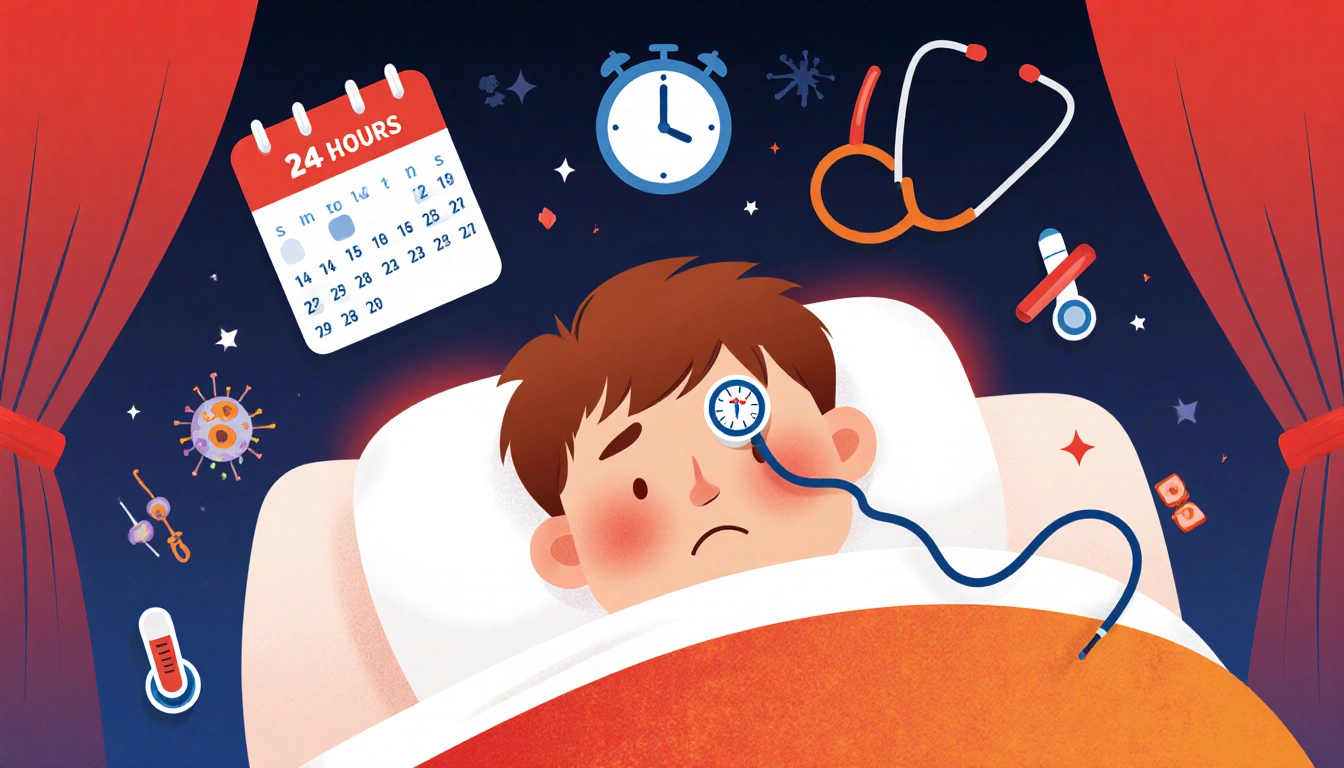
If your kid had a fever this morning and you gave him Motrin and it went away, that doesn’t count. At that point, it’s better to stay home and keep your germs to yourself. Dauer stresses the importance of a 24‑hour symptom‑free window before attending social gatherings.
Key Takeaways
- A runny nose alone is usually not a reason to stay home.
- Fever, vomiting, or diarrhea are clear reasons to keep your child home.
- Use an in‑ear thermometer for children over 2 months and a rectal one for infants.
The holiday season can bring many opportunities for family gatherings, but keeping your child healthy—and protecting others—requires careful judgment. By following the pediatrician’s guidelines and the CDC’s recommendations, parents can make informed decisions about attending parties while minimizing the risk of spreading illness.