

At a Glance
- Wikipedia turns 25 this month and serves 2 billion devices monthly.
- Founder Jimmy Wales says authoritarian fines, arrests of volunteers, and AI scraping are rising threats.
- $207.5 million 2025-26 budget funds 600 staff across 54 countries.
- Why it matters: The volunteer-driven encyclopedia’s neutrality model is under pressure from governments, tech giants, and polarization.
Wikipedia’s co-founder Jimmy Wales says the site has never been more critical-or more besieged. In a wide-ranging interview with News Of Fort Worth, timed to the encyclopedia’s 25th anniversary, Wales described how authoritarian governments, AI companies, and culture wars are testing the platform’s volunteer-first ethos.
Born from the failure of the expert-only Nupedia, Wikipedia launched on January 15, 2001, after Wales’s newborn daughter’s illness highlighted the web’s information gaps. The switch to an open, wiki-based model exploded: today 2 billion devices access the site each month, yet the Wikimedia Foundation employs only about 600 people.
Global Crackdowns
Operating in 54 countries means clashing with regimes that demand narrative control.
- Russia has issued multiple unpaid fines.
- China maintains a complete block; Turkey imposed a three-year ban.
- Volunteers have been arrested in Belarus and Saudi Arabia.
Wales says the foundation works quietly with human-rights lawyers, but admits “there are limits” to protection once a volunteer is detained. He urges editors in risky regions to mask identities with VPNs.
AI and the Musk Factor
Elon Musk’s “Woke-ipedia” jabs and launch of a rival site worry Wales less than algorithmic slop.
> “AI can do a passable impression of a human being until you look a little closer,” he says, stressing that community health, not traffic, keeps him up at night.
He argues that labeling Wikipedia as captured by the left “tells thoughtful conservatives Wikipedia is hostile and tells activists it’s their new home,” undermining the very neutrality editors strive to protect.
Money, Scale, and Trust
The foundation’s $207.5 million annual budget-roughly equal to expenses-pays for servers, legal fights, and global programs, yet remains tiny compared with Big Tech. Growth from zero to 600 staff over 25 years, Wales notes, is modest against firms that “go from zero to 12,000 in a few years.”
Still, fundraising banners may become more frequent if AI scraping reduces page views and donations. Wales insists Wikipedia’s competitive edge is human deliberation: articles “chewed on and thought about and debated” by volunteers.
Neutrality Playbook
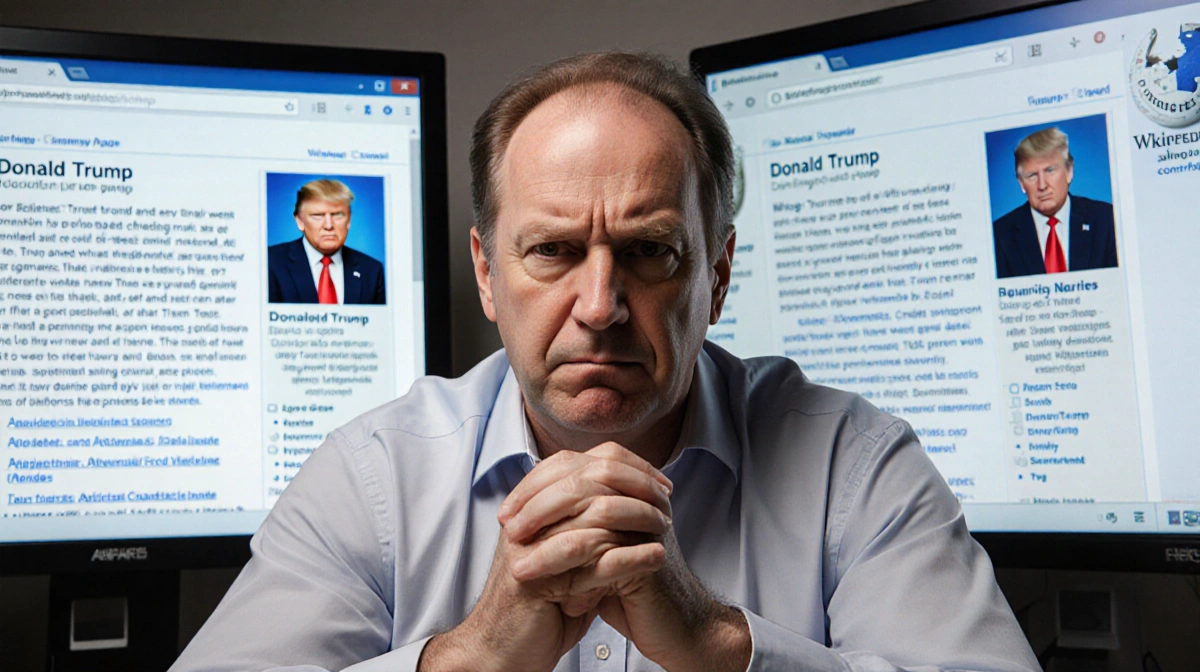
Wales, who refuses to edit Donald Trump articles because the topic makes him “insane,” says bias control rests on source diversity and editor self-awareness.
- Describe positions, don’t adopt them.
- If emotions run too high, step away from the topic.
- Quality conservative journalism should be funded, not dismissed, to balance sourcing.
He rejects claims that relying on mainstream outlets makes Wikipedia intrinsically left-wing, noting The Wall Street Journal remains a cited source.
How to Help
Besides donating, Wales wants users to make small edits-fix a typo, add a citation-so the community continually refreshes.
> “Just pick something obscure and make a little edit… we try to be this friendly bunch of nerds, and we’re always looking for friends.”
Key Takeaways
- Wikipedia’s volunteer model faces state censorship, legal fines, and AI scraping as traffic monetization tightens.
- Neutrality is procedural: editors cite reliable sources, exclude personal POV, and debate fiercely but civilly.
- Financial sustainability depends on reader donations; page-view declines from AI answers could pressure future budgets.
- Wales sees community health-recruiting ideologically diverse, civil editors-as the most pressing defense against both authoritarian pressure and cultural polarization.
The encyclopedia that “anyone can edit” enters its next quarter-century betting that transparent, human curation will remain indispensable in an era of automated content and deepening distrust.