
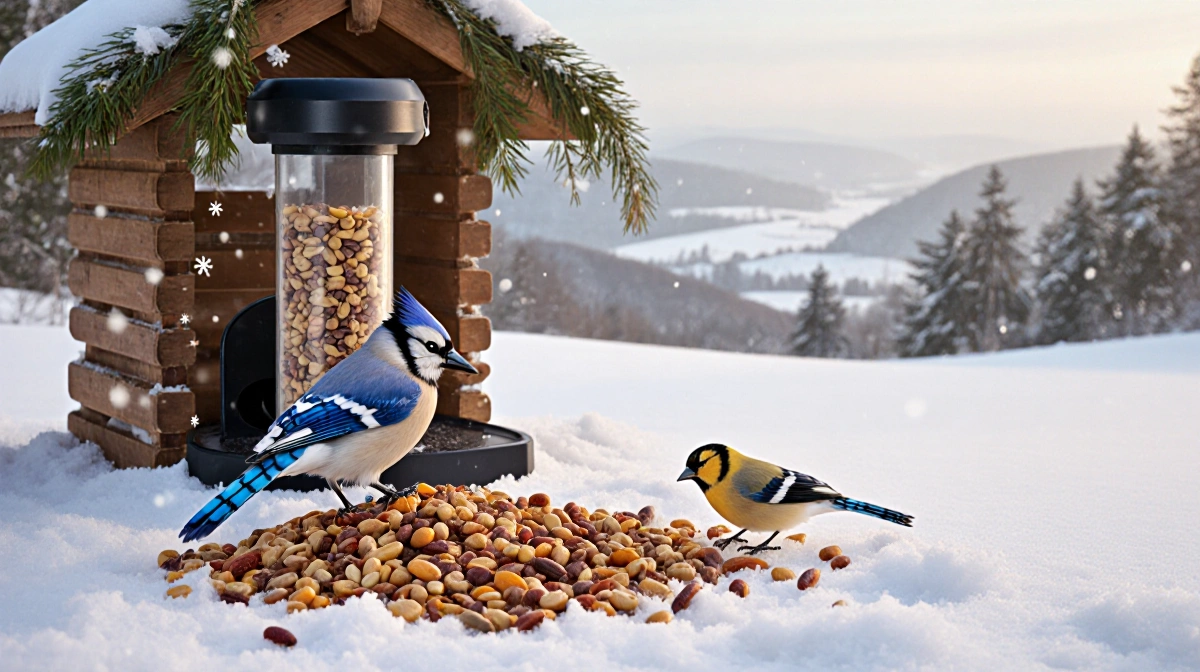

> At a Glance
> – Winter draws the highest feeder traffic of the year as birds shift to self-care mode
> – Diverse feed types-suet, sunflower, mealworms-double species visits
> – Smart feeders track real-time preferences to cut waste and costs
> – Why it matters: Simple menu and shelter tweaks turn your yard into a cold-season hotspot
Winter strips leaves, exposes birds to predators, and sends feeder activity soaring. Two ornithologists tell News Of Fort Worth how to cash in on the seasonal rush.
Mix the Menu
Noah Perlut, University of New England ornithologist, says variety equals diversity: “Offer various types of seeds in various styles of feeders.” Platform trays for mealworms, cages for suet, tubes for seed.
On the West Coast, that mix pulls chickadees, sparrows, and flickers. Maria Kincaid, head ornithologist at FeatherSnap, adds:
- Black-oil sunflower seeds
- Unsalted peanuts
- Mealworms
- High-fat suet (pepper-spiked cakes deter squirrels)
Use Smart Tech
Smart feeders with dual bays and suet-ball add-ons let owners log which food empties fastest. Kincaid notes winter diets shift to “high-fat and high-protein foods” to offset heat loss, so calorie-dense options disappear quickest.
Add Shelter
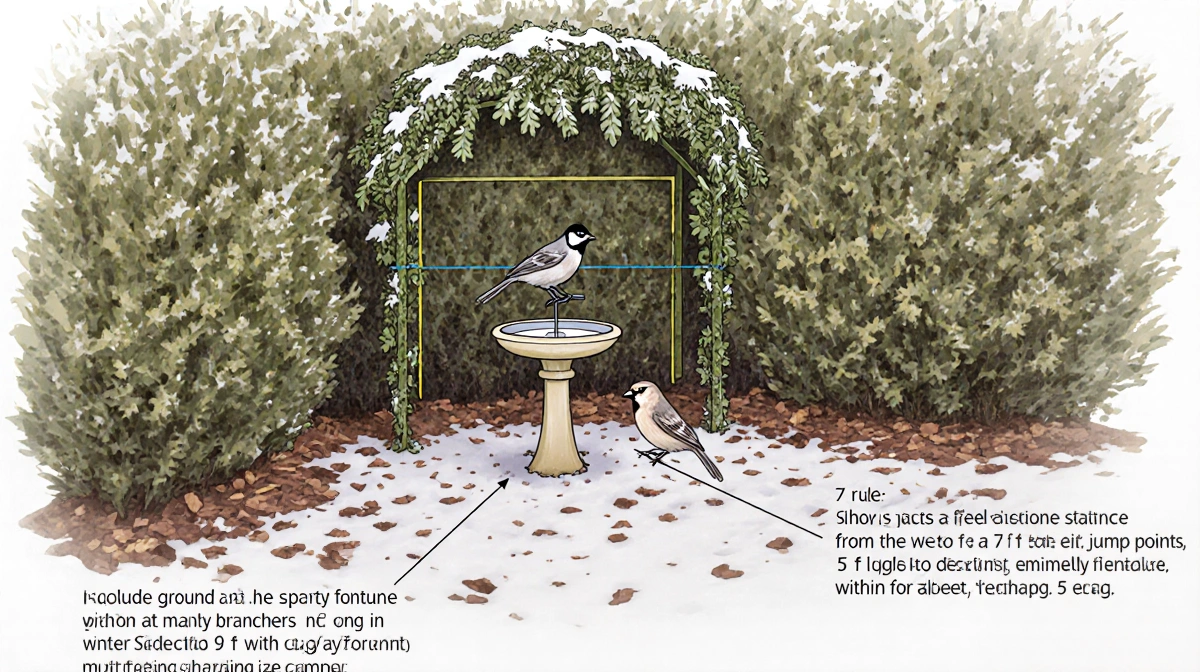
Sparse December foliage leaves birds exposed. Brush piles, dense shrubs, or evergreens within 5-7-9 rule range (5 ft high, 7 ft from jump points, 9 ft from overhangs) keep visitors safe and feeding longer.
Key Takeaways
- Winter is peak feeder season-activity spikes, not from scarcity but breeding downtime
- Multi-feeder, multi-food setups attract the widest species range
- Smart feeders identify top-selling menu items to reduce waste
- Shelter close by keeps birds coming back all season
Follow the trio-diverse menu, data-driven stocking, and protective cover-and your yard becomes the neighborhood’s winter refueling station.