
At a Glance
- USA Bobsled and Skeleton expects eight or nine women on its 2026 Milan-Cortina roster, most of them women of color.
- Black athletes already own multiple Winter Games medals for the U.S., including five-time medalist Elana Meyers Taylor.
- Cost and geography still limit wider participation in winter sports.
- Why it matters: A historically white Olympic space is rapidly diversifying, offering young athletes new heroes who look like them.
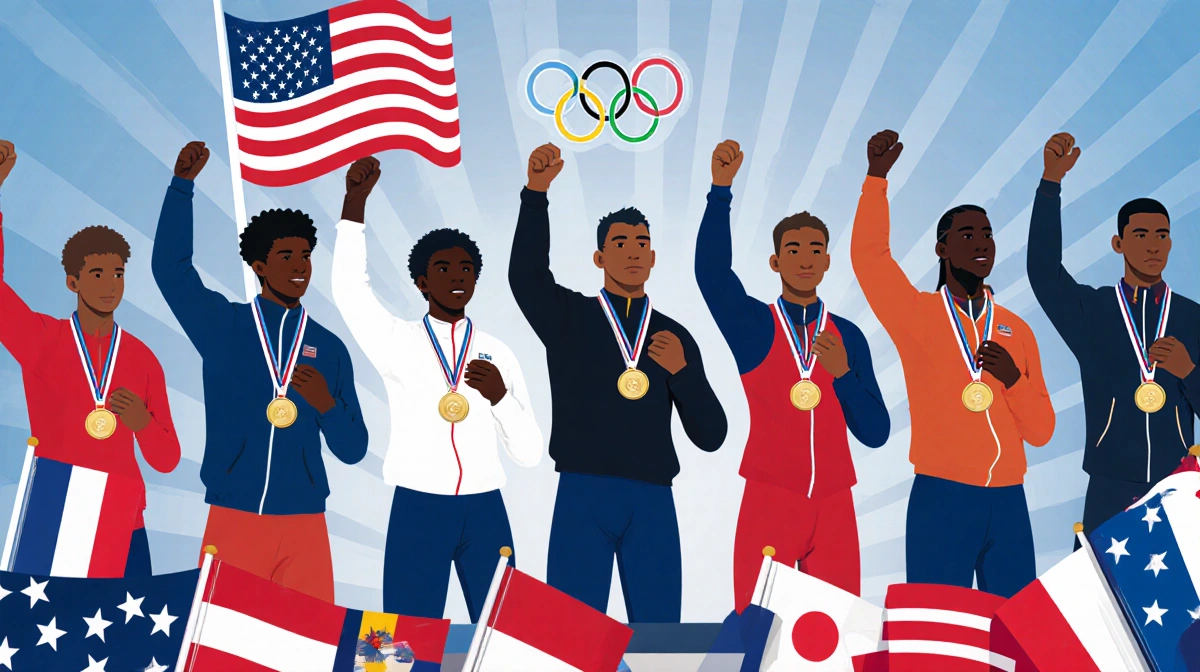
The next U.S. Winter Olympic team may break diversity records before the first race begins. When USA Bobsled and Skeleton releases its 2026 Milan-Cortina lineup, eight or nine women are projected to make the squad, and the majority will be women of color, according to Ryan J. Thompson reporting for News Of Fort Worth.
A New Look on Ice
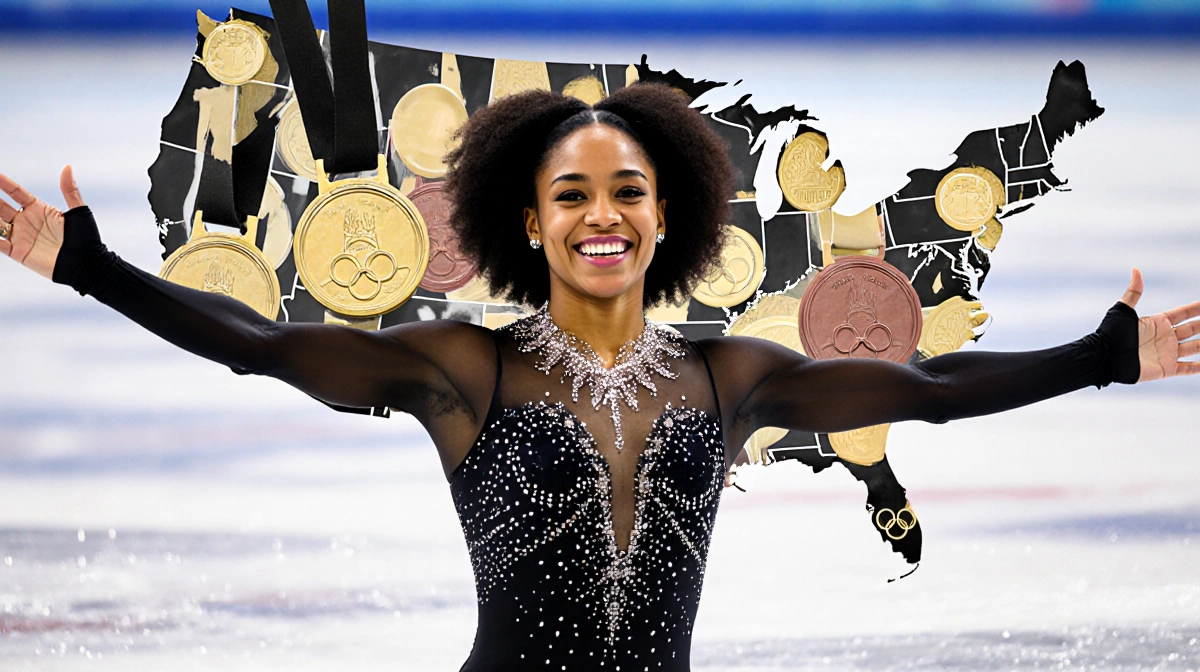
If projections hold, the 2026 roster will surpass the 21 Black or Asian athletes who competed for the U.S. in 2018-about 8 percent of that team. While winter sports still lag behind summer programs in diversity, sliders say momentum is accelerating.
“We’re really doing this,” said Mystique Ro, a U.S. skeleton athlete of Black and Korean heritage who won last year’s world mixed-team title with Austin Florian. “The train has left the station. We’re going. And it’s such a surreal feeling. … We’re really making history out here and it’s not slowing down at all.”
Medal Favorites Who Don’t Fit the Old Mold
Several Black women headline America’s medal hopes:
- Elana Meyers Taylor carries five Olympic medals, the most by any Black athlete in Winter Games history.
- Kaysha Love reigns as world monobob champion, the first Black woman to own that crown.
- Erin Jackson captured Olympic speed-skating gold in 2022, the first Black woman to win an individual Winter gold.
- Laila Edwards will become the first Black woman to skate for the powerhouse U.S. women’s hockey team.
“It’s a really big deal,” Edwards said. “Representation matters. In terms of processing it, I think I’m just trying to use it as something that motivates me to be the best role model and person I can be.”
Barriers Still Stand
Winter sports remain expensive and geographically isolated. The National Ski Areas Association reported in 2024 that only about 1 percent of U.S. ski-resort guests identify as Black. Of roughly 2,900 athletes who competed in Beijing 2022, the overwhelming majority were white.
Traditional European powers still field mostly white teams, while nations such as Ghana, Nigeria and Haiti send small delegations. Jamaica, famous for its “Cool Runnings” bobsled debut, continues to expand participation.
“I never thought I would be doing this,” said Jamaican bobsledder Adanna Johnson, who competed at age 17 in last year’s world championships. “The sport is growing. There are more opportunities.”
Visibility Beyond the Games
Athletes stress that spotlighting diversity can’t be limited to Olympic years. Ro urged governing bodies to promote athletes’ names and faces year-round.
“There’s a lot more diversity,” Ro said. “But seeing us without the helmet, seeing the roster, seeing the names, it’s just really important how we present it to the people so it’s not just at the Olympics. It has to be every year because we compete every year.”
From Track to Ice: A Well-Traveled Path
Most Uobsled medalists began in other sports, often track and field. Vonetta Flowers, the first Black woman to win U.S. bobsled gold, teamed with Jill Bakken for victory at the 2002 Salt Lake City Games. Meyers Taylor, a former college softball standout, lists Flowers as a key inspiration, as does Love.
Love, a record-setting high-school sprinter who attended UNLV, expected her Olympic path to run through gymnastics. Instead, a bobsled recruitment camp rerouted her plans.
“Growing up, I was really only excited about summer sports because that’s where I saw me. That’s where I saw representation,” Love said. “You always had Black athletes in gymnastics and track and even swimming sometimes. So, to know that now I get to be that representation along with like some of my other teammates who have worked so hard to be a part of this … that change is inspiring.”
Key Takeaways
- The U.S. could field its most diverse Winter Olympic roster ever in 2026, led by women of color in bobsled, skeleton and speed skating.
- Black athletes already own historic Winter medals, yet cost and access still limit broader participation.
- Current stars emphasize continuous visibility-not just quadrennial Olympic publicity-to sustain progress.
With the Milan-Cortina Games two seasons away, American winter sliders are poised to turn a once-rare sight-Black athletes on Olympic ice-into the new normal.