

Winter Weather Alert
At a Glance
- Icy conditions expected on side and secondary roads through Tuesday night.
- Wind chills will drop to the single digits on Saturday, with near-zero chills north of Interstate 20.
- Home-safety tips cover weatherstripping, pipe protection, pet shelter, and HVAC maintenance.
- Why it matters: Drivers, homeowners, and pet owners need to act now to avoid accidents, frozen pipes, and animal distress.
The latest forecast warns of a harsh cold spell across North Texas, with icy roads, freezing wind chills, and a series of temperature swings that could refreeze melted ice overnight. Drivers should prepare for slick conditions, while residents can use the coming days to winterize homes and protect pets and plants.
Weather Outlook
Tuesday’s Chill
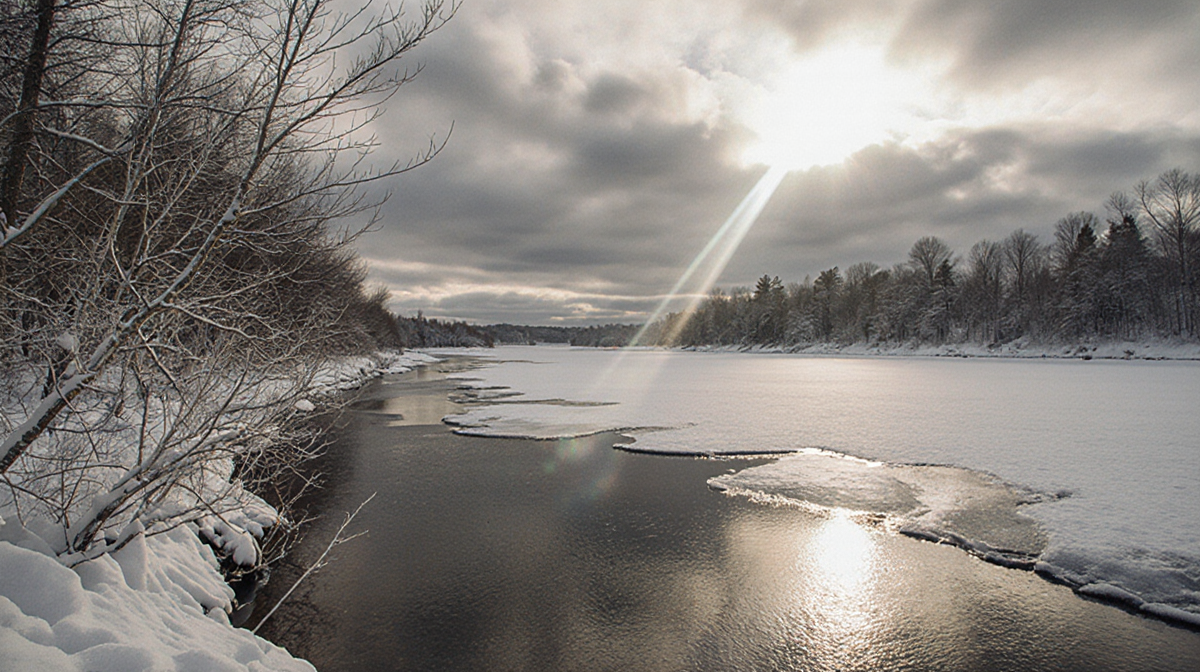
The day begins with temperatures in the teens and 20s, and icy conditions linger on side and secondary roads. A brief thaw will occur as temperatures climb above freezing around midday, but the cold will return quickly at night, refreezing any melted ice. Fog may form overnight, and if it is freezing, it will add to the slickness.
Wednesday and the Weekend
Afternoons on Wednesday will see temperatures rise into the 40s, leading to more melting followed by refreezing at night. The pattern will repeat through the weekend, with no precipitation expected. A cold front will bring wind chills between 8 and 15 degrees on Tuesday night, and lower-teen chills in North Texas west of Interstate 35.
Saturday’s Extreme Cold
Morning wind chills on Saturday are forecast in the single digits, with near-zero chills possible north of Interstate 20. An arctic front will bring extremely cold air, but no wintry precipitation is expected.
Home Winter-Proofing
Weatherstripping and Seals
Before the cold arrives, replace worn weatherstripping on doors and windows. Modern windows are sealed inside the frame, but older units may have a glaze that can crack. Replace the glaze in the spring or fall when temperatures are above the cure threshold.
Gutters and Drainage
Check gutters to ensure they are clear and allow water to flow to the downspout. Blocked gutters can lead to water entering the home, causing damage during freeze-thaw cycles.
Tree and Power-Line Safety
Trim trees away from power lines, homes, and cars. The Texas Department of Insurance recommends inspecting attic insulation levels as well.
Protecting Pipes
- Insulate outdoor faucets and leave indoor faucets on external walls dripping overnight.
- If leaving town, keep cabinet doors open so that external-wall pipes receive more heat.
- Wrap valves with towels only as a temporary fix; instead, use foam covers that attach quickly.
- Keep the main water valve location known; in the event of a burst, you can shut off water promptly.
Pet Safety
Even outdoor pets can suffer from hypothermia and pneumonia. The SPCA of Texas says, “If you’d be cold outside, odds are your pet is cold too.” Bring pets inside and ensure outdoor animals have dry, insulated shelters.
Irrigation and Sprinkler Systems
Turn off irrigation systems to prevent water from freezing on streets and damaging pipes. The city of Fort Worth recommends turning off timers, back-flow devices, and draining the main line. Insulate any above-ground pipes.
Plant Protection
Perennial potted plants should be brought inside. For plants that cannot be moved, cover them with frost cloth. The Dallas Arboretum advises watering soil by hand a day or two before a freeze, keeping foliage dry to insulate roots.
HVAC and Pool Care
- Replace or clean air filters every three months.
- Inspect ductwork for holes and rodent damage.
- If HVAC units are in attics, check for rodent nests.
- For pools, monitor pumps daily and drain equipment in the offseason if possible to avoid pipe bursts.
Battery Readiness
Keep a supply of fresh batteries for flashlights and other devices during power outages. Replace batteries in smoke and carbon monoxide detectors if they were not changed during daylight-saving time.
Winter Weather Fast Facts
| Fact | Detail |
|---|---|
| First freeze average | November 22 (North Texas) |
| Earliest freeze record | October 22, 1898 |
| Latest freeze record | April 13, 1997 and April 13, 1957 |
| Freeze days (1991-2020) | 29 per season between October and April |
| Most freeze days | January (followed by December and February) |
These statistics highlight how early and how long freeze conditions can persist in the region.
Key Takeaways
- Icy roads and freezing wind chills will make travel hazardous through Tuesday night and into the weekend.
- Home-safety measures-weatherstripping, gutter cleaning, pipe insulation-are essential to prevent damage.
- Pets and plants need shelter and protection from the cold.
- HVAC, pools, and batteries should be checked and prepared for potential outages.
- The region’s freeze history underscores the importance of early preparation.
By acting now, drivers can reduce accident risk, homeowners can avoid costly repairs, and pet owners can keep their animals safe from the harsh winter temperatures.