
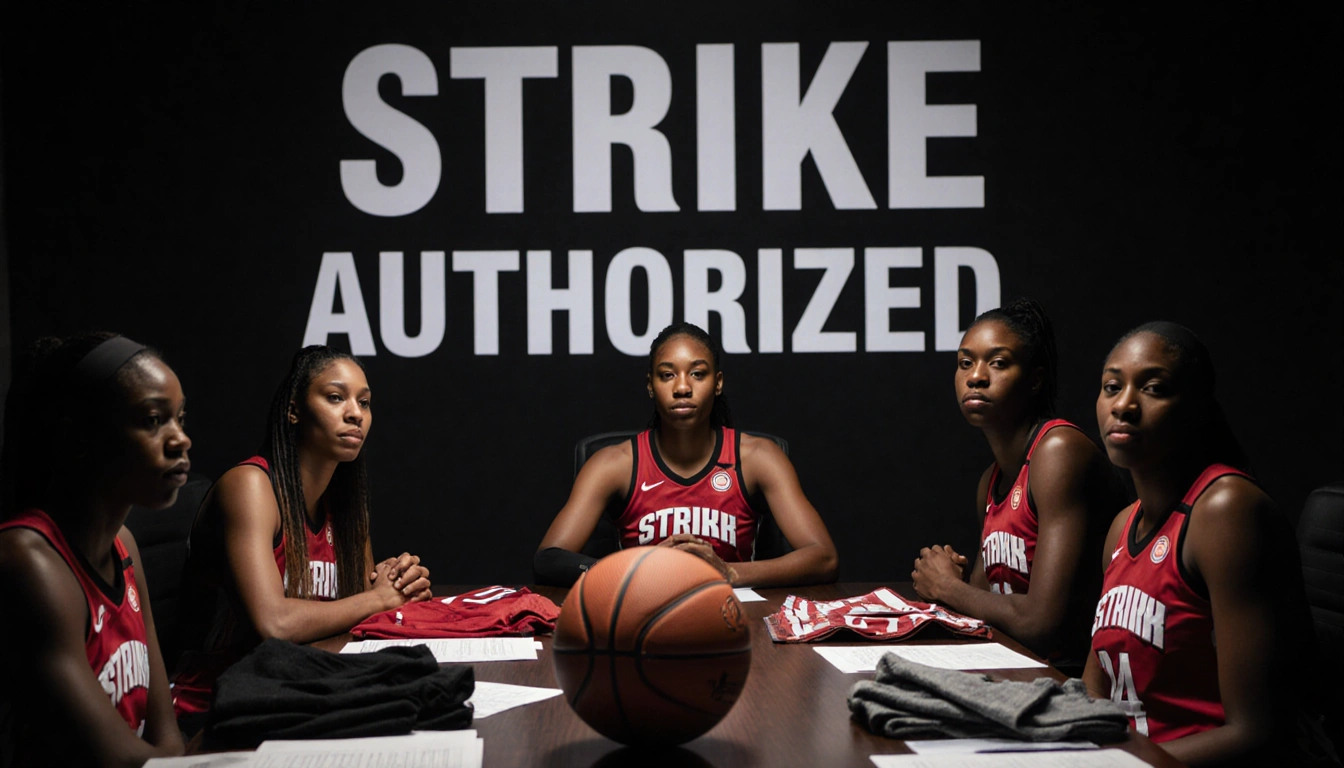

A tense new chapter in the WNBA’s labor saga began Thursday when the league’s players’ association announced that 98% of voting members approved a strike‑authorization vote.
Strike Authorization Signals Growing Friction
The vote came as the extended contract deadline of January 9 looms, a date the union has pushed to keep the current agreement in place while talks continue. The 98% approval rate does not mean players are on strike yet; it simply shows a supermajority is willing to withhold labor if negotiations stall.
The union’s statement on Thursday declared, “Let it be known. The players remain united, resolute, and prepared to fight for their value and their future,” underscoring the seriousness of the players’ stance.
Revenue Share and Salary Proposals
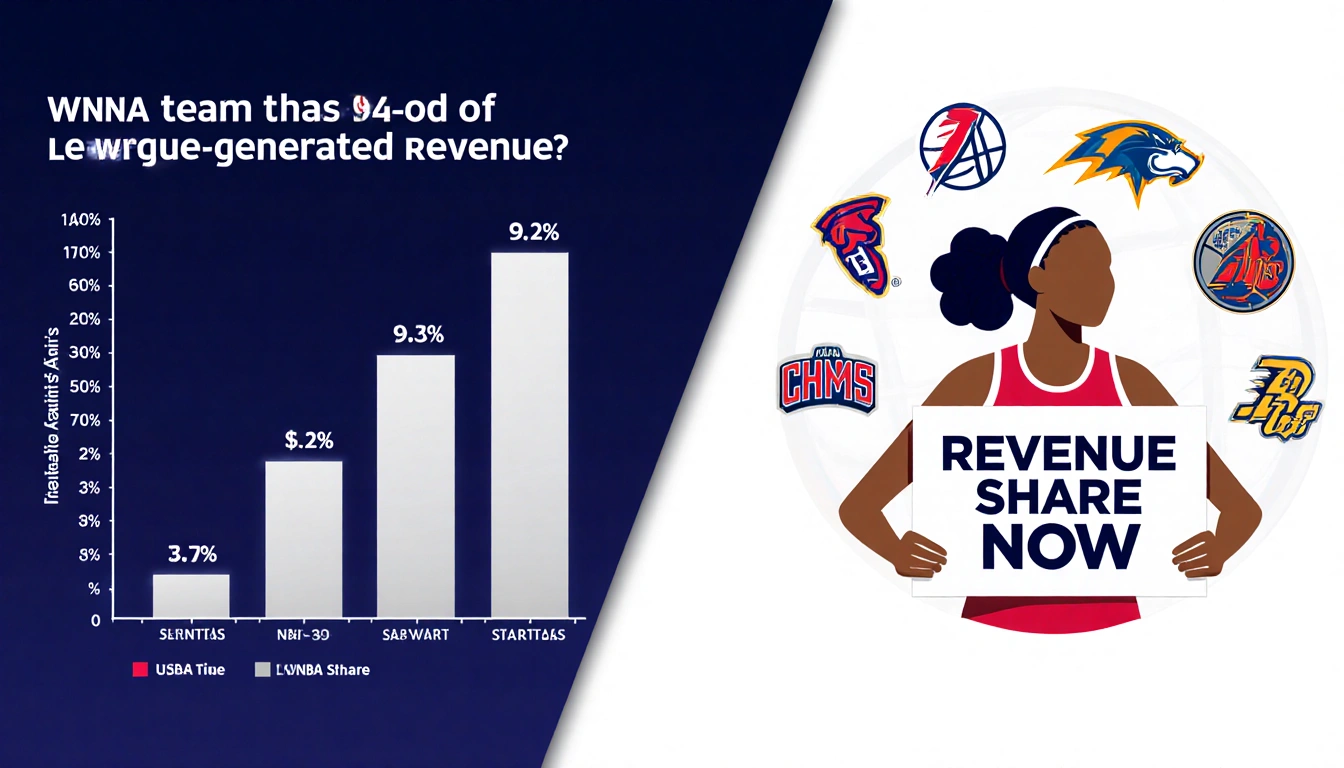
Central to the dispute is the players’ push for a revenue‑share model tied to league income. The WNBA’s current share sits at roughly 9.3% of league‑generated revenue, a figure that pales in comparison to the NBA’s 49‑51% share of basketball‑related income.
In an interview with NBC News’ “TODAY” on October 21, NBA Commissioner Adam Silver said, “I think you should look at it in absolute numbers in terms of what they’re making, and they are going to bet a big increase in this cycle of collective bargaining, and they deserve it,” while rejecting the word “share” as the right descriptor.
The WNBA has offered a proposal that would incorporate revenue sharing and allow a maximum salary of $1.1 million for more than one player per team, with the cap growing each year.
Union Demands Beyond Pay
Players are also demanding improvements to infrastructure and player welfare. These include upgrades to playing and practice facilities, enhanced player protection, codification of the charter‑flight program starting in 2024, and larger roster sizes.
Minnesota Lynx forward Napheesa Collier, a member of the union’s executive council, highlighted retirement and child‑care benefits as priorities. Collier said, “Obviously, there’s frustration in that both sides are trying to get what they want, but we still have that fire within us that we’re willing to do what it takes,” and added, “We’re going to do whatever it takes to get what we think we deserve.”
League’s Response and Negotiation Timeline
The league has extended the current contract through January 9, hoping to avoid a lockout in 2026. However, the extended deadline is a reminder that the negotiations have stalled for months.
The players’ new collective bargaining agreement was originally set to expire on October 31, but the extended deadline was intended to give both sides more time to reach a deal.
The union’s vote to authorize a strike reflects the players’ frustration with what they see as the league’s resistance to proposals that would grow with the league.
Player Voices and Public Sentiment
Indiana Fever guard Caitlin Clark described the talks as the “biggest moment in the history” of the WNBA. During a Team USA basketball camp last week, Clark said, “We’re going to fight for everything we deserve, but at the same time we need to play basketball. That’s what our fans crave,” adding, “You want the product on the floor. In the end of the day that’s how you’re marketable, that’s what the fans want to show up for.”
The union’s stance is mirrored by other players who emphasize the need to balance labor demands with the game’s public appeal.
Implications for Upcoming Drafts
The league’s expansion draft, scheduled for this month, may be delayed as talks continue. If negotiations stall further, it could also impact the regular 2026 draft expected in April.
The uncertainty surrounding the draft schedules adds another layer of urgency to the negotiations, as teams and players prepare for the next season.
Key Takeaways
- 98% of voting players approved a strike‑authorization vote, signaling strong union resolve.
- Players seek a revenue‑share model similar to the NBA’s, with a proposed $1.1 million salary cap that grows yearly.
- Union demands include facility upgrades, enhanced player protection, charter‑flight codification, and expanded rosters.
Closing Thoughts
The WNBA’s labor dispute has reached a critical point as players demonstrate unity and willingness to use strike leverage. The extended January 9 deadline offers a narrow window for both sides to find common ground before the 2026 season begins. The outcome will shape not only player compensation but also the league’s infrastructure and future growth trajectory.