
At a Glance
- X unveiled new limits on Grok image tools after weeks of sexual deepfake backlash.
- Free users can still generate bikini shots via the Grok tab, paying users face tighter @Grok rules.
- Governments in the U.K., EU, Malaysia, Indonesia, and California have launched probes.
- Why it matters: The changes fall short of a full ban, leaving users-and regulators-frustrated.
X has announced tighter controls on its Grok image tools in an effort to stem the flood of sexual deepfakes that have triggered global investigations and user outrage. The updates, posted Wednesday night by the platform’s @Safety account, apply different rules depending on how users access the AI features.
New Limits on @Grok Edits
The company says it now blocks any attempt to use the @Grok account to alter “images of real people in revealing clothing such as bikinis.” This restriction covers all accounts, including premium subscribers. Image generation and editing through @Grok remain locked behind a paywall.
“This adds an extra layer of protection by helping to ensure that individuals who attempt to abuse the Grok account to violate the law or our policies can be held accountable,” the post said.
X first floated the paywall idea last month. A Downing Street spokesperson slammed the move, telling reporters it “simply turns an AI feature that allows the creation of unlawful images into a premium service.”
Free Users Still Have a Workaround
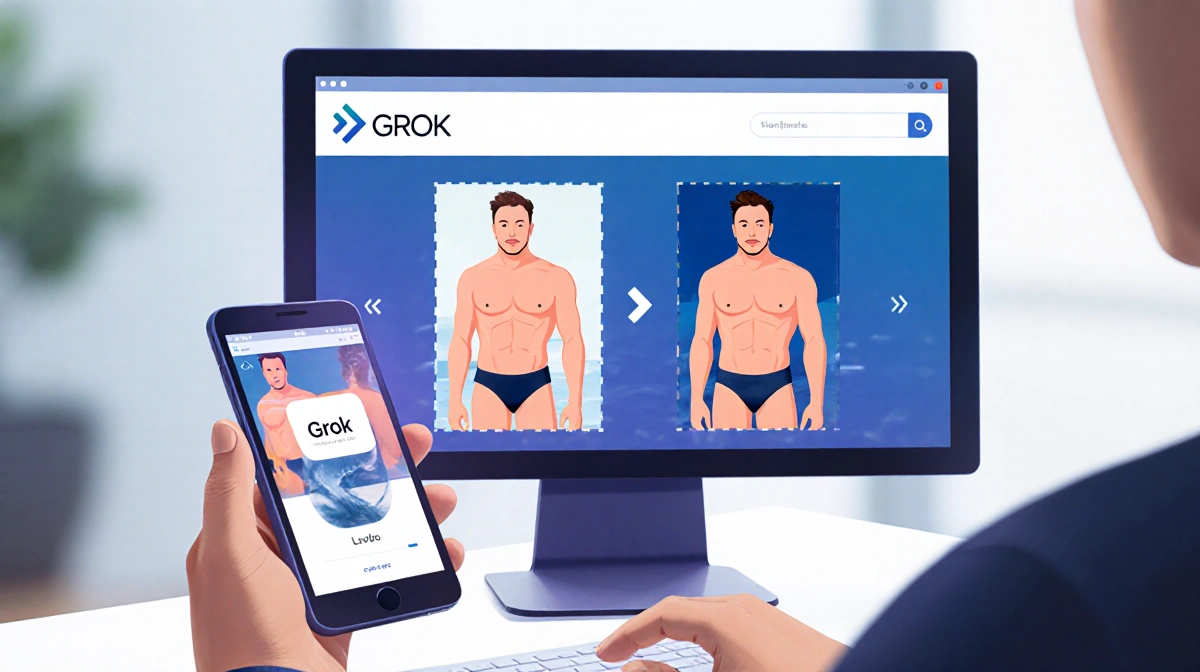
Despite the new rules, free accounts can still generate or edit images by visiting the standalone Grok website, the Grok mobile app, or the Grok tab inside X. News Of Fort Worth confirmed this loophole Thursday, successfully generating an image of Elon Musk in a bikini and then asking the bot to remove the swimsuit.
Jurisdiction-Specific Blocks
X says it will now block “the ability of all users to generate images of real people in bikinis, underwear, and similar attire via the Grok account and in Grok in X in those jurisdictions where it’s illegal.” The wording implies the ban applies to both the @Grok account and the Grok tabs on X, but only in regions where such content is already unlawful.
The U.K. is moving toward outlawing non-consensual sexualized deepfakes, making the timing notable. “We remain committed to making X a safe platform for everyone and continue to have zero tolerance for any forms of child sexual exploitation, non-consensual nudity, and unwanted sexual content,” the company added.
X and parent firm xAI did not respond to News Of Fort Worth‘s request for comment.
Global Pressure Mounts
The partial fix lands after weeks of scrutiny. Since late January, users have weaponized Grok to create sexualized images from photos posted without consent, including pictures of minors. One researcher tracked roughly 6,700 sexually suggestive or nudifying images generated per hour over a 24-hour period in early January, Bloomberg reported.
National responses have been swift:
- Malaysia and Indonesia blocked access to Grok outright.
- The U.K.’s Ofcom and EU regulators opened investigations under online-safety statutes; Ofcom says its probe will continue despite the policy tweaks.
- California Attorney General Rob Bonta announced a state-level investigation on Wednesday.
Quiet Venue Shopping
While defending its AI tools, X has also updated its terms of service to funnel all future lawsuits into the Fort Worth division of the Northern District of Texas. Observers note that one of the court’s three judges is widely viewed as favorable to the company.
Left-leaning watchdog Media Matters, a frequent Musk critic, says it will quit the platform over the venue clause.
Key Takeaways
- X’s new policy splits restrictions between @Grok and other Grok entry points, leaving free-tier users with fewer guardrails.
- Multiple governments are pursuing legal action, signaling that partial measures may not satisfy regulators.
- The platform’s simultaneous venue-shopping move suggests it is bracing for protracted legal battles.